
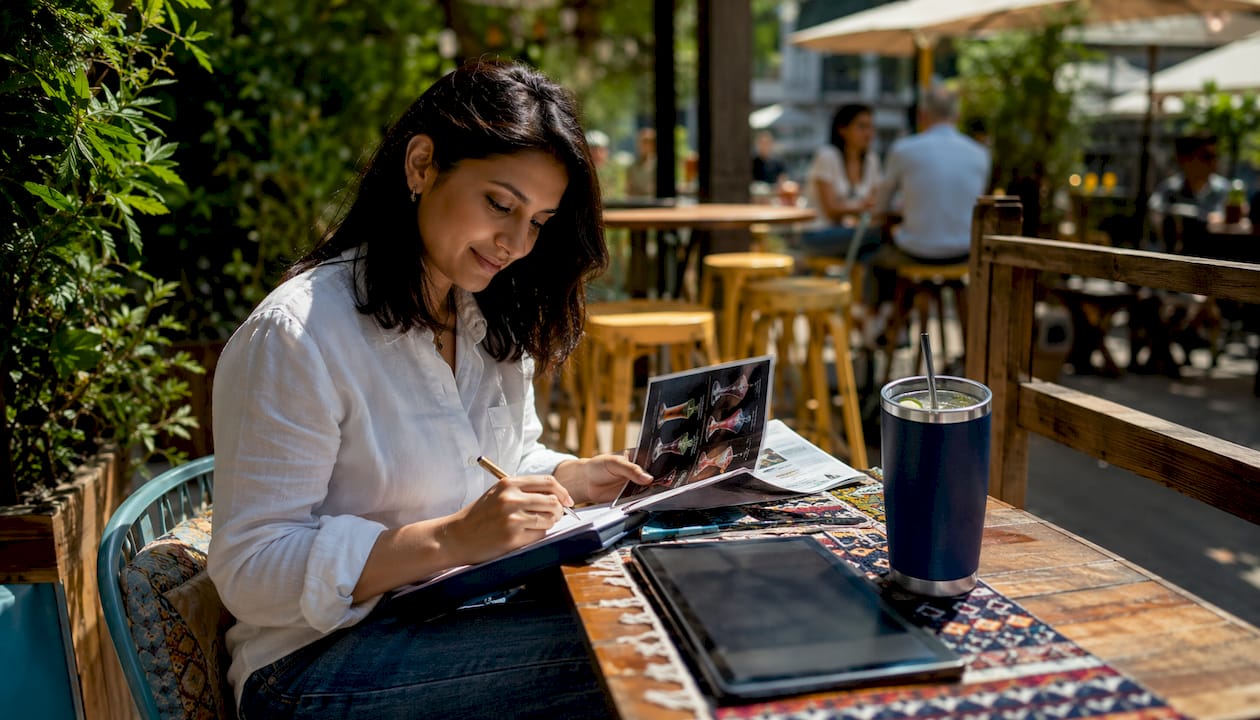
Drinks go viral because they deliver something people want to show off, not just drink. Visual appeal, customization, and emotional triggers like FOMO and aspiration combine to make a beverage shareable before it even reaches someone’s lips. Platforms like TikTok and Instagram do the rest. Here is what actually drives that momentum, and how you can use it.
The core mechanics behind viral drink trends come down to a few repeating patterns:
- Visual first. Over half of consumers cite striking visuals and colour combinations as the top reason a drink goes viral, outranking flavour, health claims, and influencer involvement.
- Customization as identity. Dirty soda became a national phenomenon because every order is personal. Searches for dirty soda on Yelp surged over 600% in a single year.
- Platform roles are distinct. TikTok incubates experiments; Instagram Reels is where mass discovery actually happens.
- Emotion drives action. Aspiration, novelty, and FOMO override rational decision-making in the moment of discovery.
- Restaurants close the loop. 70% of consumers prefer to order a viral drink at a restaurant rather than make it at home, a 17.8x gap that makes foodservice the real conversion channel.
What factors drive drinks to become viral sensations?
Consumer psychology sits at the centre of every viral beverage trend. UNSW Business School consumer psychologist Professor Nitika Garg identified three forces that consistently override rational taste preference: aspiration, novelty, and fear of missing out. When an influencer orders a visually striking drink, followers do not weigh the ingredients. They feel the pull.
Visual design is not decoration. Layers, colour gradients, cold foam, and crystal boba are product elements now, not finishing touches. A transparent cup showing a perfectly layered matcha drink generates more brand reach than most paid campaigns.
Beyond aesthetics, several specific forces shape which drinks catch fire:
- Adventurous accessibility. Trends like pickle juice cocktails and Tajín-topped drinks combine comfort with bold, unexpected flavours, letting consumers signal cultural belonging through what they order.
- Gen Z’s “little treat” culture. Younger consumers treat premium non-alcoholic drinks as social currency, the same way an earlier generation treated craft cocktails. The drink signals identity, not just thirst.
- User-generated content as fuel. When consumers document, share, and replicate a drink, each post becomes a free impression. The trend compounds without a media budget.
- Functional positioning as baseline. Stress relief, hydration, and clean energy are now expected in viral formats, not differentiators. A drink that looks good and does something useful has a structural advantage.
How do you actually create and market a drink that goes viral?
Strategy matters as much as the drink itself. The brands and bars that consistently produce viral moments follow a recognizable playbook.
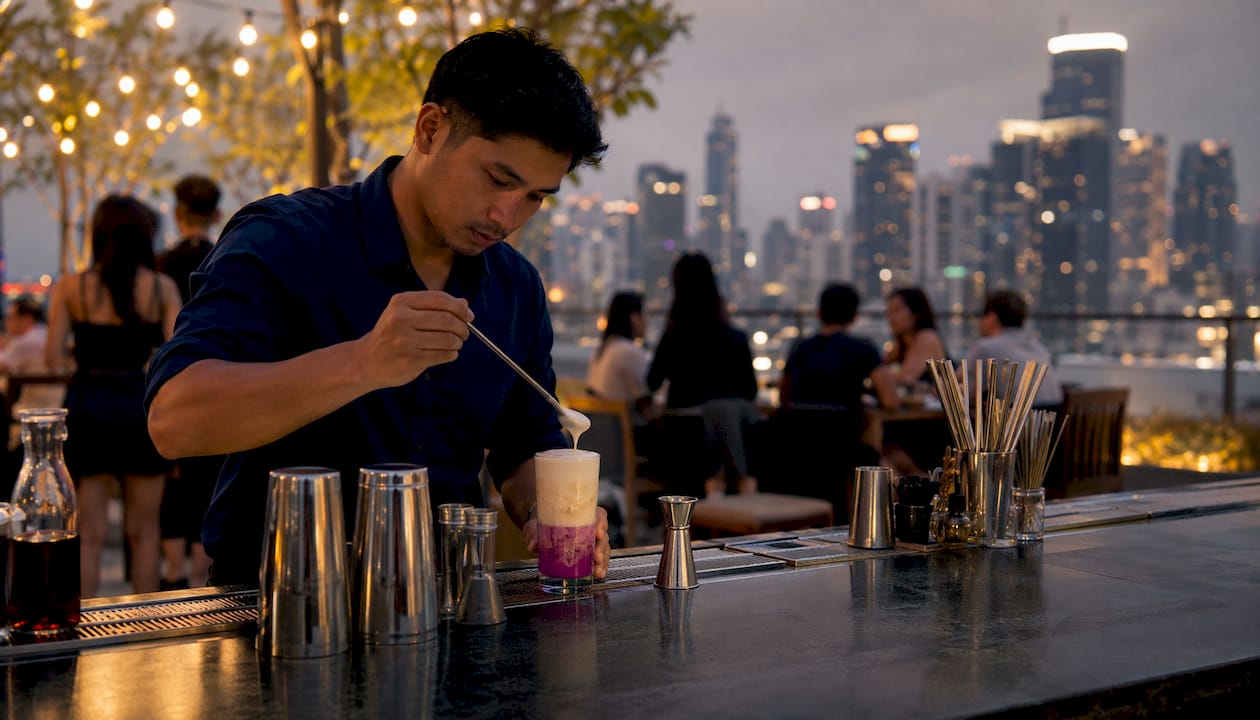
Design for the camera first. Every drink that gets filmed and posted is a free impression. Cold foam, deliberate layering, and colour-shifting ingredients are not aesthetic extras. They are the product. Korean café culture has pushed this further than most Western menus, with experiential design treating the assembly moment itself as content. The pour, the layer, the reveal: all of it is shareable if you build it that way. Pairing this approach with coffee trend thinking shows how ritual and presentation can turn a simple beverage into a repeatable cultural moment.
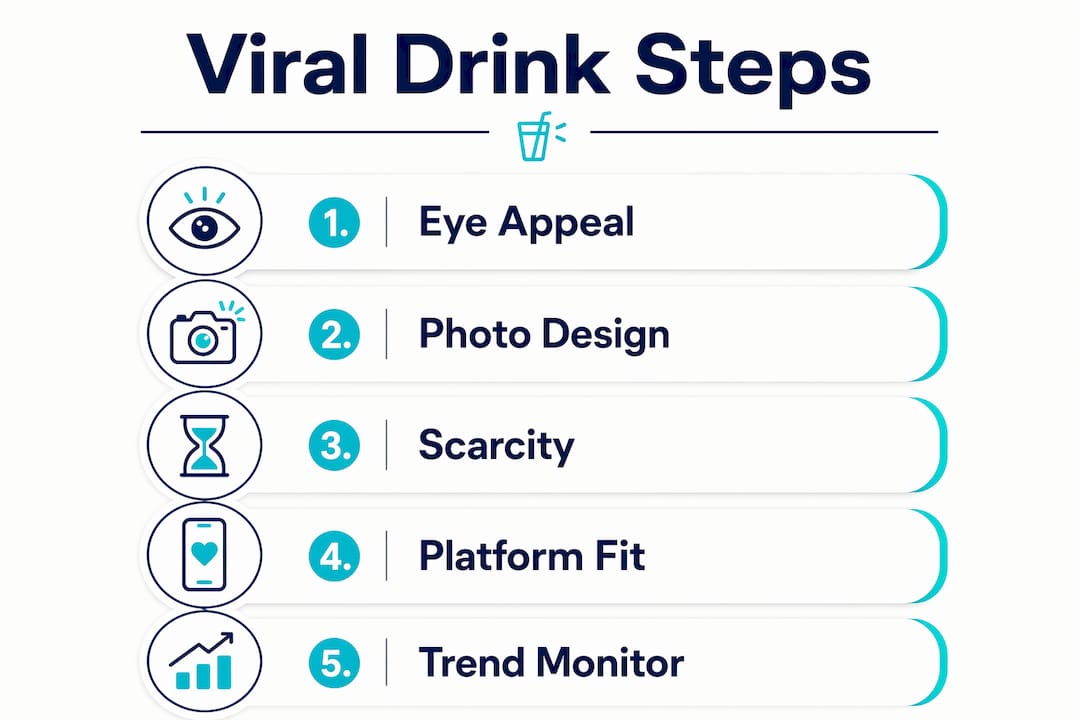
Use the flavour-drop formula. Limited-time, single-serving releases create scarcity and FOMO simultaneously. Starbucks and Taco Bell have turned this into a repeatable engine: launch a novel flavour at a premium price, let the novelty drive foot traffic and social documentation, then replace it weeks later with the next thing. The drink does not need to become a favourite. It needs to be tried once and posted.
Build customization into the experience. Dirty soda’s viral run was not about the soda. It was about the fact that every customer’s order was different, and therefore worth showing. Bars and brands that offer meaningful customization, whether through syrups, add-ins, or build-your-own formats, give consumers a reason to document and share. Customization also extends the trend’s life, since new combinations keep appearing in feeds long after the original launch. For ideas on fun drinks for gatherings, the principle holds: give people something to personalize and they will do your marketing for you.
Choose influencer partners with precision. Organic viral content follows no script, but formal influencer partnerships allow more careful positioning. The credibility gap between a brand partnership and a spontaneous creator post is real, but the reach advantage of a well-matched creator is also real. Micro-influencers with tight, engaged audiences in food and beverage often outperform broad celebrity placements for actual conversion.
- Identify TikTok as your testing ground. Post experimental formats, unusual flavour combinations, and behind-the-scenes assembly content there first.
- Scale winners to Instagram Reels. Once a format shows traction on TikTok, invest in polished Reels content to reach mass discovery audiences.
- Track search signals, not just likes. Yelp search surges, Google Trends spikes, and menu adoption rates tell you when a social trend is converting into real demand.
Pro Tip: Monitor Yelp search trends and Google Trends weekly for your key flavour categories. A search spike often precedes a social media peak by two to three weeks, giving you a window to position before the crowd arrives.
Canadian market insights and what they mean for viral drinks in 2026
Canada’s beverage market has its own texture. Regional identity matters here in ways that pure trend-chasing misses. Quebec consumers respond to flavour profiles rooted in French culinary tradition; British Columbia’s wellness culture drives demand for functional, clean-label formats; Prairie markets show strong attachment to familiar flavours remixed with novelty. A drink that goes viral nationally in Canada usually threads all three.
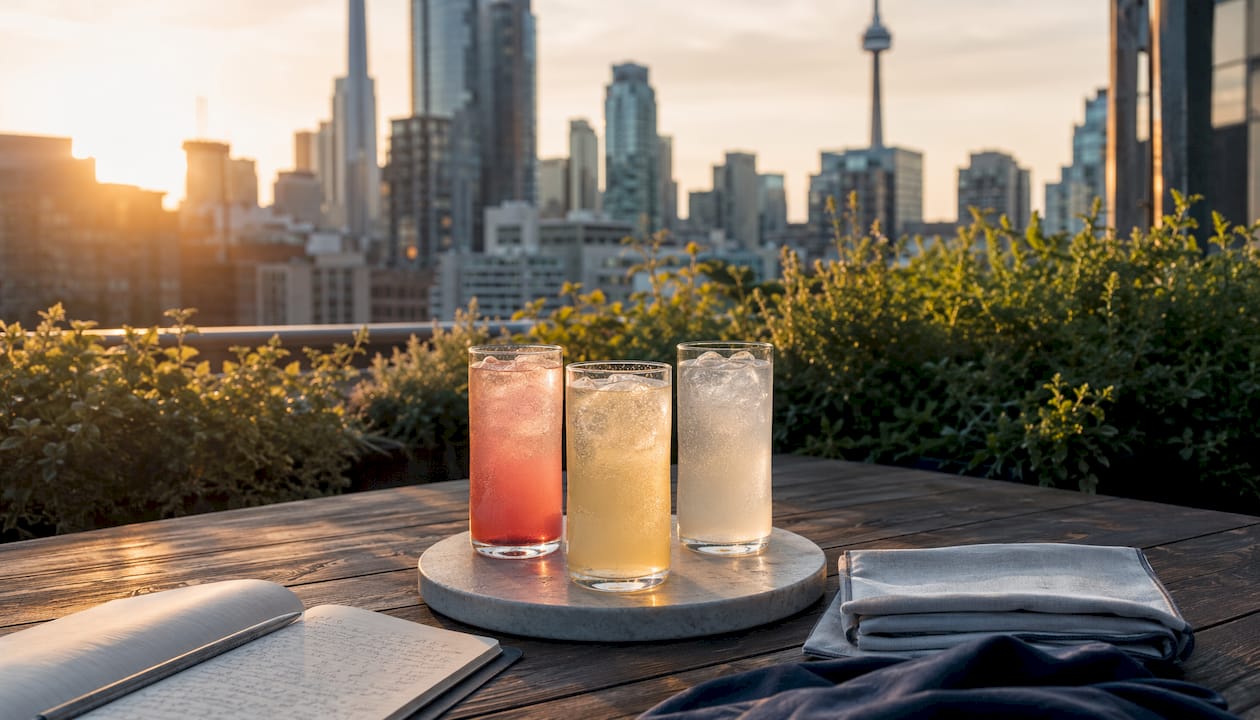
The functional sparkling beverage category is growing faster in Canada than traditional soda, driven by health-conscious younger consumers who want flavour without the sugar load. This is exactly the space Drinksolidviibe occupies. Natural ingredients like lemon-ginger and passionfruit carry both the visual brightness and the wellness story that Canadian consumers increasingly expect from a premium drink. The natural ingredients advantage is not just a health claim; it is a shareable narrative that fits the “better-for-you” framing driving Gen Z and millennial purchase decisions across the country.
Canadian bar owners and beverage marketers should pay attention to the craft beer crossover happening in cities like Vancouver, Toronto, and Montreal, where bold, unexpected flavour pairings are moving from beer menus into the broader beverage category. Craft beverage innovation in adjacent categories signals where mainstream consumer appetite is heading next.
The viral mechanics that work globally, visual appeal, customization, emotional resonance, and platform-native content, apply in Canada with one addition: authenticity to local identity. Drinks that feel genuinely Canadian, whether through local ingredients, regional flavour references, or wellness values that align with Canadian health culture, earn a loyalty that purely imported trends rarely sustain.
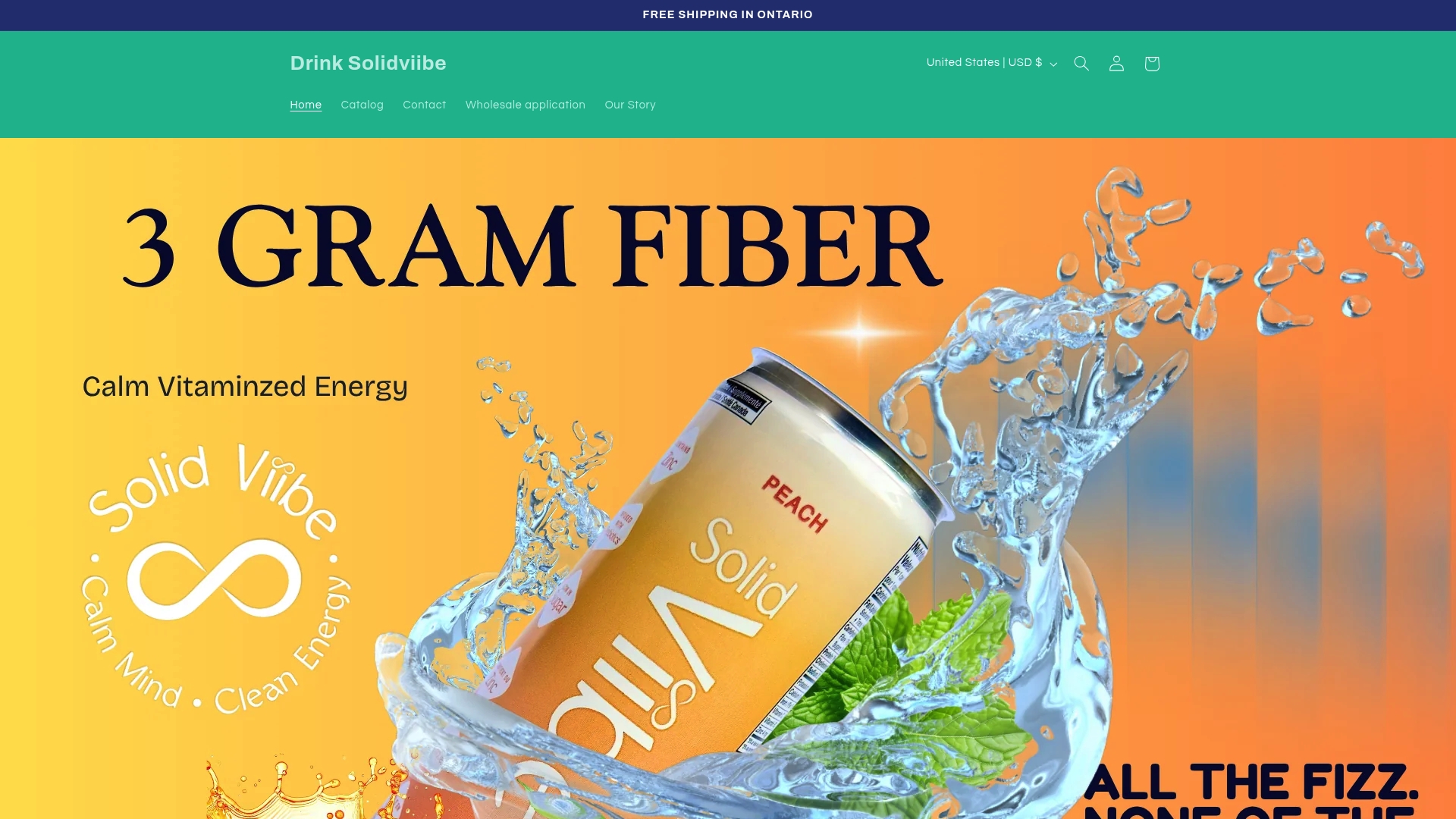
Drinksolidviibe’s sparkling beverages sit at the intersection of these forces: visually clean, functionally positioned, and built around natural ingredients that carry a story worth sharing. For bar owners looking to add a viral-ready non-alcoholic option, or for marketers building content around the wellness drink category, the Solidviibe variety pack offers lemon-ginger, peach, and passionfruit formats that photograph well and carry the functional narrative consumers are actively seeking.
Key takeaways
Drinks go viral when visual appeal, emotional triggers, and platform-native content align with a customizable, shareable experience that consumers want to document and share.
| Point | Details |
|---|---|
| Visuals outrank flavour | Over half of consumers cite striking visuals as the top factor in beverage virality, above taste or health claims. |
| Customization drives sharing | Dirty soda searches on Yelp surged over 600% in one year, powered by the personalization each order allows. |
| Platforms serve different roles | TikTok tests and experiments; Instagram Reels scales winning formats to mass discovery audiences. |
| Restaurants convert digital interest | 70% of consumers prefer to order a viral drink at a restaurant, making foodservice the critical real-world channel. |
| Canadian context adds authenticity | Functional, natural sparkling beverages aligned with local wellness values earn loyalty that imported trends rarely sustain. |