
7 Clinically Backed Low Glycemic Drinks for Steadier Blood Sugar

Water, unsweetened coffee and tea, plain sparkling water, and plain milk or kefir in reasonable portions top the list of low glycemic drinks. Each has a glycemic index near zero or produces only a mild, slow rise in blood glucose. Individual response still varies, so portion size and hidden added sugars matter more than the label. If you’re managing diabetes, run new choices past your care team before making them a daily habit.
TL;DR:
- Drinking plain water, unsweetened coffee, or tea remains the safest choice for blood sugar stability due to their near-zero glycemic index.
- Fermented dairy like kefir and small portions of vegetable juice offer modest benefits and are less likely to cause spikes compared to high-sugar beverages.
- Sugar-sweetened sodas, energy drinks, and most fruit juices cause rapid blood sugar increases because they lack fiber and contain high sugar levels.
- Artificial sweeteners reduce GI but may influence appetite and taste preferences, so use them cautiously as temporary substitutes.
- Portion control, timing with meals, and label reading are essential strategies to avoid hidden sugars and maintain stable blood glucose over time.
Table of Contents
- Best low glycemic drinks and how much to pour
- Drinks that spike blood sugar fast
- How drinks move your blood sugar and A1C over time
- Reading labels and counting carbs without losing your mind
- Low glycemic index natural juices and smoothies
- Do artificial sweeteners in drinks actually help blood sugar?
- Homemade low glycemic drinks worth making
- Comparing popular commercial low glycemic drinks
- When to drink what: timing for steadier blood sugar
- Why the “low glycemic” label doesn’t tell you everything
- Try a low-sugar sparkling tonic as your soda swap
- Sources
Best low glycemic drinks and how much to pour
Not every drink that claims to be “healthy” earns a spot on this list. These have evidence behind them, and each comes with a serving note worth remembering.
- Water. Plain water has a glycemic index of zero and no carbohydrate to count. It also helps your kidneys clear excess glucose, which matters because dehydration concentrates blood sugar and can make numbers creep up for no obvious reason.
- Black coffee. Unsweetened coffee carries almost no carbs, and population research connects regular coffee drinking with a lower risk of type 2 diabetes, though results across trials are mixed on long-term glycemic markers. The catch is the drink itself, not the coffee. A syrup-loaded latte defeats the purpose fast.
- Green, black, and herbal teas, unsweetened. Green tea’s catechins, particularly EGCG, show up in a review linking modest fasting glucose reductions to regular intake, though the effect size is small and varies by person.
- Milk and kefir. Cow’s milk still has carbohydrate, roughly 12 grams per cup, so it needs to be counted like any other carb source. But its protein and fat slow how fast that sugar hits your bloodstream. Kefir goes a step further: small studies and meta-analyses summarized by ZOE point to modest fasting glucose reductions tied to fermented dairy.
- Unsweetened milk alternatives. Unsweetened almond, soy, or pea milk can work as swaps, but check the label carefully. Some “original” versions still carry 6 to 8 grams of added sugar per cup.
- Plain sparkling water. Carbonation with no sugar behaves the same as still water metabolically. It just feels more like a treat.
- Small portions of tomato or vegetable juice. Vegetable juices tend to hit the bloodstream more gently than fruit juice because they carry far less sugar per cup, but sodium adds up fast, so a small glass, not a tall one, is the smart move.
Statistic to remember: Water’s glycemic index sits at zero, the baseline every other drink on this list gets measured against.
Drinks that spike blood sugar fast
Some beverages work against blood sugar control almost immediately, and a few of them are disguised as “healthy.”
- Sugar-sweetened soda and energy drinks. These deliver glucose almost as fast as an IV drip because there’s no fiber or fat to slow absorption. Long-term, population studies tie sugar-sweetened beverage intake to worse outcomes in people already living with type 2 diabetes.
- Most fruit juice and smoothies. Juicing strips out the fiber that would normally slow sugar absorption, so a cup of orange juice can spike glucose faster than eating the same oranges whole. Smoothies with multiple fruits stack that effect.
- Sweetened specialty coffees and teas. Flavoured syrups, whipped toppings, and “sweet cream” additions can push a single drink past 40 grams of sugar without the cup ever looking like dessert.
- Sweet cocktails and mixers. Alcohol on its own can actually lower blood sugar temporarily, but sugary mixers combine a glucose spike with alcohol’s tendency to interfere with normal glucose regulation, which is a rough combination for anyone managing diabetes.
Simple swap: black coffee over a caramel macchiato, sparkling water with citrus over a rum and cola.
How drinks move your blood sugar and A1C over time
Liquids digest faster than solids, which means a sugary drink often raises post-meal glucose more sharply than the same sugar eaten as food. Protein and fat blunt that spike by slowing gastric emptying and triggering an earlier insulin response, which is exactly why plain milk behaves differently than juice despite both containing carbohydrate.
Hydration plays a bigger role than most people realize. The CDC notes that dehydration can concentrate blood glucose, making control harder even when nothing else in your routine has changed. Drinking enough water supports the kidneys’ ability to clear excess glucose through urine, a mechanism that’s easy to overlook next to diet and medication.
The research on specific beverages backs this up at a population level. Green tea’s catechins are linked to small fasting glucose reductions in a systematic review, kefir shows similar modest effects in fermented-dairy studies, and sugar-sweetened beverages consistently associate with worse long-term outcomes across large population datasets. None of these effects are dramatic on their own. Stacked together over months, they show up on an A1C test.
Key figure: Sugar-sweetened beverages are linked to a higher risk of complications and premature death among people already living with type 2 diabetes, according to Harvard’s population research.
Reading labels and counting carbs without losing your mind
Getting good at this takes a system, not willpower. Here’s the sequence that actually works.
- Check total carbs per serving first, not just “sugars.” A drink can be sugar-free and still carry carbohydrate from other sources.
- Scan for added sugars specifically. The ingredient list order matters. If sugar, corn syrup, or juice concentrate appears in the first three ingredients, treat it as a dessert, not a beverage.
- Watch sodium on vegetable juices. A “healthy” tomato juice can carry more sodium than a bag of chips.
- Flavour without sugar. Fruit-infused water, sparkling water with a squeeze of citrus, or a cinnamon stick steeped in tea all add flavour without moving the needle on glucose. Solidviibe’s guide to flavoured water versus juice covers a few combinations worth trying.
- Pair, don’t isolate. A carb-heavy drink consumed alongside protein or fat, like milk with a meal instead of on its own, blunts the glucose response.
- Cut sweetness gradually. Dropping from regular soda straight to plain water rarely sticks. Step down through less-sweet options first.
Pro Tip: Keep a half-strength habit for two weeks before going fully unsweetened. Your taste buds recalibrate faster than most people expect, usually within 10 to 14 days.
Low glycemic index natural juices and smoothies
Juice and smoothies aren’t automatically off the table, but portion and ingredient choice decide whether they behave like a low-GI drink or a sugar bomb. Vegetable-forward juices, think cucumber, celery, and a small amount of green apple, carry far less sugar than fruit-dominant blends and tend to produce a gentler glucose response.
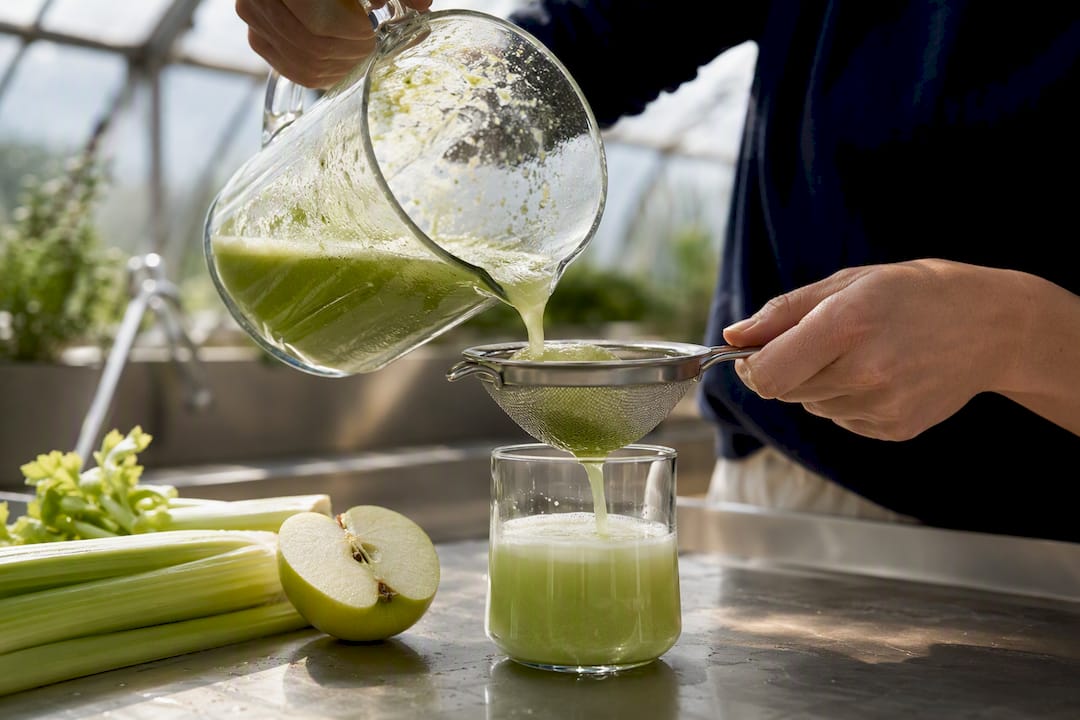
Whole-fruit smoothies that keep the fiber intact behave better than juice because fiber slows sugar absorption, but the effect disappears once you add multiple high-sugar fruits or fruit juice as a base. A smoothie built on unsweetened milk or kefir, a handful of berries, and a scoop of nut butter tends to sit lower on the glycemic scale than one built on mango and pineapple juice. Portion size matters as much as ingredients: a 4 ounce pour behaves very differently than a 16 ounce “meal replacement” version. If you’re building your own, aim for vegetables or low-sugar fruit as the base, add fat or protein, and skip the added juice concentrate that sneaks into a lot of store-bought blends.
Do artificial sweeteners in drinks actually help blood sugar?
Diet soda and sugar-free flavoured waters don’t spike glucose the way their sugary counterparts do, since non-nutritive sweeteners don’t carry the same carbohydrate load. That’s the good news. The more complicated part is that a low-GI label achieved through artificial sweeteners doesn’t automatically translate into better metabolic health, and some guidance urges checking the full ingredient list rather than relying on GI alone.
Some research suggests heavy reliance on intense sweeteners may affect appetite signalling and taste preference over time, nudging people toward wanting sweeter foods generally. That’s a behavioural concern more than a direct blood-sugar one, but it’s worth factoring in in if you’re trying to retrain your palate away from sweetness altogether rather than just swapping one sweet taste for another. The practical takeaway: artificial sweeteners aren’t the enemy, but they’re not a free pass either. Using them as a bridge while you reduce overall sweetness works better than leaning on them indefinitely.
Homemade low glycemic drinks worth making
A few simple combinations cover most cravings without added sugar.
- Citrus sparkling water: plain sparkling water, a squeeze of lemon or lime, and a few mint leaves.
- Cold-brew iced tea: unsweetened green or black tea steeped overnight, served over ice with a cinnamon stick.
- Berry infusion: still or sparkling water with muddled raspberries or strawberries, no sugar needed since the fruit itself provides enough flavour in small amounts.
- Golden milk: unsweetened milk or a milk alternative warmed with turmeric, ginger, and a pinch of black pepper.
- Savoury tomato cooler: small glass of low-sodium tomato juice with a dash of hot sauce and celery salt.
For more structured ideas, Solidviibe’s low-sugar mocktail recipes and afternoon pick-me-up drink guide both build on these same principles: real flavour, no sugar crash afterward.
Comparing popular commercial low glycemic drinks
Commercial options vary widely even within the “low sugar” category, so it pays to compare more than the front-of-package claim.
The gap between brands inside the same category can be bigger than the gap between categories, so reading labels product by product still beats trusting a shelf tag. A low-sugar sparkling tonic that uses natural flavouring extracts instead of fruit juice concentrate, for instance, can land at the low end of that carb range while still tasting like a treat instead of penance.
When to drink what: timing for steadier blood sugar
Morning matters more than most people think. A glass of water before coffee helps offset the mild dehydration from overnight sleep, and drinking it before rather than during a carb-heavy breakfast gives your kidneys a head start on glucose clearance.
Pairing timing with meals changes outcomes too. Milk or kefir consumed alongside a meal, rather than on an empty stomach, blunts the glucose response because the surrounding food slows absorption further. The reverse is true for anything sugary: a fruit juice on an empty stomach spikes faster than the same juice consumed with breakfast.
Afternoons are where most people slip. A 3 p.m. energy drink or sweetened coffee often reflects fatigue, not thirst or hunger, and it tends to spike glucose right when insulin sensitivity is naturally a little lower for many people. Solidviibe’s guide to morning drink prep covers ways to build a routine that avoids that afternoon scramble entirely, and swapping in a flavoured sparkling water instead of soda around that time keeps the habit satisfying without the sugar hit. Evening is the one window where even usually-fine drinks deserve a second look: caffeine late in the day disrupts sleep, and poor sleep itself is linked to worse next-day glucose control.
Why the “low glycemic” label doesn’t tell you everything
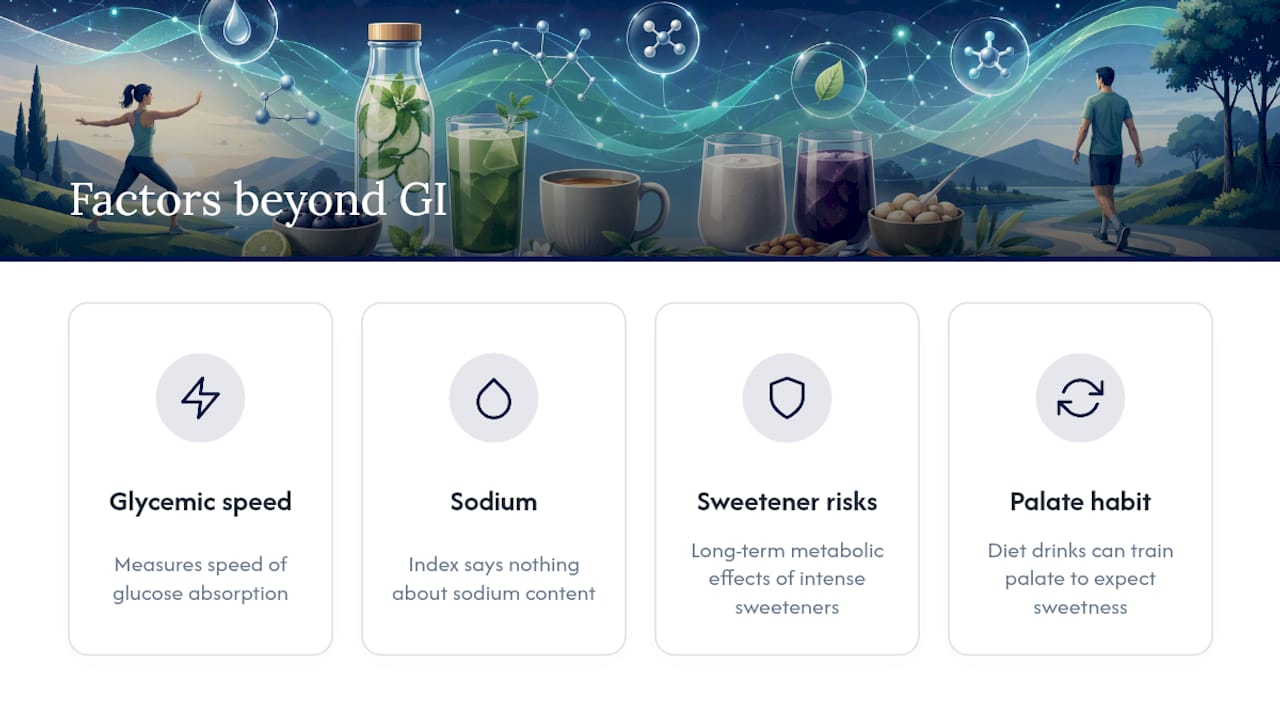
Most advice about low glycemic drinks stops at the glycemic index number and calls it a day. That’s a mistake. A drink can technically score low on the GI scale because it’s loaded with fat or artificial sweeteners, not because it’s actually good for you. The index measures speed of glucose absorption. It says nothing about sodium, about long-term metabolic effects of intense sweeteners, or about whether a “diet” version is quietly training your palate to expect sweetness at every meal.
What actually works, based on the research summarized throughout this piece, is a lot less exciting than a miracle ingredient: mostly water, unsweetened coffee and tea, and portion-controlled dairy or fermented dairy, with the occasional flavoured or fizzy drink used deliberately rather than habitually. The swap from soda to water or a low-sugar alternative shows up in population studies as one of the more reliable levers people actually stick with, probably because it doesn’t require constant willpower once the habit sets.
At Solidviibe, the sparkling tonics are built around that same logic. Low sugar, real flavour from ingredients like lemon, ginger, and passionfruit, and enough fizz and taste to make the swap from soda feel like an upgrade instead of a sacrifice. That’s not a replacement for the fundamentals covered above. It’s a tool for the moments when plain water isn’t going to cut it, and reaching for a can of regular soda would.
This article offers educational information, not personalized medical advice. Anyone adjusting their diet to manage diabetes should talk to their care team first.
— Sharon
Try a low-sugar sparkling tonic as your soda swap
If you’ve made it this far, you already know the short list: water, unsweetened tea and coffee, and careful portions of dairy. The gap most people hit is the craving for something with more flavour and fizz than plain water offers, especially in the afternoon or with dinner. That’s the specific gap Solidviibe’s sparkling tonics are built to fill.
Each can uses natural ingredients and low sugar, with flavours like lemon-ginger and passionfruit standing in for the syrupy sweetness of regular soda without the glucose spike that comes with it. Try one chilled on its own after a meal, or use it as a mixer base instead of a sugary soda the next time you’re making a mocktail. A single can in the afternoon, in place of a sweetened coffee drink or energy drink, is an easy place to start. You can browse the full lineup and order a variety pack to find the flavour that fits your routine best.
Sources
The guidance above draws on clinical and public health sources rather than general wellness blogs. The Mayo Clinic’s overview of the low glycemic index diet explains GI scoring and water’s role. The CDC’s blood sugar and hydration spotlight covers dehydration’s effect on glucose concentration. A systematic review on PMC details green tea’s catechin research, while Harvard’s public health reporting and ZOE’s beverage guide round out the evidence on sugary drinks and fermented dairy, respectively.
This article is general information, not a substitute for advice from a qualified doctor. Consult a qualified healthcare professional about your own circumstances before acting on anything here.
- Mayo Clinic — low glycemic index diet
- NCBI PMC — review of green tea and glycaemic markers
- Harvard T.H. Chan School of Public Health — SSBs and risk in type 2 diabetes
- ZOE — which drinks lower blood sugar (summary)


