
Sparkling Water Isn't the Problem: Cola Ingredients Harm Bone Health

Plain, unsweetened sparkling water is not associated with weaker bones or higher osteoporosis risk. The concern belongs to cola and sugary, caffeinated soft drinks, not carbonation itself. Researchers who’ve dug into this find no meaningful link between fizzy water and bone mineral density once they account for diet and exercise. The real advice: keep your calcium and vitamin D intake steady, and save your worry for the soda aisle.
TL;DR:
- Sparkling water without added sugar or acids has no proven effect on reducing bone mineral density or increasing osteoporosis risk.
- Research shows no significant difference in bone health between regular carbonation and non-carbonated water, but cola consumption may be linked to lower hip bone density due to additives and displacement of calcium-rich drinks.
- Cola’s potential harm relates to phosphoric acid, caffeine, and sugar, not carbonation itself, which has no known pathway to impact calcium in bones.
- Choosing plain or naturally mineralized sparkling water and checking labels for sodium, acids, and added ingredients is key to minimizing any bone health concerns.
- High-risk individuals should consult healthcare professionals and emphasize calcium, vitamin D, weight-bearing exercise, and screening over worrying about carbonation levels.
Table of Contents
- What the sparkling water bone health research actually shows
- Why carbonation doesn’t damage your bones the way cola might
- How to choose sparkling water without worrying about your bones
- Where Drinksolidviibe fits into the bone health conversation
- The conventional wisdom on fizzy drinks and bones is outdated
- Try a sparkling tonic that skips the bone health guesswork entirely
- Sources
- FAQ
What the sparkling water bone health research actually shows
The strongest evidence on sparkling water bone health comes from two very different kinds of studies, and they point the same direction.
The Rancho Bernardo Study followed a large cohort of women aged 44 to 98, measuring bone mineral density at four skeletal sites. After adjusting for age, calcium intake, and exercise habits, researchers found no association between modest carbonated beverage consumption and lower BMD. That’s a large observational dataset, and it’s the closest thing bone researchers have to a real-world stress test for carbonated drinks in general.
Separately, cohort work tied to the Framingham Osteoporosis Study found something narrower: regular cola drinkers, specifically, showed lower hip BMD. Not carbonated water. Not seltzer. Cola. The Harvard Health team that reviewed this research points to caffeine, phosphorus content, and the simple fact that cola often replaces milk in someone’s diet as the likely drivers.
Then there’s the experimental side, which matters more than most people realize. A randomized crossover trial published in the British Journal of Nutrition gave healthy postmenopausal women a full litre of sodium-rich carbonated mineral water daily for eight weeks, then measured actual bone remodelling markers, PINP and beta-CTX, that reflect bone building and breakdown in real time. No changes turned up compared to the control period.
Two caveats worth flagging:
- The Rancho Bernardo data is observational, meaning it can show association but not prove cause, and self-reported diet always carries some noise.
- The mineral water trial ran eight weeks, which rules out short-term disruption but can’t speak to what forty years of daily consumption might do.
Put together, though, this is a reasonably solid evidence base. One large cohort found nothing. One controlled trial found nothing. The only consistent signal points at cola.
Why carbonation doesn’t damage your bones the way cola might
Carbonation is just dissolved carbon dioxide, which forms a weak carbonic acid when it hits water. That’s what creates the fizz and the slight tang. It’s mild, it passes through your digestive system without lingering, and it has no known pathway for pulling calcium out of bone tissue.
Cola is a completely different chemical situation. It typically contains phosphoric acid, sugar, and caffeine, three ingredients with plausible, if still debated, effects on bone metabolism:
- Phosphoric acid can shift calcium and phosphorus balance if intake is heavy and sustained.
- Caffeine has a mild diuretic effect that may modestly increase calcium loss through urine.
- Sugar-sweetened cola frequently displaces milk or other calcium-rich beverages in someone’s daily intake, which may matter more than the cola itself.
That last point is the one nutrition researchers keep circling back to. It’s not that cola actively leaches calcium from your skeleton in some dramatic way. It’s that a can of cola in your hand is often a can of milk, fortified juice, or mineral water not in your hand. Harvard Health’s explanation traces the original cola-bone scare back to this displacement effect combined with the additive load, not the bubbles.
Sparkling water bone health, in one line: plain fizzy water has no established mechanism for bone loss; cola has three plausible ones, and none of them involve carbonation.
Here’s the nuance most articles skip: not all sparkling waters are chemically identical. Some naturally mineral-rich sparkling waters actually contain measurable calcium and magnesium, which can modestly support bone nutrition, particularly if that water is replacing a sugar-sweetened drink rather than a glass of milk. Tonic water is the outlier to watch. It’s carbonated but loaded with sugar, putting it closer to soda than to seltzer despite the shared fizz.
How to choose sparkling water without worrying about your bones
Getting this right doesn’t require overhauling your diet. It requires reading a label for about ten seconds before you buy.
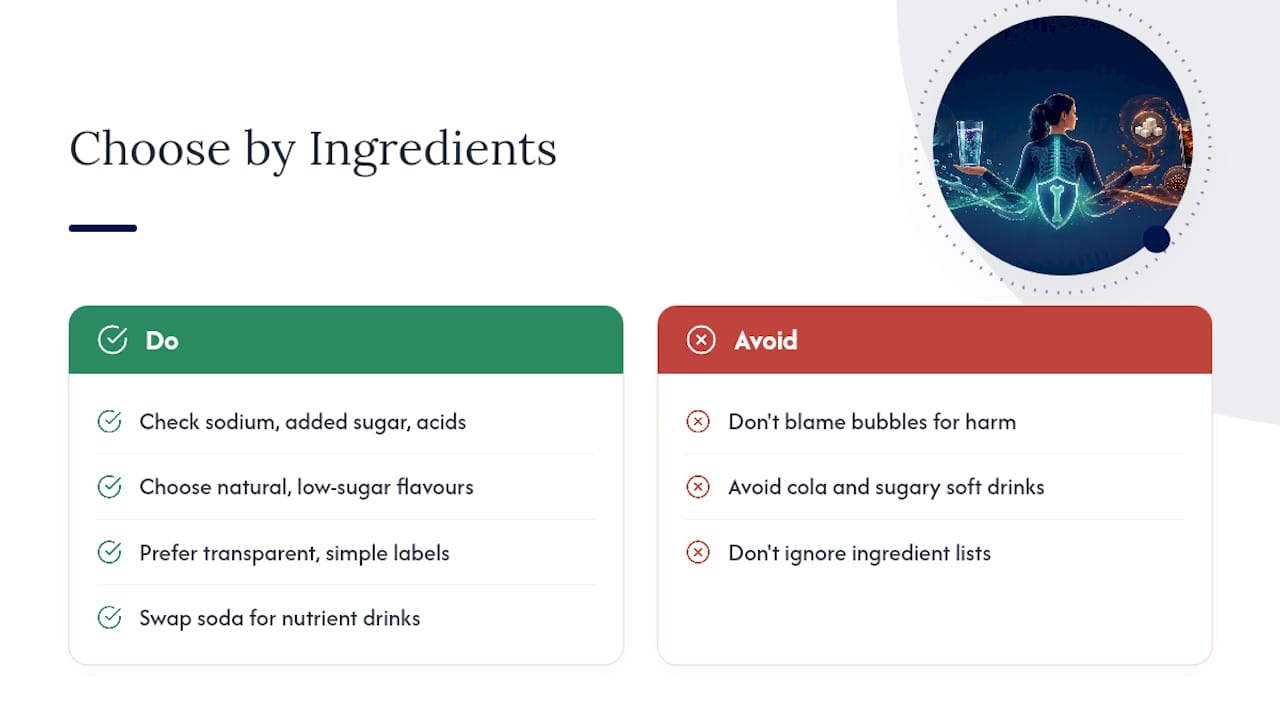
- Pick plain or naturally mineralized sparkling water first. Look for options where water and carbon dioxide are the only real ingredients, or where added minerals like calcium and magnesium appear on the label.
- Skip tonic water and heavily sweetened flavoured varieties. Tonic water in particular carries a sugar load that puts it in the same category as regular soda, not seltzer.
- Scan for sodium, if you’re watching intake. Club soda often has higher sodium than plain seltzer because of how it’s processed; check the nutrition panel if you drink it daily.
- Check for added citric acid and other acids. These affect dental enamel over time more than they affect bone, but they’re worth knowing about if you’re drinking several cans a day. MedicalNewsToday’s breakdown covers this clearly.
- Keep your calcium-rich beverages in rotation. Swapping soda for sparkling water is a smart move, but don’t let sparkling water quietly replace milk or fortified alternatives too. A practical calcium guide can help you map out daily targets.
- Talk to a clinician if you have diagnosed osteoporosis, a history of fractures, or a restricted diet. General population evidence doesn’t always translate cleanly to higher-risk individuals.
Pro Tip: Keep a running mental note of what a sparkling water is replacing in your day. If it’s replacing soda, that’s a clear win. If it’s replacing milk with every meal, rebalance your calcium sources elsewhere.
Where Drinksolidviibe fits into the bone health conversation
Some sparkling tonics are made with natural ingredients, low sugar, and functional flavours like lemon-ginger and passionfruit, in the opposite direction from tonic water and cola. That matters here because the entire sparkling water bone health debate comes down to what’s dissolved alongside the bubbles, not the bubbles themselves.
The brand’s approach leans on straightforward labels rather than long ingredient lists, which lines up with the checklist above: check for sodium, added sugar, and acids before anything else. For readers weighing a sparkling drink over a sports drink or looking to swap soda for something with actual nutrient content, that label transparency is the whole ballgame. It won’t undo a calcium deficiency on its own, but it removes the additive risks tied to cola and sugary soft drinks from the equation entirely.
The conventional wisdom on fizzy drinks and bones is outdated
The bubbles-cause-brittle-bones myth has stuck around for decades because it’s a satisfying story: something feels artificial, so it must be harmful. The actual research tells a more boring, more useful story. Nobody’s skeleton is at risk from a can of plain seltzer.
Where I think most health content gets this wrong is treating “carbonated” as one category. It isn’t. Grouping cola and club soda together because they both fizz is like grouping vodka and orange juice together because they’re both liquids. The ingredient list is what matters, not the texture.
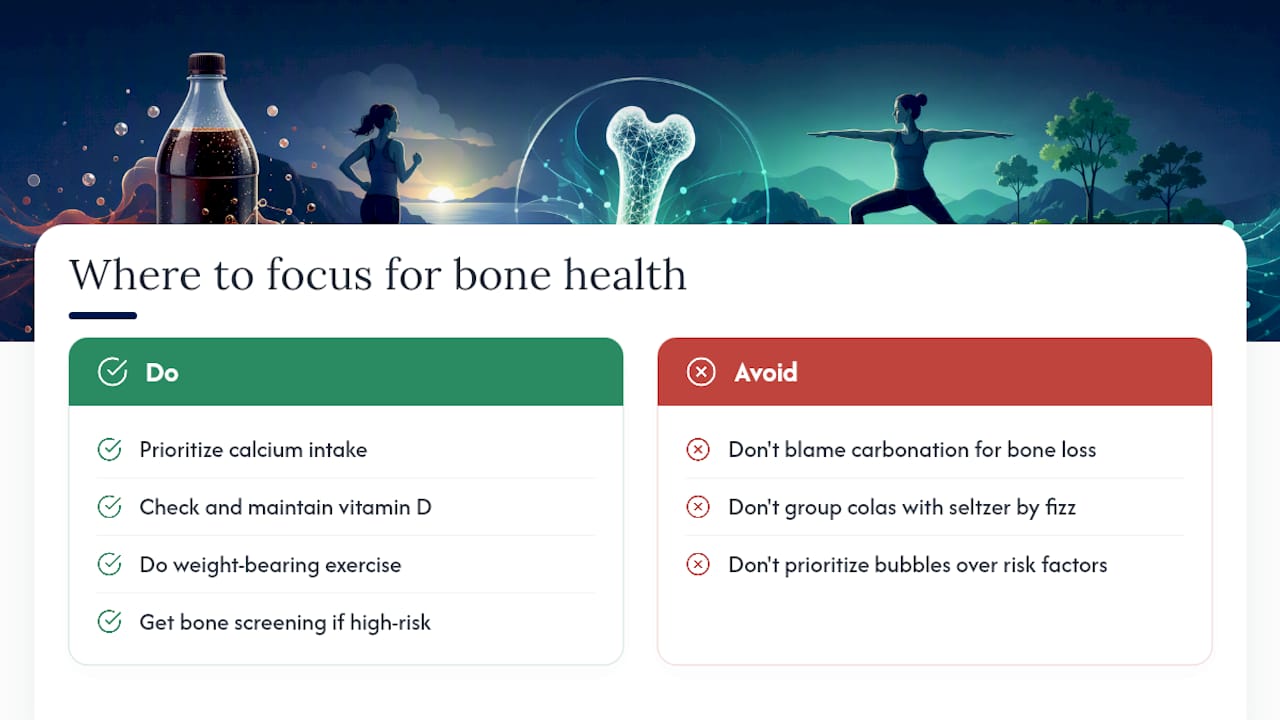
If you’re genuinely worried about bone density, carbonation shouldn’t be anywhere near the top of your list. Your calcium intake, your vitamin D levels, whether you’re doing any weight-bearing exercise, and whether you’ve been screened if you’re in a higher-risk group, those four things carry far more weight than whatever’s in your glass at lunch. Read labels, sure. But read them for sugar and sodium, not for bubbles.
— Sharon
Try a sparkling tonic that skips the bone health guesswork entirely
If the research above left you wanting a fizzy drink that doesn’t come with an asterisk, that’s exactly the gap Drinksolidviibe fills. Instead of cola’s phosphoric acid, caffeine, and heavy sugar load, or tonic water’s hidden sweetness, you get natural ingredients and functional flavours like lemon-ginger and passionfruit built around low sugar from the start.
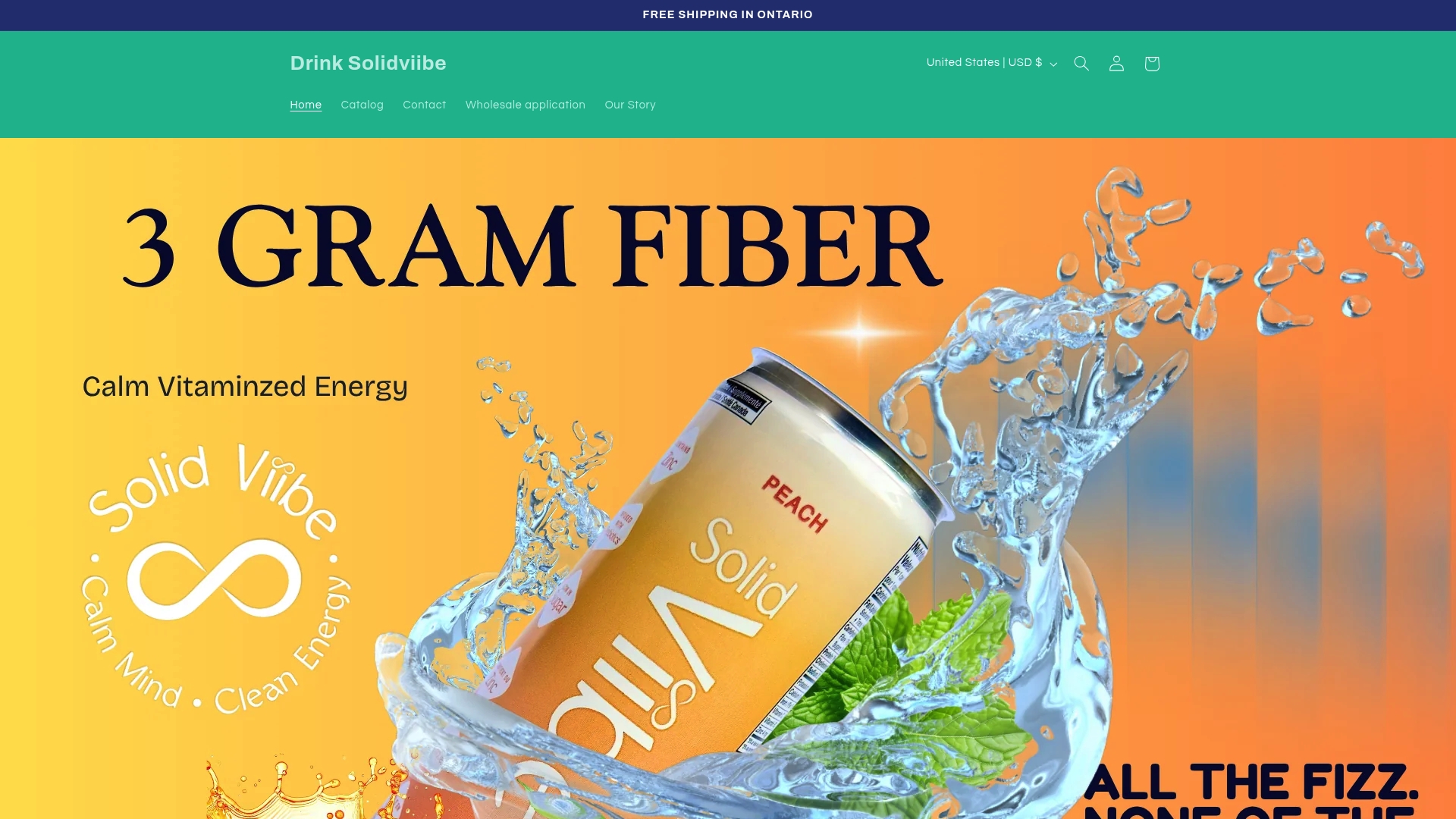
For anyone trying to cut soda without giving up flavour, or looking for a carbonated alternative that supports gut health and immunity rather than just refreshment, Drinksolidviibe’s variety packs are built for exactly that swap. Head to the Drinksolidviibe online store to browse the current flavour lineup and pick a pack that fits your routine.
This article is general information, not a substitute for advice from a qualified doctor. Consult a qualified healthcare professional about your own circumstances before acting on anything here.
Sources
- Carbonated beverage consumption and bone mineral density among older women: the Rancho Bernardo Study.
- Bone remodelling is not affected by consumption of a sodium-rich carbonated mineral water in healthy postmenopausal women
- By the way, doctor: Does carbonated water harm bones?
- Carbonated water: Effects on calcium loss, tooth decay, IBS and more
- Carbonated (sparkling) water: Good or bad?
FAQ
Is sparkling water good for your bones?
Plain sparkling water shows no link to reduced bone mineral density in the studies that have tested it, including both a large observational cohort and a controlled trial measuring bone turnover markers directly.
What is the silent killer of osteoporosis?
Osteoporosis is often called a silent disease because bone loss happens without symptoms until a fracture occurs; the biggest risk factors are inadequate calcium and vitamin D, lack of weight-bearing exercise, and age-related hormonal changes, not carbonated beverages.
Should you avoid carbonated drinks if you have osteoporosis?
You don’t need to avoid plain carbonated water if you have osteoporosis, but it’s worth limiting cola and sugary soft drinks, and checking with a clinician about your overall calcium and vitamin D intake.
What are the best drinks to increase bone density?
Milk, fortified plant milks, and calcium fortified juices remain the top choices for bone-supportive hydration, and swapping soda for a low-sugar sparkling option can help reduce intake of additives linked to lower bone density in cola drinkers.


