
Sparkling drinks vs sports drinks: which should you choose?

For most Canadians, sparkling drinks are the better daily choice. They hydrate as effectively as still water, contain little to no sugar, and taste good enough that you will actually drink them. Sports drinks, by contrast, are a specialised tool: formulated to replace electrolytes and carbohydrates lost during intense exercise lasting longer than 60 minutes. Using them outside that context mostly adds sugar and calories you do not need.
Here is the short version:
- Daily hydration: Sparkling drinks and plain water are equally effective; sports drinks are unnecessary and often counterproductive.
- Sugar content: Most sports drinks carry a meaningful sugar load; quality sparkling beverages can be near zero.
- Exercise under 60 minutes: Water or a low-sugar sparkling drink is sufficient.
- Intense exercise over 60 minutes: A sports drink with electrolytes and carbohydrates earns its place.
- Dental health: Sports drinks’ low pH (typically 3–4) contributes to enamel erosion with frequent use.
What are sparkling drinks, and are they actually good for you?
Sparkling drinks are beverages carbonated with CO₂, ranging from plain sparkling water to naturally flavoured options with functional ingredients. The best versions keep the ingredient list short: carbonated water, natural fruit or botanical extracts, and minimal additives.
The hydration question gets asked constantly, and the answer is clear. Still and sparkling water score identically on the Beverage Hydration Index (BHI), both at approximately 1.0. Carbonation does not impair fluid absorption or retention. If anything, the bubbles help: research shows carbonated beverages quench thirst more effectively than flat ones, partly because CO₂ creates a cooling sensation that mimics cold water.
Typical ingredients in a quality sparkling drink:
- Carbonated water
- Natural fruit extracts (lemon, passionfruit, ginger)
- Minimal or zero added sugar
- No artificial colours or preservatives
Drinksolidviibe builds its line around exactly this profile, using functional flavours like lemon-ginger and passionfruit to deliver refreshment without the sugar load of conventional sodas.
One genuine caveat: some people find carbonation causes bloating or discomfort, particularly in large volumes. That is a personal sensitivity, not a hydration flaw.
Pro Tip: If plain water bores you and you find yourself reaching for juice or soda, a naturally flavoured sparkling drink is one of the most practical swaps you can make. The carbonation increases perceived thirst-quenching, so you tend to drink more overall.
How do sparkling drinks and sports drinks actually compare?
The core difference comes down to purpose. Sparkling drinks are built for enjoyment and everyday hydration. Sports drinks are engineered to replace what heavy exercise takes out of you: sodium, potassium, and fast-burning carbohydrates.
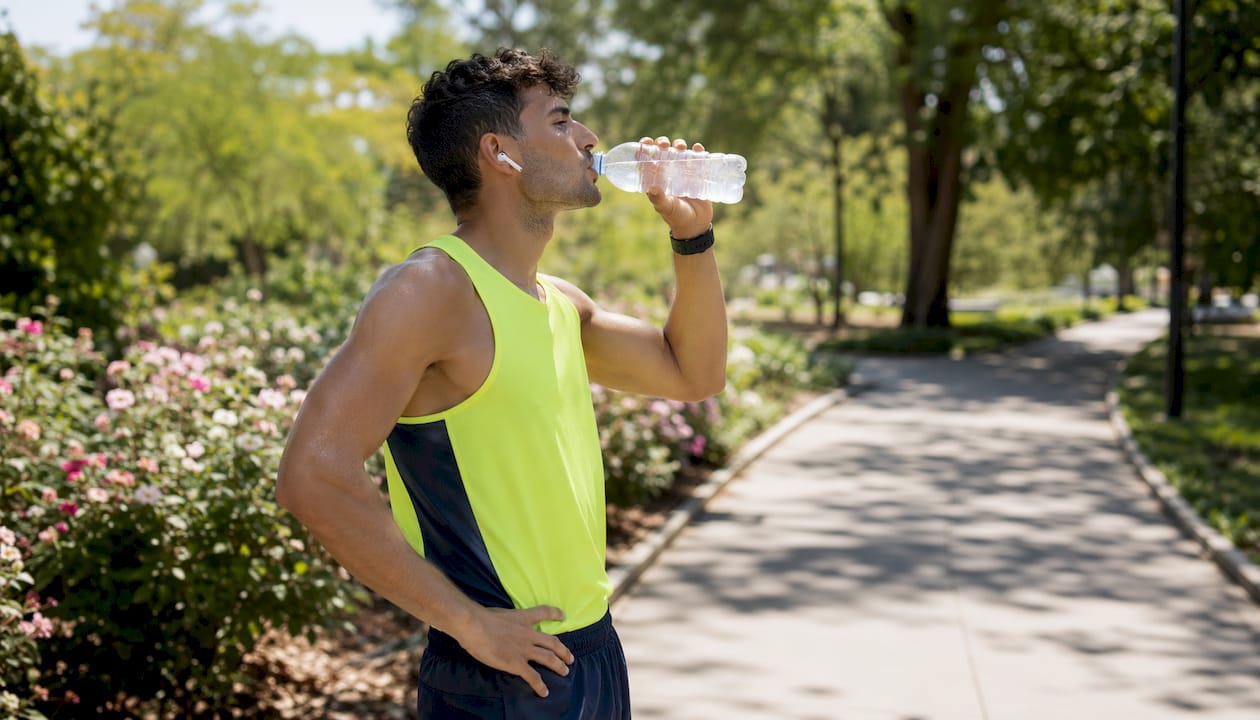
| Dimension | Sparkling drinks | Sports drinks |
|---|---|---|
| Intended use | Daily hydration, soda alternative | Electrolyte replacement during prolonged exercise |
| Sugar and calories | Low to zero sugar; minimal calories | Moderate to high sugar; meaningful calorie load |
| Ingredient profile | Carbonated water, natural flavours | Water, sodium, potassium, carbohydrates, flavourings |
| Hydration effectiveness | Equal to still water (BHI ~1.0) | Slightly better retention due to electrolyte content |
| Dental health risk | Low | Higher; pH 3–4 linked to enamel erosion |
| Best consumer | Anyone seeking flavourful, low-sugar hydration | Athletes in sustained, high-intensity activity |
Dietitians at Johns Hopkins advise choosing sports drinks specifically for electrolyte replacement after significant sweat loss, while low-sugar sparkling options suit regular hydration and enjoyment. The Canadian Paediatric Society is more direct: sports drinks belong only during extended, high-intensity activity lasting longer than 60 minutes. For everything else, water is the recommendation.
The misuse problem is real. Industry experts warn that consumers routinely drink sports drinks during light or sedentary activity, which adds excess calories without any physiological benefit. The original sports drink was developed in 1965 for high-intensity university athletes, not for general consumption.
How to choose the right drink for your hydration needs
The decision is simpler than the marketing suggests. Match the drink to what your body is actually doing.
Ask yourself these questions before you reach for a drink:
- Am I exercising for more than 60 minutes at high intensity? If yes, a sports drink with electrolytes makes sense.
- Am I just thirsty, at work, or doing light activity? Sparkling water or a low-sugar sparkling beverage is the right call.
- Am I trying to reduce soda intake without giving up flavour? A naturally flavoured sparkling drink fills that gap directly.
- Do I have concerns about sugar or dental health? Avoid frequent sports drink consumption outside athletic contexts.
For most Canadians on most days, plain water remains the gold standard. A functional sparkling beverage works well as a flavourful complement, particularly when you want something more interesting than plain water without the calorie cost of juice or soda.
Pro Tip: Reserve sports drinks for workouts that genuinely push past the 60-minute mark at high effort. For a post-gym refresh after a 45-minute session, a sparkling drink with natural flavours gives you the satisfaction without the unnecessary sugar.
Athletes focused on body recomposition should pay particular attention to this distinction: sports drinks consumed outside high-output sessions contribute to caloric surplus, which works against body composition goals.
Drinksolidviibe: natural sparkling hydration without the compromise
If you are cutting back on sugary sodas and sports drinks but still want something worth drinking, Drinksolidviibe is built for exactly that situation.
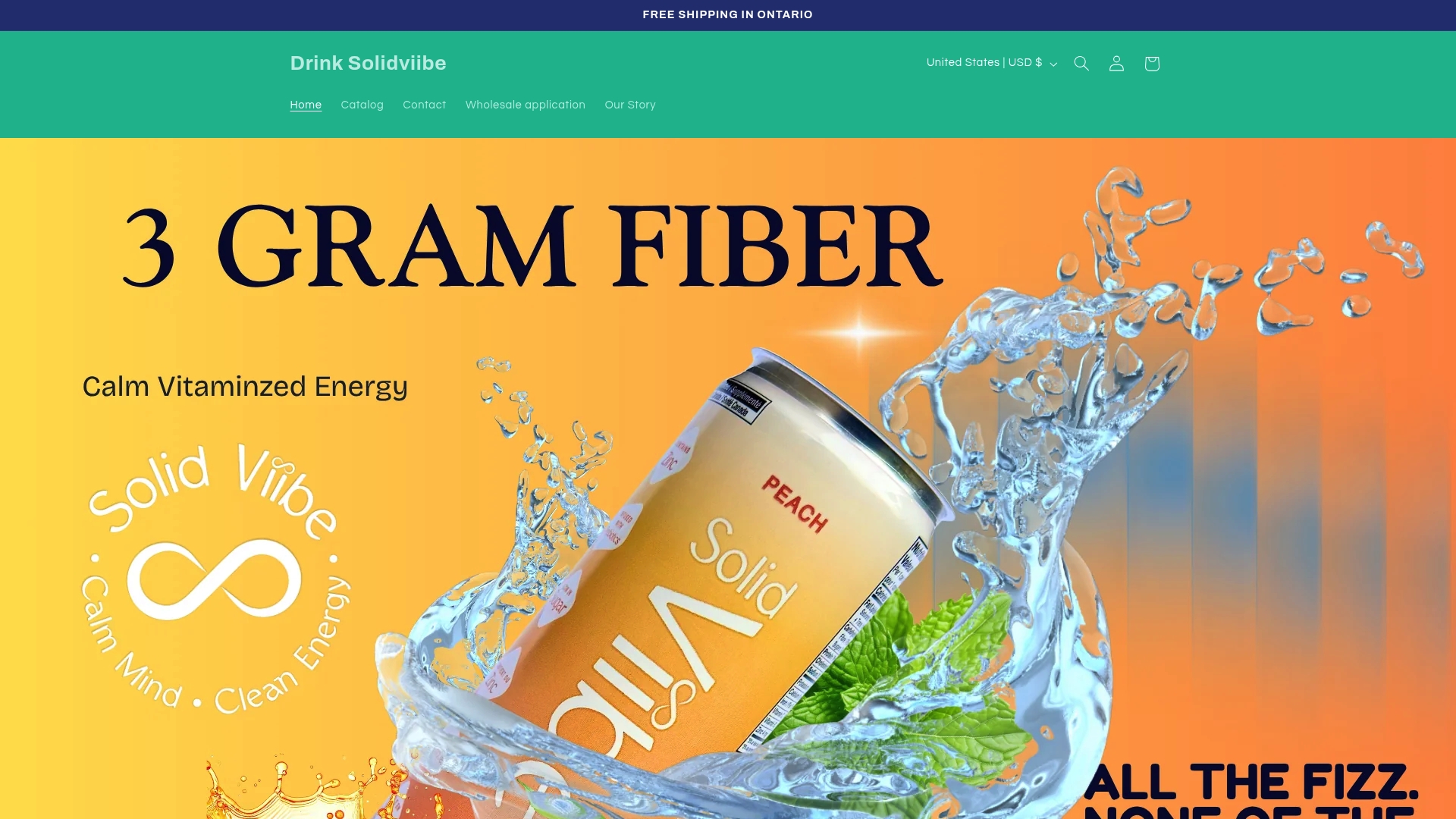
The Solidviibe Sparkling Variety Pack gives you lemon-ginger, peach, and passionfruit in a format that hydrates as well as water, contains no artificial ingredients, and skips the sugar load entirely. It is the kind of drink you can reach for at your desk, after a workout under an hour, or whenever a soda craving hits. No guilt, no trade-off on flavour.
Try the variety pack and find your favourite flavour.
Key takeaways
Sparkling drinks hydrate as effectively as still water and suit daily use; sports drinks are a targeted tool for exercise lasting longer than 60 minutes at high intensity.
| Point | Details |
|---|---|
| Hydration equivalence | Still and sparkling water both score approximately 1.0 on the Beverage Hydration Index. |
| Sports drinks’ proper context | The Canadian Paediatric Society recommends sports drinks only for high-intensity activity lasting longer than 60 minutes. |
| Sugar and dental risk | Sports drinks with a pH of 3–4 contribute to enamel erosion; low-sugar sparkling drinks carry far less risk. |
| Electrolytes and retention | Higher electrolyte content improves fluid retention; sports drinks outperform sparkling water only when sweat loss is significant. |
| Drinksolidviibe | Offers naturally flavoured sparkling beverages with no artificial ingredients, suited for everyday hydration and soda replacement. |


