
Top 9 antioxidant rich beverage types: what to drink and why
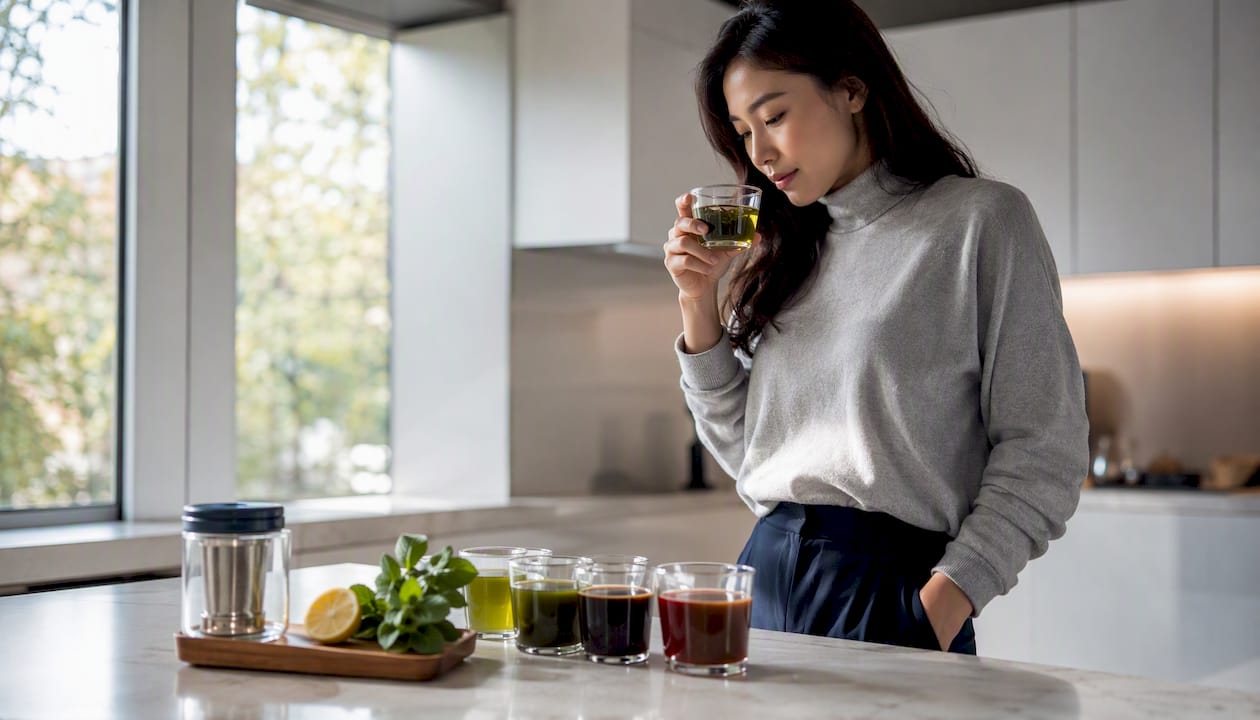
The best antioxidant-rich beverage types, ranked by polyphenol potency and practical value, are: green tea and matcha, black tea, coffee, pomegranate juice, berry and grape juices (blueberry, cranberry, Concord grape), cocoa and hot chocolate, tomato juice, herbal teas, and red wine. For everyday use, choose unsweetened brewed or freshly prepared forms. The single biggest caveat: added sugar and calorie density in commercial preparations can cancel out the benefits entirely.
- Green tea / matcha — highest flavonoid concentration among teas; matcha delivers the whole leaf
- Black tea — rich in theaflavins and thearubigins; widely available across Canada
- Coffee — one of the largest single sources of dietary polyphenols in the Canadian diet
- Pomegranate juice — ranked highest in composite antioxidant potency among polyphenol-rich beverages in comparative lab testing
- Berry and grape juices (blueberry, cranberry, Concord grape) — high in anthocyanins; choose 100% juice with no added sugar
- Cocoa / hot chocolate — flavanols from cacao are among the most studied for cardiovascular signals
- Tomato juice — notable for lycopene, a carotenoid with strong antioxidant properties
- Herbal teas (hibiscus, rooibos, rosehip) — caffeine-free polyphenol sources with wide availability
- Red wine — contains resveratrol and quercetin; moderation is non-negotiable
Quick rule: Brewed, unsweetened, and minimally processed always beats bottled and sweetened. If the label lists sugar in the first three ingredients, put it back.
Table of Contents
- What are antioxidants in beverages and how do they work?
- What does the evidence actually say about antioxidant beverages?
- Profiles of the top antioxidant-rich beverage types
- When do antioxidant drinks become unhealthy?
- How to choose and prepare antioxidant beverages sensibly
- How is antioxidant content actually measured?
- Key takeaways
- Why the antioxidant drink conversation is missing something important
- Drinksolidviibe: a low-sugar antioxidant-forward sparkling option for Canadians
- Useful sources and further reading
What are antioxidants in beverages and how do they work?
Antioxidants are molecules that neutralise free radicals, unstable compounds produced by normal metabolism and amplified by stress, pollution, and poor diet. Left unchecked, free radicals damage cell membranes, proteins, and DNA through a process called oxidative stress. Antioxidants donate electrons to stabilise those radicals before they cause harm.
The major antioxidant classes you will find in beverages include:
- Polyphenols (the broadest category) — found in tea, coffee, red wine, and fruit juices; include flavonoids, phenolic acids, and stilbenes
- Flavonoids — a polyphenol subclass; catechins in green tea, theaflavins in black tea, anthocyanins in berry juices, flavanols in cocoa
- Vitamin C — abundant in citrus juices, tomato juice, and rosehip tea; water-soluble and rapidly absorbed
- Carotenoids — lycopene in tomato juice, beta-carotene in carrot and orange juice; fat-soluble, so absorption improves with a small amount of dietary fat
- Resveratrol and quercetin — stilbene and flavonol found in red wine and grape juice
Understanding which class you are getting matters because each works through a slightly different pathway. Catechins in green tea, for instance, are particularly active in scavenging reactive oxygen species, while lycopene in tomato juice is more associated with lipid peroxidation protection. You can read more about the functional roles of these compounds in phytonutrient beverages.
Antioxidants do not work as a single on/off switch. They operate across overlapping pathways, which is why dietary variety across multiple beverage types and whole foods consistently outperforms any single “super-drink.”
What does the evidence actually say about antioxidant beverages?
Antioxidant-rich beverages show genuine associations with reduced cardiovascular risk and cellular protection in observational studies, but the clinical picture is more nuanced than most marketing suggests.
Where the evidence is reasonably strong:
- Tea (green and black): Large observational studies associate regular unsweetened tea consumption with lower rates of cardiovascular disease and certain cancers, though causality is not fully established
- Coffee: Consistently linked in cohort studies to reduced risk of type 2 diabetes and liver disease; one of the most studied dietary antioxidant sources in the world
- Pomegranate juice: Small clinical trials show reductions in LDL oxidation and blood pressure; the evidence base is promising but limited by small sample sizes
- Cocoa flavanols: Among the better-supported beverage antioxidants for cardiovascular outcomes, with clinical trials showing modest improvements in endothelial function
- Red wine (moderate consumption): Associated with cardiovascular benefit in Mediterranean diet studies, though researchers debate how much is attributable to resveratrol versus other lifestyle factors
Where the evidence is limited or mixed:
- Most antioxidant assays are conducted in vitro (in a test tube), and results do not always translate to measurable benefit in living humans
- Bioavailability varies enormously: the antioxidant capacity measured in a lab does not equal what your body actually absorbs and uses
- Sugar confounding is a real problem in juice studies; benefits seen in whole-fruit research do not automatically transfer to commercial juices
- Dosage thresholds for clinical benefit are poorly defined for most beverages
As a registered dietitian quoted by Signature Healthcare puts it, antioxidant drinks are often glorified by marketing and work best as occasional boosts, not replacements for whole fruits and vegetables. That framing is worth keeping front of mind every time you see a “superfood drink” claim on a label.
Profiles of the top antioxidant-rich beverage types
The table below gives a comparable snapshot across the nine major categories. Serving sizes are based on typical 250 mL portions unless noted. Some sugar content varies by brand and form, so check labels carefully.
Green tea and matcha
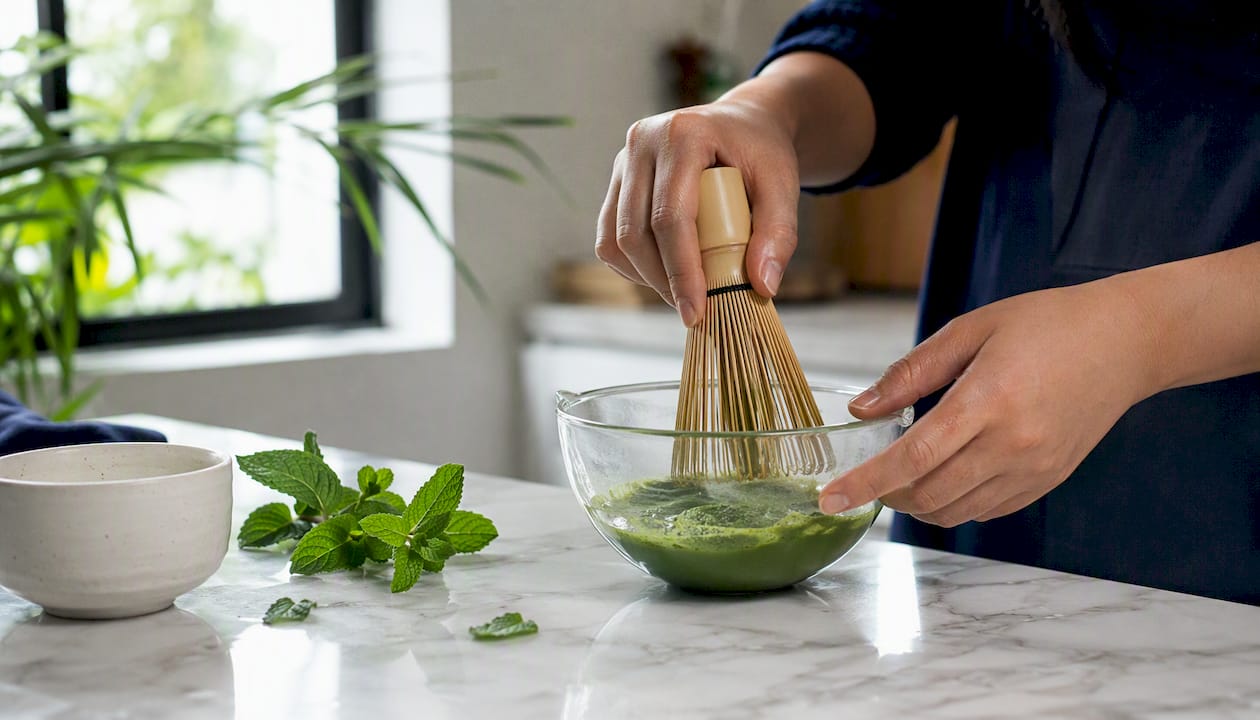
Brew green tea at 70–80°C for 2–3 minutes; boiling water destroys catechins. Matcha delivers the whole leaf in powdered form, so the catechin concentration is several times higher than brewed green tea. A ceremonial-grade matcha whisked in 70°C water with no added sweetener is the most antioxidant-dense tea preparation available.
Coffee
Black coffee is calorie-free and one of the richest dietary sources of chlorogenic acids. The problem is almost never the coffee itself. Sweetened specialty drinks from café chains can carry 40–60 g of sugar per serving, which flips the health equation entirely. Harvard’s Nutrition Source notes that plain brewed tea and coffee are abundant in flavonoids and biologically active substances, but sweetened specialty versions become calorie-dense fast.
Pomegranate juice
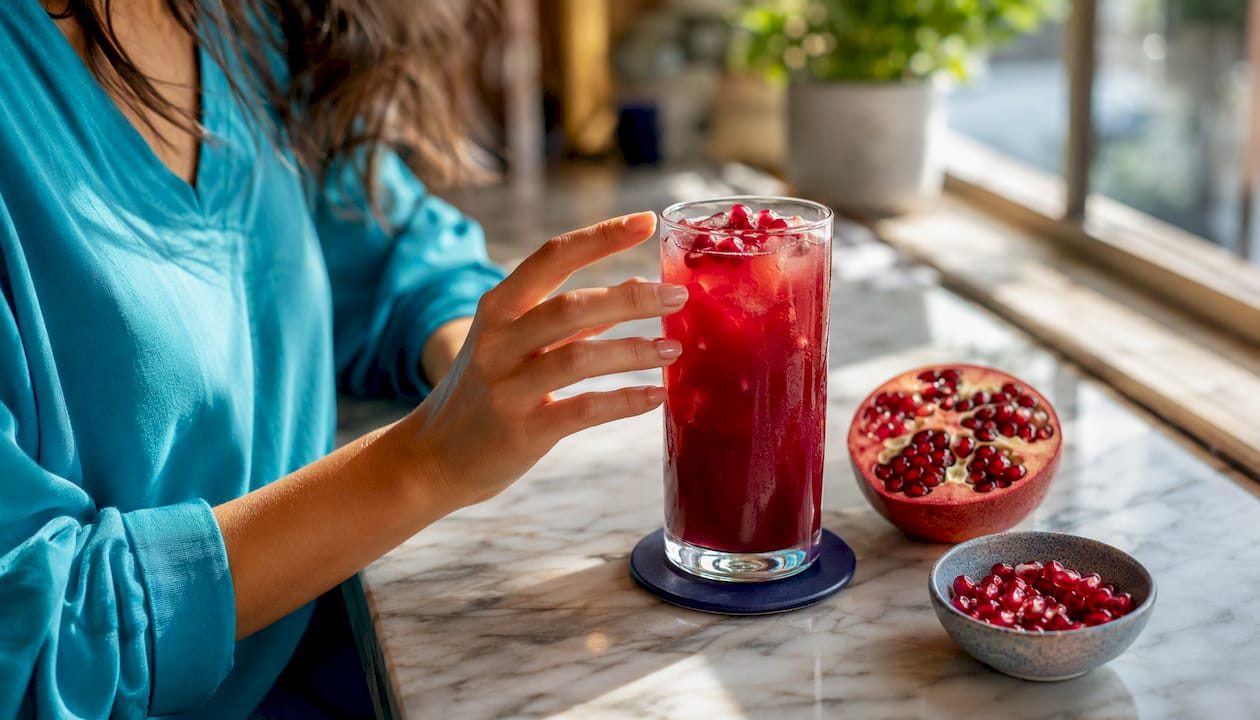
In Carlsen et al.'s comparative testing, pomegranate juice ranked highest in composite antioxidant potency and scored at least 20% higher than other beverages in the panel. The catch: a 250 mL glass of 100% pomegranate juice carries a significant amount of natural sugar. Keep portions to 125 mL and treat it as a concentrated antioxidant boost rather than a daily litre.
Cocoa and hot chocolate
Pure unsweetened cocoa powder is the form to use. Commercial hot chocolate mixes typically contain added sugar, hydrogenated fats, and minimal actual cocoa. Stir a tablespoon of unsweetened cocoa powder into warm milk or a plant-based alternative for the flavanol benefit without the sugar load.
Pro Tip: Add a small pinch of cinnamon to unsweetened cocoa drinks. Cinnamon has its own polyphenol profile and can reduce perceived bitterness, so you need less sweetener.
Tomato juice
Lycopene is fat-soluble, so absorption from tomato juice actually improves when consumed with a small amount of fat, such as a handful of nuts or a meal containing olive oil. Choose low-sodium versions; commercial tomato juice can carry 400–700 mg of sodium per 250 mL, which is a concern for blood pressure management.
Red wine
The evidence for resveratrol in red wine is real but frequently overstated. The amounts present in a standard 150 mL pour are modest, and the cardiovascular associations seen in Mediterranean diet studies reflect a whole dietary pattern, not a single compound. Canada’s updated low-risk alcohol drinking guidance recommends no more than two standard drinks per week for health benefit, so red wine is an occasional antioxidant source, not a daily strategy.
When do antioxidant drinks become unhealthy?
The direct rule: choose unsweetened, 100% juice, or brewed forms. Sweetened commercial preparations as daily staples are classified among the least recommended beverages by public-health panels, regardless of their antioxidant content.
Here is what to watch for on Canadian labels:
- Check the ingredient list first. If sugar, glucose-fructose, cane syrup, or honey appears in the first three ingredients, the antioxidant benefit is likely outweighed by the glycaemic load.
- Look for “100% juice” on fruit juice labels. “Juice drink,” “juice cocktail,” and “juice blend” are not the same thing; they typically contain added sugars and less actual juice.
- Watch serving sizes. A bottle labelled as “2 servings” at 250 mL each means the sugar content listed is per 250 mL, not per bottle. Most people drink the whole bottle.
- Bottled teas are a common trap. Many commercial bottled teas contain 20–30 g of added sugar per bottle and have lower polyphenol concentrations than freshly brewed tea, because antioxidants degrade during pasteurisation and storage.
- Vitamin waters and “enhanced” waters often contain 15–25 g of sugar per bottle with trace amounts of vitamins that do not meaningfully change your nutritional status.
For Canadians managing blood sugar, the Heart Foundation’s beverage guidance recommends low-sugar choices to reduce glycaemic impact, pointing to botanical, low-sugar tonics as better daily options than fruit juices and most commercial smoothies. A 250 mL glass of orange juice and a 250 mL can of cola contain comparable amounts of sugar; the juice has more micronutrients, but neither is a free pass.
Practical thresholds to keep in mind:
- Under 5 g of sugar per 250 mL: generally acceptable as a daily beverage
- 5–12 g per 250 mL: moderate; fine occasionally, not as a daily litre
- Over 12 g per 250 mL: treat as an occasional drink, not a health staple
How to choose and prepare antioxidant beverages sensibly
Favour unsweetened, minimally processed formats and match the beverage to the occasion. Brewed tea or black coffee gives you calorie-free antioxidant intake any time of day. Low-sodium tomato juice or a small pour of 100% pomegranate juice works well with a meal. For social occasions, a dry red wine or a low-sugar sparkling tonic fits without the sugar hit of most commercial options.
Practical preparation tips:
- Green tea: 70–80°C water, 2–3 minutes steep; longer steeping increases bitterness and does not meaningfully increase antioxidants
- Matcha: Sift 1–2 g of ceremonial-grade powder, whisk with 70°C water; avoid sweetened matcha latte mixes
- Black tea: 95°C water, 3–5 minutes; adding milk does not significantly reduce antioxidant absorption despite older claims
- Coffee: Paper-filtered drip or pour-over removes cafestol, a compound that raises LDL cholesterol in unfiltered preparations like French press
- Pomegranate and berry juices: Limit to 125 mL per serving; pair with a protein or fat source to slow glucose absorption
- Cocoa: Use unsweetened cocoa powder; one tablespoon in 200 mL of warm liquid is a reasonable daily dose
Medication and health interactions to know:
- Warfarin: Green tea in large amounts and pomegranate juice can affect warfarin metabolism; consult your pharmacist before making either a daily habit
- ACE inhibitors and statins: Pomegranate juice may interact with certain blood pressure and cholesterol medications
- Pregnancy: Limit caffeine to 200 mg per day (roughly one 250 mL brewed coffee or two cups of tea); avoid hibiscus tea and limit alcohol entirely
- Iron-deficiency anaemia: Tannins in black and green tea can inhibit non-haem iron absorption; drink tea between meals rather than with iron-rich foods
Pro Tip: Pair vitamin C-rich drinks (rosehip tea, tomato juice, citrus-infused water) with plant-based iron sources at meals. The vitamin C significantly improves non-haem iron absorption, giving you two nutritional benefits from one beverage choice.
For more on selecting high-quality antioxidant beverages without added sugars or artificial additives, the Drinksolidviibe blog covers label-reading in practical detail.
How is antioxidant content actually measured?
Lab assays measure chemical antioxidant capacity, but they do not prove clinical benefit. Use them as comparative signals, not health guarantees.
The three most common assays:
- ORAC (Oxygen Radical Absorbance Capacity): Measures how well a substance protects a fluorescent probe from oxidative damage; widely used in food labelling but the FDA stopped recommending it for dietary guidance because in vitro scores do not reliably predict in vivo outcomes
- FRAP (Ferric Reducing Antioxidant Power): Measures electron-donating capacity; straightforward and reproducible, but only captures reducing-type antioxidants
- TEAC (Trolox Equivalent Antioxidant Capacity): Measures radical scavenging ability relative to a vitamin E analogue; useful for comparing across beverage types
The Carlsen et al. study used a composite index combining ORAC, TEAC, DPPH, and FRAP to rank polyphenol-rich beverages, which is why its findings carry more weight than single-assay comparisons. Pomegranate juice ranked highest in that composite analysis, scoring at least 20% higher than other beverages tested.
The gap between in vitro potency and in vivo benefit is real and often large. A beverage that scores brilliantly in a test tube may deliver far less antioxidant activity in the body, because absorption depends on the food matrix, gut microbiome composition, and individual metabolism. Total polyphenol content measured in gallic acid equivalents (GAEs), combined with multiple assays and human clinical data where available, gives the most reliable picture.
Variability between batches and brands is also significant. Two bottles of the same pomegranate juice brand can differ in polyphenol content depending on fruit origin, processing method, and storage time. Freshly prepared always outperforms shelf-stable when antioxidant retention is the goal.
Key takeaways
Green tea, coffee, pomegranate juice, and cocoa are the most evidence-supported antioxidant-rich beverage types for everyday Canadian consumption, provided they are consumed unsweetened and in appropriate portions.
| Best everyday choices | Brewed green tea, black coffee, and herbal teas deliver polyphenols with zero sugar and minimal calories. | High-potency but portion-controlled | Pomegranate juice ranked highest in composite lab testing, scoring at least 20% higher than other beverages tested. Limit to 125 mL per serving due to natural sugar content. | | Sugar is the main risk | Commercial bottled teas, juice drinks, and sweetened cocoa mixes can carry 20–30 g of added sugar per serving, erasing antioxidant benefit. | | Beverages supplement, not replace | Antioxidant drinks complement a plant-forward diet; they do not substitute for whole fruits and vegetables. | | Drinksolidviibe as a daily option | Drinksolidviibe’s low-sugar sparkling tonics with natural botanicals offer an antioxidant-forward alternative to sugary commercial drinks. |
Why the antioxidant drink conversation is missing something important
Most guides on this topic spend their energy ranking beverages by ORAC score and leave readers with the impression that drinking more pomegranate juice is a health strategy. It is not, at least not on its own.
What actually matters is the pattern of consumption across a whole day and a whole diet. The beverages that show the strongest associations with long-term health outcomes in population studies are the ones people drink consistently, in plain unsweetened forms, as part of a diet that already includes vegetables, legumes, and whole grains. Green tea’s association with cardiovascular health in Japanese cohort studies is not separable from the broader dietary context in which it was consumed.
The second thing most guides miss is the sugar trap in “healthy” drinks. A bottle of commercial green tea with 28 g of added sugar is not a health drink. Neither is a smoothie made with three cups of fruit juice and no fibre. The antioxidant content is real, but the glycaemic impact is also real, and for most Canadians managing weight or blood sugar, the latter matters more in practice.
The most useful shift in thinking is this: stop treating antioxidant beverages as supplements and start treating them as replacements. Replace your afternoon sweetened soda with brewed black tea. Replace your morning juice with a small pour of 100% tomato juice alongside a whole piece of fruit. Replace a commercial energy drink with a low-sugar sparkling tonic that uses botanical extracts for flavour. Those substitutions compound over time in a way that drinking an extra glass of pomegranate juice on top of an otherwise poor diet simply does not.
Drinksolidviibe: a low-sugar antioxidant-forward sparkling option for Canadians
If you have been looking for a daily beverage that fits the “low sugar, real botanicals, no artificial additives” criteria this article keeps returning to, Drinksolidviibe’s sparkling functional wellness tonics are worth a look. Made with natural ingredients including lemon-ginger and passionfruit, they are nutrient-enriched with vitamins and minerals, kept low in sugar, and free from artificial additives. They work as a sophisticated replacement for sweetened sodas and energy drinks, not as a medical treatment.

Available for direct purchase online across Canada in single and variety packs, Drinksolidviibe fits the practical guidance in this article: a minimally processed, low-sugar, botanical beverage you can reach for daily without the glycaemic hit of commercial juice or bottled tea. Explore the sparkling tonic range and find the format that fits your routine.
This article is general health information, not medical advice. Consult a registered dietitian or healthcare provider for guidance specific to your health conditions and medications.
Useful sources and further reading
The following primary sources and guidance documents informed this article. Each is linked directly for your reference.
-
Comparison of antioxidant potency of commonly consumed polyphenol-rich beverages in the United States — Carlsen et al.; the primary composite-index study ranking pomegranate juice, berry juices, and teas by ORAC, TEAC, DPPH, and FRAP scores. The most rigorous comparative beverage antioxidant dataset available.
-
Carlsen et al. abstract via Europe PMC — indexed abstract of the same study; useful for verifying methodology and beverage rankings independently.
-
Healthy Beverage Guidelines, The Nutrition Source (Harvard T.H. Chan School of Public Health) — comprehensive guidance on beverage quality, sugar content, and the distinction between plain brewed drinks and sweetened commercial preparations.
-
Best and Worst Drinks for Your Health (WebMD) — accessible public-health summary identifying unsweetened tea as a top antioxidant beverage choice and flagging moderation for alcohol.
These sources were selected for methodological rigour, institutional authority, or direct relevance to the beverage types covered. Where findings conflict, the primary peer-reviewed study (Carlsen et al.) takes precedence over consumer-facing summaries.


