
What to drink while studying, according to the research

Water is the non-negotiable baseline, since even mild dehydration slows reaction time and dulls focus. Beyond that, green tea and matcha offer calm, sustained alertness through their caffeine and L-theanine combination, while moderate coffee suits short, intense sprints. Skip sugary energy drinks and alcohol entirely, and use a low-sugar functional tonic like Solidviibe to bridge the gaps between caffeinated cups.
TL;DR:
- Drinking water steadily during study sessions is essential, as even 1-2 percent dehydration impairs reaction time and concentration.
- Green tea and matcha provide a calmer, sustained alertness thanks to caffeine and L-theanine, especially when consumed in moderation before afternoon study.
- Coffee boosts alertness quickly but can cause crashes; pairing it with protein-rich snacks or switching to green tea can minimize negative effects.
- Sugary energy drinks, sodas, and alcohol undermine focus by causing blood sugar crashes and impairing memory, especially if consumed late in the day.
- Low-sugar electrolyte drinks are useful for extended or physically demanding study periods, but for typical sessions, plain water suffices.
Table of Contents
- The best drinks for studying, ranked by what actually works
- Drinks that work against you while studying
- How to time and dose your drinks during a study session
- What the research actually supports, and where it doesn’t
- Does milk help you focus, or is it just a habit?
- Do electrolyte drinks matter for long study sessions?
- When should you drink water versus caffeine during a session?
- Can your medications or health conditions change how these drinks affect you?
- Why hydration-first thinking beats stimulant-chasing
- Try Solidviibe as your between-cup study drink
- Sources
The best drinks for studying, ranked by what actually works
Not every drink on your desk earns its spot. Some genuinely sharpen focus and some just feel like they do, right up until the crash. Here’s how the realistic contenders stack up.
Water goes first because it isn’t optional. Roughly three-quarters of your brain’s volume is water, and losing just 1 to 2 percent of your body weight through dehydration measurably slows reaction time and impairs concentration. That’s a light sweat during a walk to class, not a dramatic health event. During a study block, aim for small, steady sips throughout rather than large amounts all at once. If plain water bores you into skipping it, add carbonation or a splash of citrus. Its limit is obvious: water hydrates, but it doesn’t stimulate, so it’s the foundation, not the whole strategy.
Green tea and matcha solve the stimulation problem without the jitters. A typical cup of green tea carries 20 to 50 mg of caffeine, well under a coffee’s dose, but it’s paired with L-theanine, an amino acid that research suggests smooths out caffeine’s edge and supports calmer, more sustained attention than caffeine alone. Matcha, since you’re drinking the whole leaf rather than a steeped infusion, delivers more L-theanine per serving, which makes it a solid choice when you want a steadier lift over a long reading session. Best timing: mid-morning or early afternoon, one to two cups, well before your evening wind-down.
Coffee is the classic for a reason. It works fast, it’s cheap, and it reliably boosts alertness and reaction time for short, demanding tasks like a timed practice test or the last hour before a deadline. The trade-off is the well-known crash, and it gets worse when you load your cup with sugar. Black coffee, or coffee with a splash of milk, paired with a protein-rich snack, blunts the swing far better than a sweetened latte. Water, tea, and coffee routinely rank as the top study beverages in comparisons against sugary sodas, energy drinks, and alcohol, and that lines up with what the caffeine research actually shows.
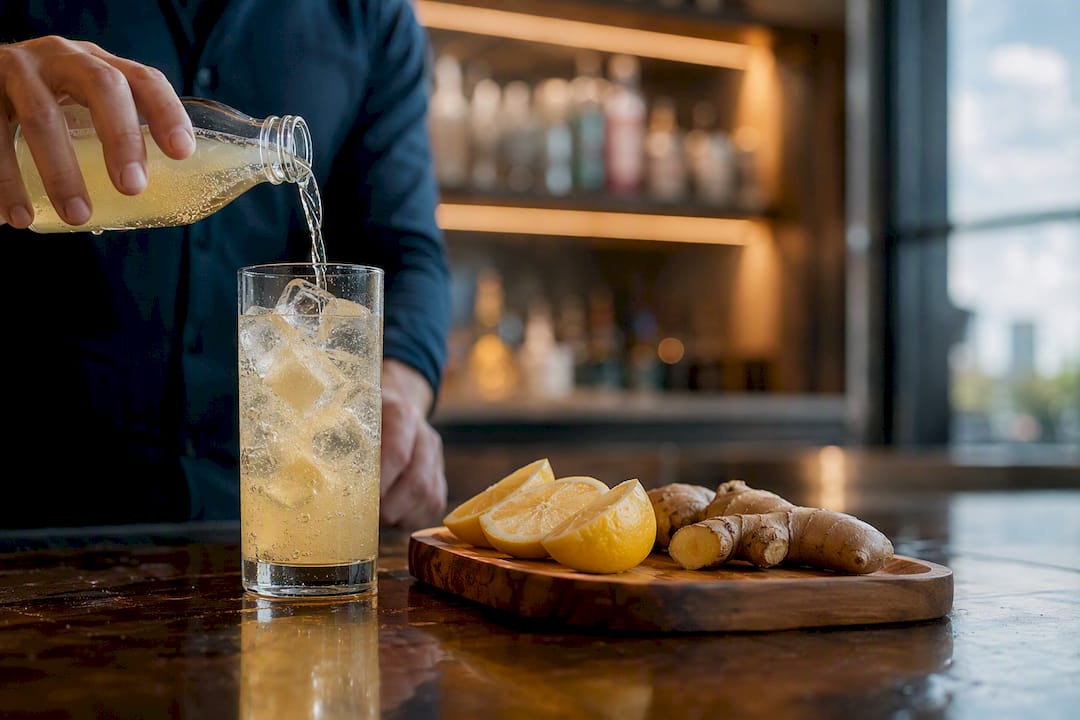
Low-sugar functional sparkling tonics, the category Solidviibe builds its cans around, fill a real gap: something with flavour and a bit of natural botanical lift that isn’t loaded with sugar and doesn’t compete with your afternoon coffee for caffeine tolerance. A can of a lemon-ginger or passionfruit tonic between your morning coffee and your evening tea gives your palate a break from either while keeping you hydrated instead of adding another sugar spike to your afternoon.
Smoothies and beet or berry juices bring antioxidants and, in beetroot’s case, nitrates linked to better blood flow. The catch is sugar. A juice heavy on fruit concentrate can spike glucose the same way a soda does, so treat these as a small side pour, not a tall glass, and reviews of the research note that evidence for cognitive benefits from juices remains promising but limited, largely from small trials rather than large, definitive studies.
Kombucha and kefir get attention for the gut-brain axis, the idea that a healthier gut microbiome supports mood and cognition. It’s a real area of research, but current evidence for fermented drinks and other brain-boosting beverages is still developing, and some kombuchas carry meaningful sugar and residual alcohol. Fine as an occasional addition, not a study-session staple.
Pro Tip: Keep one drink in reserve for the second half of a long study block. Starting your afternoon session with a fresh option, rather than a fourth coffee, avoids the tolerance creep that makes each cup feel weaker than the last.
Drinks that work against you while studying
Some beverages actively undercut the focus you’re trying to build, and the mechanism is usually the same: a fast glucose or dopamine spike followed by a rough landing right when you need to concentrate.
- Energy drinks stack high caffeine with heavy sugar, which produces a sharper crash than coffee alone and disrupts sleep if consumed past early afternoon, undoing the memory consolidation your brain does overnight.
- Sugary sodas and sweetened fruit drinks spike blood glucose, then drop it, and that swing shows up as the foggy, unfocused feeling you get an hour after finishing one. Sugary sodas and energy drinks rank among the worst options for studying in most practical comparisons, right alongside alcohol.
- Alcohol impairs concentration and memory formation the same night you drink it, and the next-day fog from even moderate drinking can wreck an entire morning of planned study.
If you’re going to have any of these anyway, keep the portion small, drink them earlier rather than later in the day, and follow up with a full glass of water to offset the dehydrating effect.
How to time and dose your drinks during a study session
- Start hydrated, not thirsty. Fill a water bottle before you sit down and target roughly 250 to 350 ml every 30 to 45 minutes during an intensive session, a rhythm supported by research on dehydration’s effect on reaction time.
- Front-load your caffeine. Have coffee or tea in the morning or early afternoon, and stop caffeine by mid-afternoon at the latest. Health guidance generally caps daily intake around 400 mg for most healthy adults, and late caffeine delays sleep, which hurts next-day recall more than it helps tonight’s studying.
- Smooth the peaks with L-theanine. Swap your second coffee for green tea or matcha instead of a third espresso; it keeps alertness up without stacking more raw caffeine.
- Pair drinks with steady food. A handful of nuts or a piece of fruit with your coffee slows the caffeine spike and keeps blood sugar level through the next hour.
- Rotate through the day. Coffee in the morning, green tea after lunch, a low-sugar tonic in the late afternoon. Rotating sources reduces tolerance buildup and avoids relying on one drink to do all the work.
Pro Tip: Pack a study kit before you sit down: a measured coffee or tea, a full water bottle, a protein or fibre snack, and a Solidviibe can for the mid-session lull. Deciding in advance beats hunting for a vending machine at hour three.
What the research actually supports, and where it doesn’t
The strongest evidence in this whole topic is the hydration finding. A Georgia Tech-affiliated review found that losing just 1 to 2 percent of body weight in fluid measurably slows reaction time and impairs attention, and given that water makes up a large portion of brain volume, that’s not a subtle effect. This is why water sits at the top of every serious list of study drinks, not as a nice-to-have but as the thing that keeps the rest of your strategy from underperforming.
Caffeine’s benefits for alertness and reaction time are well established, though the upper limit matters. Most health guidance places safe daily intake for healthy adults around 400 mg, and timing matters just as much as dose, since afternoon or evening caffeine pushes back sleep and undercuts the memory consolidation that happens overnight.
The caffeine-plus-L-theanine combination has genuine support, though it comes with a caveat worth stating plainly: the trials behind it tend to be smaller, controlled studies rather than large population research, so treat the effect as real but modest rather than dramatic. Juices, beetroot, and fermented drinks sit in a similar spot: plausible mechanisms, some supportive trials, but nothing close to the strength of the hydration or caffeine data.
| Factor | What the research shows | Practical takeaway |
|---|---|---|
| Dehydration | 1 to 2% body-weight fluid loss impairs reaction time and attention | Sip water steadily rather than waiting until thirsty |
| Coffee caffeine | Roughly 80 to 100 mg per average cup | One to two cups before early afternoon |
| Green tea caffeine | Roughly 20 to 50 mg per cup, with L-theanine | Good for a steadier, calmer lift |
| Daily caffeine ceiling | Around 400 mg for most healthy adults | Stop caffeine by mid-afternoon |
| Juices and fermented drinks | Promising mechanisms, limited large-scale evidence | Treat as a small side addition, not a core strategy |
Even mild dehydration measurably slows reaction time and impairs concentration, at just 1 to 2 percent of body weight in fluid loss, which is a level most students hit without noticing during a long library session.
Does milk help you focus, or is it just a habit?
Milk and dairy-based drinks don’t carry the stimulant punch of coffee or tea, but they play a supporting role in a study routine that’s easy to underrate. A glass of milk delivers protein and a steady release of energy, which helps prevent the blood-sugar dips that come from studying on an empty stomach or on sugar alone. That steadiness matters more than people expect: a slow, even glucose supply keeps concentration level, while a spike-and-crash pattern from sweetened drinks does the opposite.
Where dairy actually helps is in pairing, not in replacing your caffeine. Adding milk to coffee or tea, rather than sugar, slows the caffeine absorption curve slightly and takes the edge off the crash that follows a sweetened version of the same cup. A warm milky tea before bed, caffeine-free, also supports the wind-down that protects the next day’s focus, since poor sleep undoes far more cognitive performance than any drink can restore. For lactose-intolerant students, a fortified plant milk delivers a similar steadying effect without the digestive discomfort that can itself become a distraction during a long session.
Do electrolyte drinks matter for long study sessions?
For most single study sessions, plain water covers your hydration needs completely. Electrolyte drinks earn their place in a narrower situation: long, multi-hour sessions, hot rooms, or days when you’ve already lost fluid through exercise or heat before you even sit down to study.
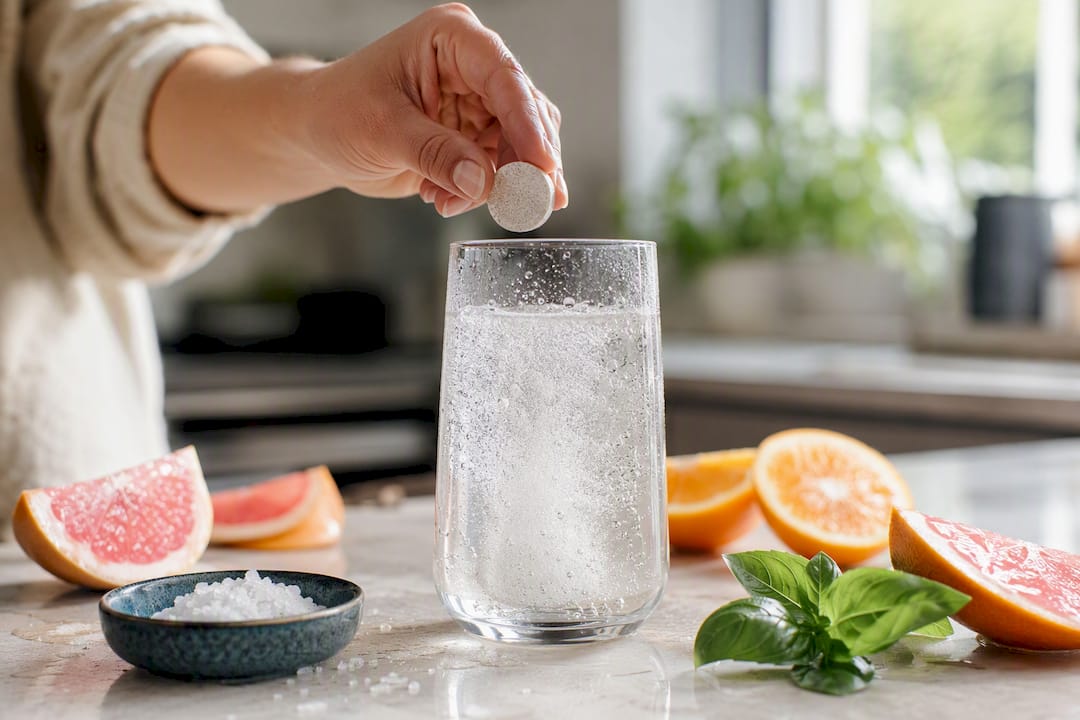
Sodium, potassium, and magnesium help your body actually retain the water you drink rather than passing it straight through, which matters during exam weeks when eight-hour library stretches are common. The catch is that most commercial electrolyte drinks and sports drinks carry meaningful sugar, so check the label or reach for a low-sugar electrolyte tablet dissolved in water instead of a full sports drink. Reserve electrolyte drinks for genuinely long or physically demanding days, not as a default replacement for water on an ordinary afternoon of reading.
When should you drink water versus caffeine during a session?
The mistake most students make isn’t choosing the wrong drink. It’s drinking everything at the wrong time. Water needs a constant, quiet cadence throughout your entire session, roughly a glass every half hour to 45 minutes, regardless of whether you’re also having coffee or tea. Caffeinated drinks work best clustered earlier in the day, which means your non-caffeinated hydration has to fill every other gap.
A practical pattern: water first thing when you sit down, before any caffeine touches your system, since starting dehydrated blunts the alertness boost you’re about to drink for. Keep water going steadily between cups of tea or coffee, not just after them, since caffeine has a mild diuretic effect that adds to your fluid needs rather than replacing them. In the evening, once you’ve cut off caffeine, water or a decaffeinated herbal tea should carry the rest of your hydration so you’re not walking into sleep dehydrated and undermining the memory consolidation you studied for in the first place.
Can your medications or health conditions change how these drinks affect you?
Caffeine and other study drinks don’t interact with everyone’s body the same way, and a few common situations are worth knowing about before you build a routine around any of them. Certain medications, including some antibiotics, stimulant medications for attention disorders, and some antidepressants, can intensify or alter caffeine’s effects, sometimes raising heart rate or anxiety beyond what you’d expect from your usual cup. If you’re on a prescription that mentions caffeine interactions on the label, or if a normal dose of coffee suddenly feels different, that’s worth a conversation with a pharmacist or doctor rather than a guess.
People with anxiety disorders, acid reflux, or certain heart conditions often find that even moderate caffeine amplifies symptoms, in which case green tea’s lower dose or a caffeine-free tonic makes more sense than pushing through with coffee. Pregnant students and those managing blood pressure conditions should also treat the standard caffeine guidance as a starting point, not a fixed target, and check with a healthcare provider about their own safe range. None of this rules caffeine out for most people. It just means the “safe daily limit” figures circulating online are a general guide, not a personal prescription.
Why hydration-first thinking beats stimulant-chasing
The advice students actually get is backwards half the time. Everyone talks about which caffeine source is “best,” and almost nobody talks about the fact that most focus problems during a study session trace back to simple dehydration, not a lack of stimulation. That’s the part I’d push back on hardest: chasing a stronger coffee or a bigger energy drink when the real fix is a glass of water is one of the most common, and most fixable, mistakes I see in how people talk about study performance.
Solidviibe’s tonics were built around that gap. Low sugar, natural botanicals, enough hydration and mild lift to bridge the stretch between a morning coffee and an afternoon tea, without adding another sugar spike or another jolt of raw caffeine to a system that’s already had enough. That’s a legitimate niche, not a replacement for water or a magic fix for a bad night’s sleep.
Being honest about limits matters more than a confident sales pitch. On a low-key reading afternoon, plain water and maybe a cup of green tea will outperform anything in a can, functional or otherwise. The tonic earns its place in the harder stretches, the exam-week afternoons, the second wind you need at 3 p.m. without wanting a third coffee. Anyone telling you a single drink solves focus for every situation is oversimplifying the evidence.
— Sharon
Try Solidviibe as your between-cup study drink
Solidviibe is built for the exact gap this guide keeps pointing to: the stretch between your morning coffee and your afternoon tea, when you want hydration and a little lift without more sugar or more raw caffeine. Each can leans on natural botanicals and flavours like lemon-ginger and passionfruit, with a fraction of the sugar found in soda or a typical energy drink, so it fits directly into the rotation strategy covered above instead of working against it.

If you’re already planning to rotate coffee, tea, and water through a long study day, add a Solidviibe can as the low-sugar option for the mid-afternoon lull, right when tolerance to your regular caffeine source starts creeping in. For a deeper look at how functional ingredients support sustained focus, the guide to nootropic beverages breaks down what’s actually in the can and why. Ready to build your own study-day rotation? Head to Drinksolidviibe and pick a variety pack to try alongside your usual water and tea.
Sources
- We get parched: cognition can sputter, dehydration study says — Georgia Tech Biosciences
- Best and worst drinks for studying — Med School Insiders (Kevin Jubbal, M.D.)
- The best morning drink for better focus — EatingWell
- 15 brain-boosting juices and beverages — Healthline


