
Six drinks that reduce exercise fatigue, and when to use each

To cut exercise-related fatigue, start with water, then match one of these evidence-backed options to your session: carbohydrate-electrolyte sports drinks, carbohydrate+protein recovery drinks, caffeine, nitrate-rich beetroot juice, or antioxidant beverages like tart cherry. Short, easy sessions rarely need more than plain water. Long or sweaty workouts call for electrolytes and carbohydrate, for example 30 to 60 grams of carbohydrate per hour. Repeated training days respond best to a carb+protein drink in a 3:1 to 4:1 ratio, consumed within about 30 minutes of finishing. Need alertness before a session? Caffeine helps. Training for strength or endurance power? Beetroot juice has real data behind it.
- Water — the default for anything under an hour
- Electrolyte sports drinks — heavy sweat, heat, or sessions over 60 to 90 minutes
- Carb+protein recovery drinks — repeat sessions, tournaments, back-to-back training days
- Caffeine — pre-workout alertness or late-session mental fatigue
- Beetroot juice — strength and endurance athletes chasing reduced cardiovascular strain
- Tart cherry juice — soreness management, with mixed evidence on performance
Key Takeaways
Reducing exercise fatigue depends on matching fluid intake, electrolytes, carbohydrate-protein timing, and select functional ingredients to the specific demands of your workout, not a single all-purpose drink.
| Point | Details |
|---|---|
| Hydration comes first | Correct even mild dehydration before reaching for any functional drink; it’s the most consistent fatigue fix. |
| Match drink to session length | Water for under an hour, electrolyte drinks for longer or hotter sessions above 60 to 90 minutes. |
| Use the 3:1 to 4:1 rule | Consume carbohydrate and protein in that ratio within about 30 minutes post-exercise for repeat sessions. |
| Beetroot needs days, not minutes | Nitrate benefits for cardiovascular strain show up after several days of consistent intake, not a single dose. |
| Choose flavour that lasts | Drinksolidviibe’s low-sugar sparkling tonics offer a functional, better-tasting option for everyday hydration and recovery habits. |
Table of Contents
- Why water is the baseline for reducing exercise fatigue
- Electrolyte and sports drinks: when they actually help
- Carbohydrate-plus-protein recovery drinks and the 30-minute window
- Caffeine and green tea: quick alertness with real caveats
- Beetroot juice: the nitrate evidence for reduced cardiovascular strain
- Tart cherry and antioxidant drinks: mixed results on performance
- How to choose your drink: a simple decision flow
- What the evidence actually supports, and where it’s thin
- What BCAAs and amino acids actually do for muscle fatigue
- How hydration status before, during, and after exercise shapes fatigue
- Energy drinks with taurine and stimulants: benefits and real risks
- Glucose vs fructose: why the type of sugar in your drink matters
- Matching your drink to your workout, not a general rule
- A brand perspective on low-sugar recovery drinks
- Where to find Drinksolidviibe’s sparkling functional tonics
- Sources
- FAQ
Why water is the baseline for reducing exercise fatigue
Fatigue often shows up before thirst does. Even a 1 to 2% drop in body weight from fluid loss raises perceived effort and slows reaction time, because blood volume drops and your heart works harder to move oxygen to working muscle. Correcting mild dehydration reliably reduces that perceived fatigue, and it’s the step every other drink on this list depends on. Harvard Health Publishing points to fluid balance as the most consistent lever for fighting tiredness, supplements included, and that guidance holds regardless of which functional drink you reach for next.
Pro Tip: Weigh yourself before and after a long training session once. The difference in pounds, converted to fluid ounces lost, tells you roughly how much you actually need to replace next time.
A few practical rules:
- Drink 500 to 600 mL of water two to three hours before exercise.
- Sip small amounts (150 to 250 mL) every 15 to 20 minutes during activity.
- Rehydrate with 1.5 times the fluid weight lost, spread over the hours after.
Plain water covers most sessions under an hour. Once you’re sweating heavily, training in heat, or going past 60 minutes, water alone stops being enough, and that’s where electrolytes and carbohydrate earn their place.
Electrolyte and sports drinks: when they actually help
Sports drinks earn their keep in specific conditions: heavy sweat losses, exercise beyond 60 to 90 minutes, or hot and humid environments where sodium loss climbs fast. Reviews of functional sports beverages show that carbohydrate-electrolyte formulas improve endurance performance and reduce fatigue during prolonged exercise, with 30 to 60 grams of carbohydrate per hour cited as the practical target during activity. Below that intensity or duration, you’re often just drinking sugar water for no measurable benefit.
What to check on a label:
- Carbohydrate concentration: 6 to 8% is the sweet spot for absorption without stomach distress.
- Sodium: aim for roughly 300 to 700 mg per litre, higher if you’re a heavy or salty sweater.
- Mixed sugars: blends of glucose and fructose increase carbohydrate uptake and reduce gut discomfort compared with glucose alone.
- Added sugar per serving: many mainstream sports drinks carry more sugar than the exercise demands, which matters if you’re training daily.
Pro Tip: If you’re doing a 45-minute gym session, skip the sports drink entirely. Save it for the long run, the hot yoga class, or the tournament day when sweat losses actually justify the sodium and carbohydrate. For a side-by-side on how a lighter, sparkling option stacks up against traditional formulas, see sparkling drinks vs sports drinks.
Carbohydrate-plus-protein recovery drinks and the 30-minute window
The ratio that shows up again and again in sports nutrition guidance is 3:1 to 4:1 carbohydrate-to-protein, and the timing that matters most is the roughly 30-minute window after you finish training. That window is when glycogen resynthesis runs fastest and muscle protein synthesis gets its biggest early boost, which is why this combination shows up more in reducing next-day fatigue than in same-day performance.
This matters most for:
- Athletes training twice a day who need glycogen back before the second session.
- Tournament or multi-day competitors facing repeated high-intensity efforts with little recovery time.
- Anyone stacking hard training days back to back, where cumulative fatigue builds if glycogen never fully tops up.
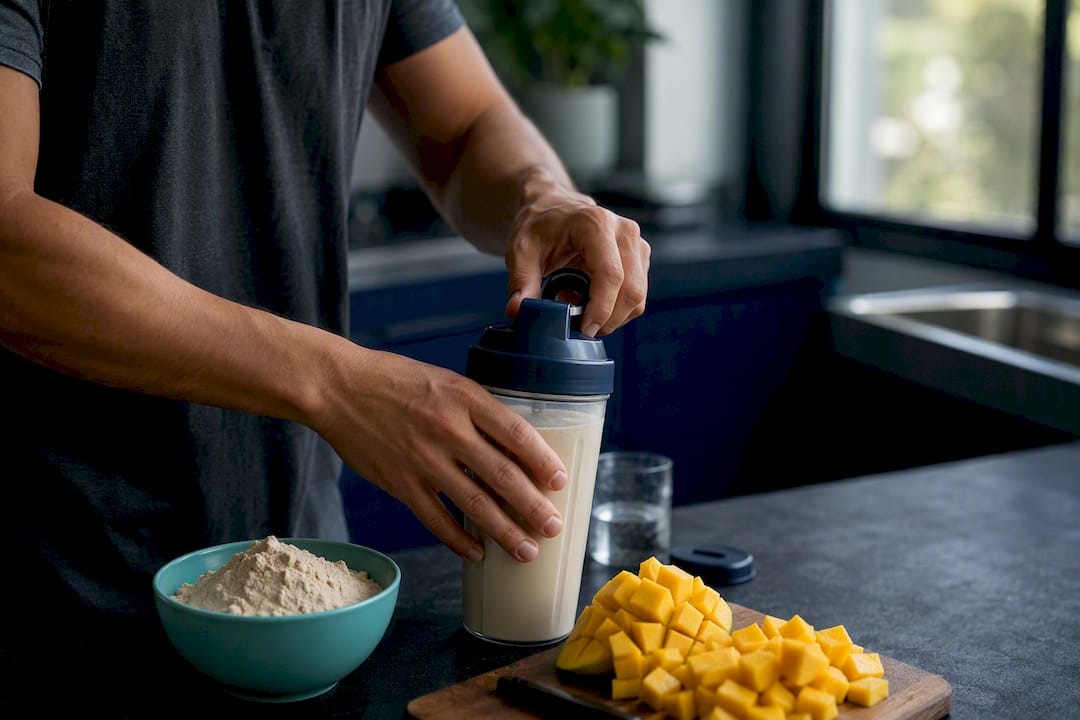
Practical formats include a protein powder blended with fruit and oats, a store-bought recovery shake, or plain chocolate milk, which happens to land close to the 4:1 ratio naturally. For heavy training days, a rough target is 1 gram of carbohydrate per kilogram of body weight paired with 0.25 to 0.4 grams of protein per kilogram in that first recovery window.
Caffeine and green tea: quick alertness with real caveats
Caffeine works fast on perceived fatigue. Doses from roughly 30 mg up to 300 mg improve alertness, attention, and perceived effort, especially when you’re already tired going into a session. That’s a cup of coffee to two strong cups, or a moderate pre-workout drink.
- Use it 30 to 60 minutes before a session when you need mental sharpness, not just physical output.
- Avoid it within 6 hours of bedtime, since poor sleep undoes any fatigue-fighting benefit the next day.
- Regular caffeine users build tolerance, so the “edge” shrinks over time unless you cycle intake.
- Green tea catechins may support muscle pain recovery and modest fatigue reduction, though the evidence is thinner and less consistent than for straight caffeine.
Pro Tip: If you train in the evening, swap coffee for a lower-caffeine green tea. You get some alertness benefit without wrecking the sleep that actually drives recovery. Readers curious about catechin-rich options can look at Yugen Teas for quality sourcing.
Beetroot juice: the nitrate evidence for reduced cardiovascular strain
Nitrate-rich beetroot juice has some of the more consistent clinical backing on this list. Short-term supplementation can improve peak movement velocity and reduce cardiovascular strain during strength training, which translates into feeling less taxed at the same workload.
- Strength athletes and endurance competitors doing repeated efforts tend to see the clearest benefit.
- Trial protocols often use concentrated beetroot juice supplying roughly 6 to 12 mmol of nitrate daily for several days leading into a test, not a single pre-workout shot.
- Watch for mild digestive upset or a temporary drop in blood pressure, particularly if you already run on the low side.
It’s not a stimulant and won’t wake you up. It works on blood flow and oxygen efficiency, which is a different lever entirely from caffeine.
Tart cherry and antioxidant drinks: mixed results on performance
Tart cherry juice is popular for muscle soreness, but the performance data is genuinely split. Randomised trials show some reduction in muscle soreness and improved recovery markers, while other trials find no real advantage over a standard high-glycemic sports drink.
- The proposed mechanism is anti-inflammatory compounds combined with a naturally low glycemic load.
- Benefits, where they appear, show up more in next-day soreness than in same-session fatigue.
- High doses of antioxidants taken too consistently may blunt the training adaptations you’re actually trying to build, so daily megadosing isn’t the answer.
- Study protocols typically use concentrated tart cherry juice for several days before and after a hard training bout, not a single serving.
Treat it as a soreness tool for tough training blocks, not a guaranteed fatigue fix for every workout.
How to choose your drink: a simple decision flow
Match the drink to the session, not the other way around.
- Under 60 minutes, moderate effort → water is enough.
- Over 60 to 90 minutes, heavy sweat, or heat → carbohydrate-electrolyte sports drink.
- Repeated sessions or tournament days → carb+protein recovery drink within 30 minutes of finishing.
- Need alertness before or mid-session → caffeine, timed away from bedtime.
- Strength or endurance-focused training block → beetroot juice, taken for several days rather than once.
When reading a label, check:
- Carbohydrate percentage (6 to 8% for during-exercise drinks)
- Sodium content (300 to 700 mg per litre for sweat replacement)
- Added sugar per serving
- Protein content for recovery-focused drinks
Pro Tip: A simple homemade electrolyte mix is a quarter teaspoon of salt, a tablespoon of honey, and a squeeze of citrus in 500 mL of water. For recovery, blend milk, a banana, and a scoop of protein powder for a rough 4:1 carb to protein shake. Keep both in your gym bag rotation alongside a bottle of plain water. For a deeper breakdown of matching functional ingredients to specific goals, see this guide to functional beverages for performance.
What the evidence actually supports, and where it’s thin
The strongest, most repeatable findings here are hydration’s effect on perceived fatigue, the 3:1 to 4:1 carbohydrate-to-protein recovery ratio within 30 minutes, and beetroot nitrate’s effect on cardiovascular strain during strength training. Caffeine dosing is well studied for alertness. Tart cherry’s soreness benefit is real in some trials but not others, and most study samples are small.
Functional beverages should be matched to the actual goal, hydration, glycogen replacement, or gut and immune support, rather than chosen off a general wellness claim on a label.
What BCAAs and amino acids actually do for muscle fatigue
Branched-chain amino acids, leucine, isoleucine, and valine, get marketed heavily as fatigue fighters, but the case is narrower than the marketing suggests. The theory rests on the “central fatigue hypothesis”: BCAAs compete with tryptophan for transport into the brain, and less tryptophan getting through means less serotonin production, which in theory delays the sense of mental fatigue during long endurance efforts.
In practice, the effect on perceived exertion is modest at best, and most well-designed studies find little to no measurable improvement in performance from BCAA supplementation alone when total daily protein intake is already adequate. Where amino acids show more consistent value is in recovery, not in-session fatigue. Protein-fortified drinks, whether from whey, casein, or a BCAA-enriched formula, support muscle repair and next-day readiness more reliably than they blunt fatigue mid workout.
If you’re already hitting your protein targets through food and a carb+protein recovery drink after training, a standalone BCAA product is unlikely to add much. They may have a niche for fasted training or very long endurance events where total protein intake is low, but for most gym-goers and recreational athletes, the amino acids you need are already covered by a normal recovery drink. Save your money and your gym bag space for the basics: fluid, electrolytes, and a properly timed carbohydrate-protein mix.
How hydration status before, during, and after exercise shapes fatigue
Fatigue doesn’t start at the gym door. It starts with how hydrated you were the night before. Walking into a session already 1 to 2% down on fluid means you’re starting the workout with a smaller blood volume and a heart that’s working harder for the same output, and that gap only grows as you sweat.
Pre-exercise, the goal is topping up, not overloading. A litre of fluid in the hours before training, tapering to smaller sips closer to start time, avoids the sloshing-stomach feeling while still setting a good baseline.
During exercise, fatigue climbs fastest when sweat losses go uncorrected past the 60-minute mark. This is the window where electrolyte drinks earn their place over plain water, since sodium losses through sweat can be substantial in hot conditions or for heavy sweaters.
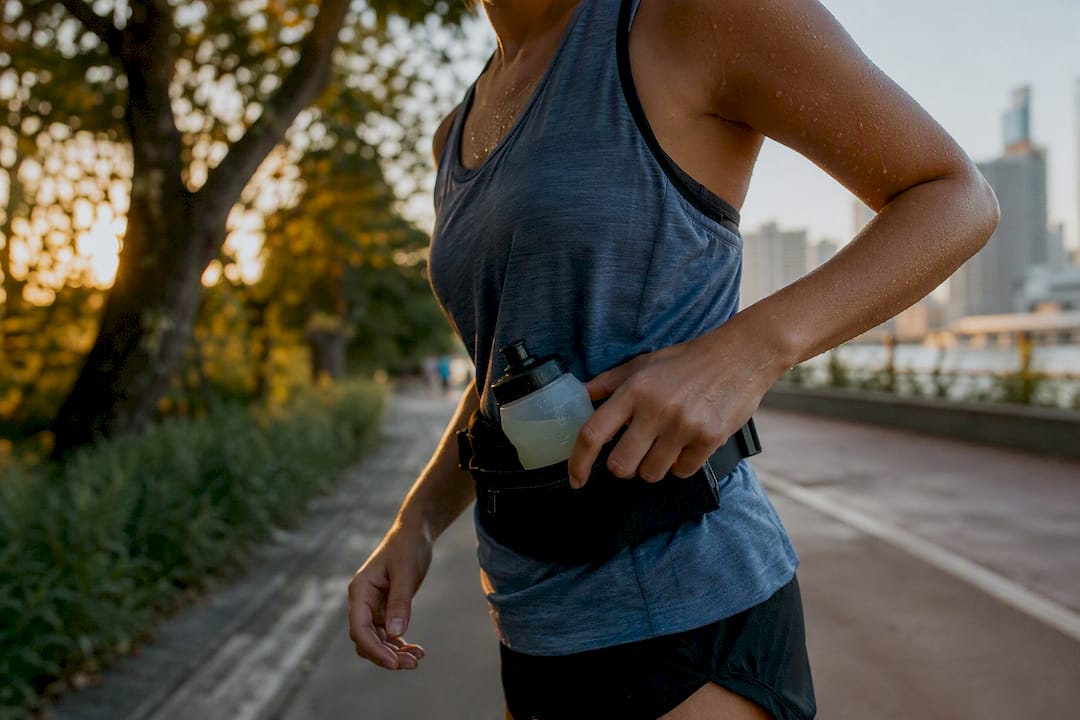
After exercise, rehydration status affects how fast fatigue actually lifts. Replacing roughly 1.5 times the fluid weight lost, rather than just matching it, accounts for ongoing losses through urine and sweat in the hours that follow. Skipping this step is one of the more common reasons people feel flat and heavy-legged the day after a hard session, even when they ate and slept fine. Hydration isn’t a single checkbox before a workout. It’s a status you carry into, through, and out of every session, and each phase has its own small correction that adds up.
Energy drinks with taurine and stimulants: benefits and real risks
Commercial energy drinks combine caffeine with taurine, and sometimes guarana, ginseng, or B vitamins, promising sharper focus and less perceived fatigue. Caffeine is the ingredient doing most of the work, and it works quickly on alertness and perceived effort, particularly when fatigue is already setting in.
Taurine’s role is murkier. It’s an amino acid involved in muscle contraction and cellular hydration, and it shows up in most commercial formulas at doses that mirror what’s used in small trials suggesting modest antioxidant and muscle-function support. But the evidence for taurine specifically reducing exercise fatigue, independent of the caffeine sitting alongside it, is thin and inconsistent.
The risks are where these drinks get complicated. High caffeine content, often 150 to 300 mg per can, stacked with other stimulants can push heart rate and blood pressure higher than a training session alone would, particularly for people who already drink coffee earlier in the day. Sugar content is often high too, which works against the fatigue-reduction goal by causing a blood sugar spike and later crash. Mixing energy drinks with intense exercise in hot conditions also raises dehydration risk, since caffeine has a mild diuretic effect.
If you want the alertness benefit without the stimulant stacking, a measured dose of caffeine on its own, from coffee or a simple caffeinated drink, gives you the same acute effect with a clearer sense of exactly how much you’re taking in. Read labels carefully if you already have any heart rhythm concerns or high blood pressure, and check with a doctor before combining high-stimulant drinks with intense training.
Glucose vs fructose: why the type of sugar in your drink matters
Not all carbohydrate in a recovery or sports drink behaves the same way once it hits your gut. Glucose absorbs quickly through a single transporter in the small intestine, which caps how much your body can take in per hour before it starts sitting in your stomach and causing discomfort. Fructose uses a separate transporter, so combining the two, rather than relying on glucose alone, lets your gut absorb more total carbohydrate per hour without the bloating or cramping that comes from overloading one pathway.
This is exactly why reviews of functional sports beverages point to glucose-fructose blends as more effective for prolonged exercise than single-sugar formulas: they increase exogenous carbohydrate oxidation, meaning your muscles actually burn more of the sugar you just drank, and they reduce the intestinal distress that can turn a long run or ride into a miserable one.
For shorter sessions, the sugar type matters less, since you’re not pushing anywhere near the absorption ceiling that makes fructose blending worthwhile. But for anything past 90 minutes, especially in heat, checking whether a drink lists both glucose (or dextrose, maltodextrin) and fructose on the label is worth the extra ten seconds. A drink built on glucose alone will still work. A blended one just lets you take in more fuel before your stomach starts complaining.
Matching your drink to your workout, not a general rule
The biggest mistake in this whole category is treating one drink as a universal fix. A 30-minute strength session, a 3-hour trail run, and a same-day double soccer tournament all produce fatigue through different mechanisms, and they call for different fluids.
Short, low-sweat sessions (under 45 minutes, moderate intensity): water covers it. Anything more is unnecessary sugar and cost.
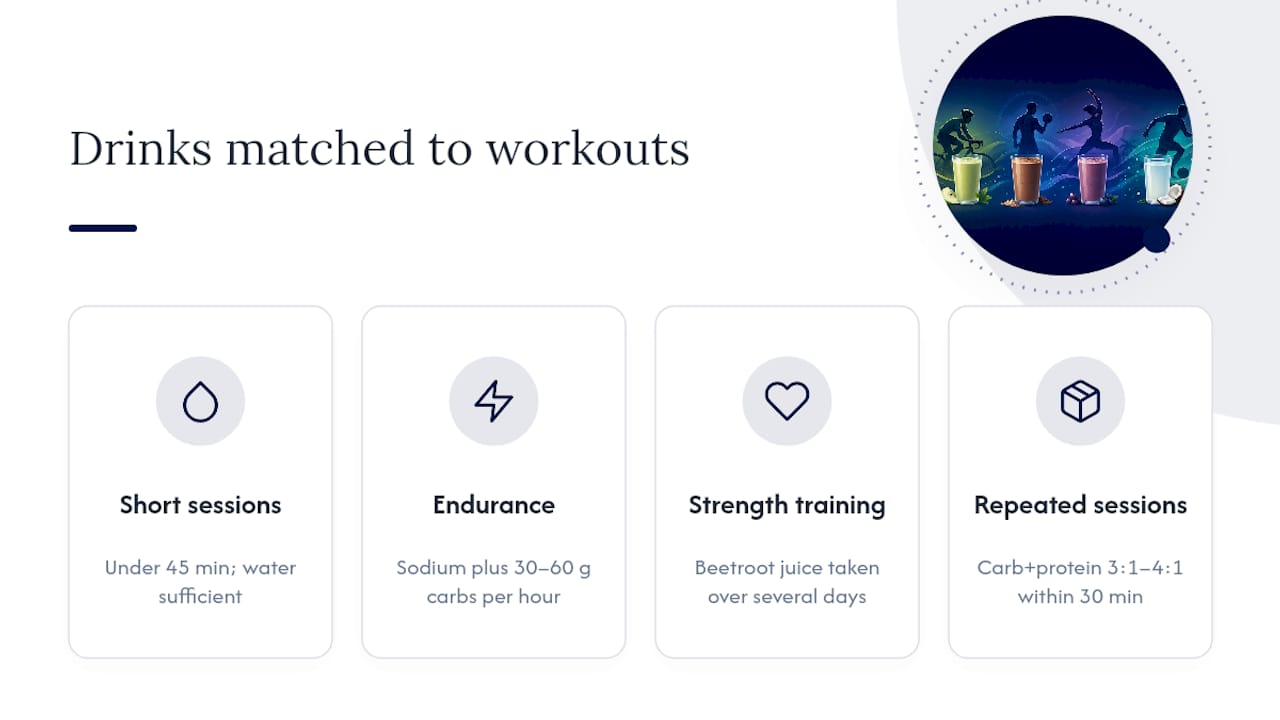
Long or hot endurance sessions: electrolyte and carbohydrate drinks matter here, with sodium and the 30 to 60 g/h carbohydrate target becoming genuinely relevant rather than optional.
Strength training, particularly heavier or power-focused blocks: beetroot juice, taken for several days rather than as a single pre-workout shot, has the clearest supporting data for reducing cardiovascular strain during the work.
Repeated sessions in a short window, two-a-days, tournaments, back-to-back training days, benefit most from carb+protein recovery drinks in that 3:1 to 4:1 ratio, taken within 30 minutes of finishing.
Early-morning or evening sessions where alertness is the limiter: caffeine, dosed and timed around your sleep schedule, does more for perceived fatigue than any recovery drink will.
The honest answer to “what should I drink to reduce fatigue” is never a single product. It’s whichever of these categories matches what your body actually loses and needs in that specific session, and adjusting as your training changes week to week.
A brand perspective on low-sugar recovery drinks
What gets lost in most fatigue-drink advice is that people don’t stop using what tastes bad, even if it works. That’s the tension we sit with at Drinksolidviibe: functional ingredients matter, but so does whether someone actually finishes the can. Prioritizing low sugar and real flavour, lemon-ginger, passionfruit, over a generic “sports formula” label isn’t a marketing choice. It’s what makes a recovery habit stick past week two.
Where to find Drinksolidviibe’s sparkling functional tonics
If the drinks above sound right in theory but the sugar content or flat taste of typical sports drinks puts you off, Drinksolidviibe fills that gap with sparkling tonics built on natural ingredients, low sugar, and no artificial additives, in flavours like lemon-ginger, passionfruit, and peach. Each can is nutrient-enriched with vitamins and minerals that support gut health and immunity, giving you a functional option for the days you want flavour and a modest wellness boost without the sugar load of a standard sports drink or energy drink.
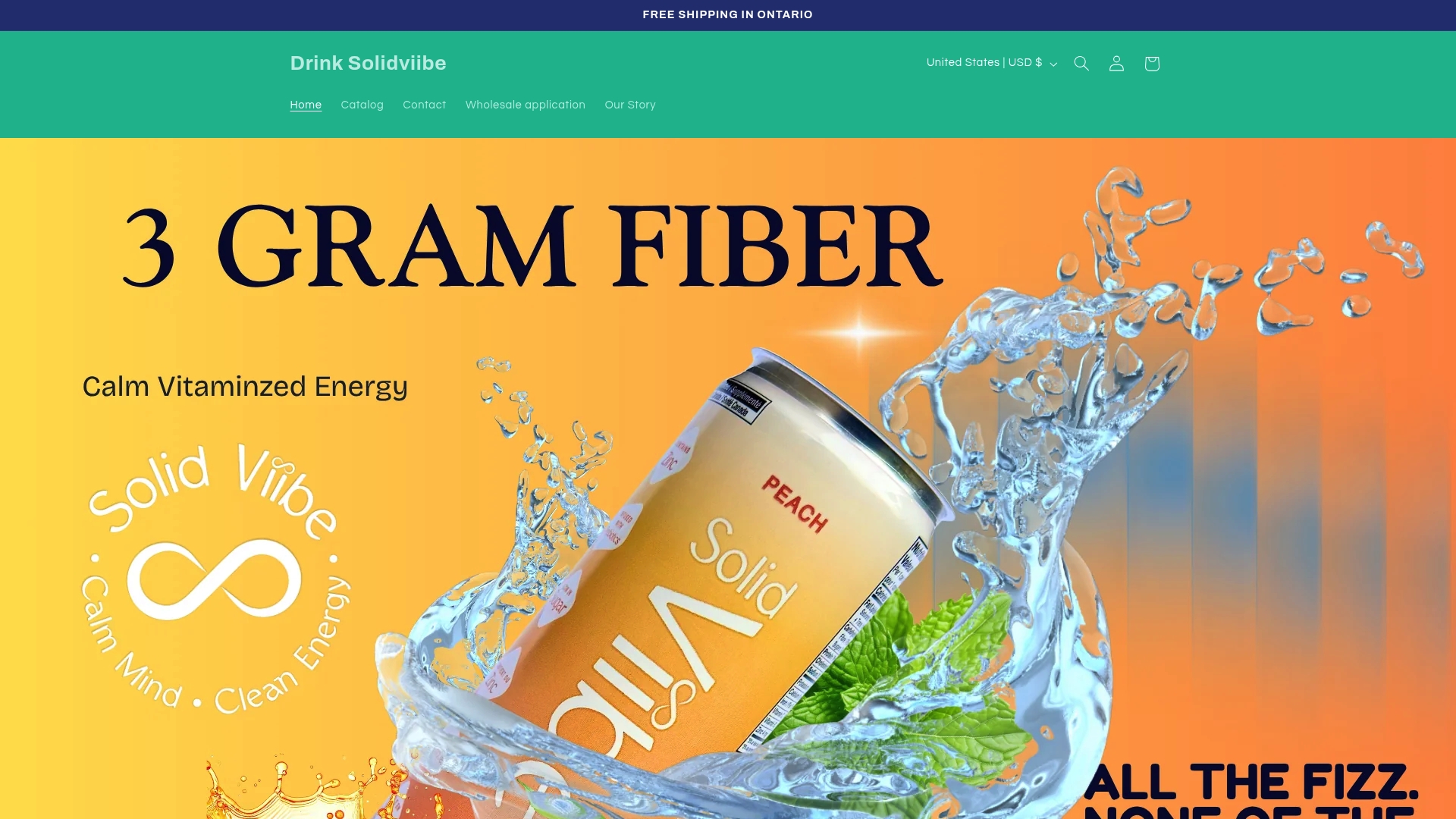
Whether you’re topping off hydration after a moderate workout or just want a better everyday alternative to soda, browse the full range of flavours and pack options and pick a variety pack to find your favourite.
Sources
- (carb-to-protein ratio guidance)
- Harvard Health Publishing — Fight fatigue with fluids
- Role of functional beverages on sport performance and recovery (PMC)
FAQ
What’s the single best drink to reduce exercise fatigue? There isn’t one universal answer. Water handles most short sessions, electrolyte drinks matter for long or hot workouts, and carb+protein drinks reduce next-day fatigue after repeat training sessions.
How much water should I drink to avoid fatigue during a workout? Roughly 150 to 250 mL every 15 to 20 minutes during exercise, with a larger 500 to 600 mL dose two to three hours beforehand.
Does chocolate milk actually work as a recovery drink? Yes. Its natural carbohydrate-to-protein ratio sits close to the 4:1 target sports nutrition guidance recommends, making it a practical, low-cost option after training.
Is beetroot juice better than caffeine for fatigue? They work differently. Caffeine improves acute alertness and perceived effort within an hour. Beetroot juice needs several days of intake and mainly reduces cardiovascular strain during strength or endurance efforts.
Are energy drinks with taurine safe for exercise fatigue? The caffeine in them helps alertness, but high stimulant doses stacked with sugar and heat can raise heart rate and dehydration risk. A plain caffeinated drink at a known dose is often the simpler, safer choice.


