
Fizzy drinks without artificial colours: your Canadian guide
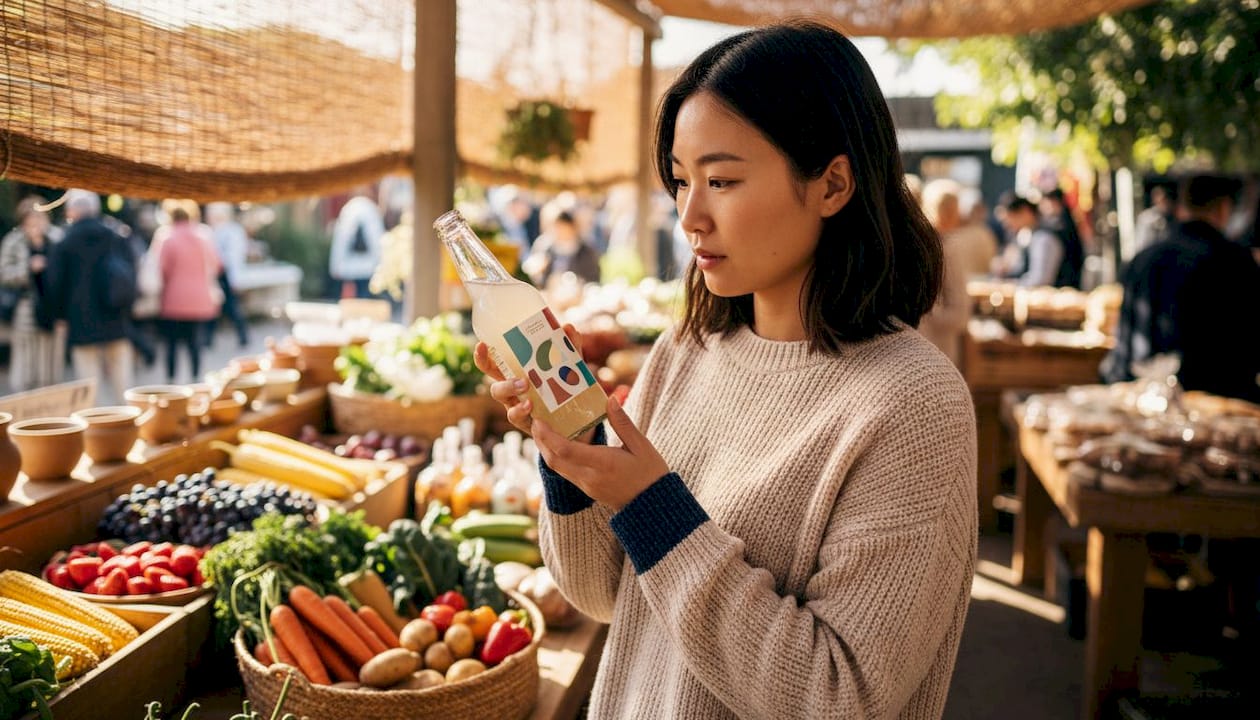
The best fizzy drinks without artificial colours use plant-derived pigments, fruit concentrates, or no colouring at all. You don’t have to give up a satisfying, bubbly drink to avoid synthetic dyes. The options below cover everything from sparkling water to functional sodas, with Drinksolidviibe standing out as a Canadian brand built specifically around this idea.
Here’s a quick look at the main categories worth knowing:
- Sparkling mineral water (plain or lightly flavoured): no colouring of any kind
- Naturally fermented sodas: colour comes from the fruit or root used in fermentation
- Plant-pigmented functional sodas: coloured with beta-carotene, anthocyanins, or fruit juice
- Dye-free flavoured seltzers: clear or lightly tinted from real fruit extract
- Drinksolidviibe sparkling beverages: lemon-ginger and passionfruit flavours, no synthetic dyes, designed for health-conscious Canadians
Consumer demand for natural fizzy beverages has shifted noticeably over the past few years. Shoppers are reading labels more carefully, and brands that relied on FD&C dyes are quietly reformulating.
Table of Contents
- What are artificial colours, and what replaces them in fizzy drinks?
- Natural and dye-free fizzy drinks you can find in Canada
- How to verify a fizzy drink is free from artificial colours
- Why Drinksolidviibe stands out for dye-free sparkling drinks in Canada
- Health benefits and risks of fizzy drinks without artificial colours
- Drinksolidviibe: the natural choice for sparkling drinks in Canada
- Key takeaways
What are artificial colours, and what replaces them in fizzy drinks?
Artificial colours in sodas are synthetic dyes derived from petroleum. The most common ones you’ll spot on a Canadian label include Red 40, Yellow 5, Yellow 6, Blue 1, and Blue 2, all regulated under the FD&C (Food, Drug, and Cosmetic) colour additive system. The U.S. FDA lists these as approved additives, though their safety has been debated, particularly around children’s behaviour. The European Food Safety Authority reviewed the Southampton study on food dyes and child behaviour, finding enough concern to recommend precautionary labelling across the EU.
Natural replacements work differently. Instead of a synthesised molecule, manufacturers use:
- Beta-carotene: gives yellow-orange tones, sourced from carrots or algae
- Anthocyanins: deep red and purple pigments from berries, red cabbage, or hibiscus
- Chlorophyll: green tones from plant matter
- Fruit and vegetable juice concentrates: carrot, pumpkin, turmeric, and beet are common
- Caramel colour (Class I or II): derived from heating sugar, used in cola-style drinks
One real-world example worth noting: European varieties of Fanta use natural colourings from carrots and pumpkins, while the North American version relies on artificial dyes. Same brand, very different formulas.
Natural pigments do behave differently in a bottle. Anthocyanins fade with light exposure; beta-carotene can shift hue at high temperatures. These stability challenges are part of why manufacturers historically preferred synthetics. Cornell University researchers have been developing beet-based alternatives that hold colour better, which points to where the science is heading.
Pro Tip: When reading a label, “natural flavour” and “natural colour” are not the same declaration. Look specifically for “no artificial colours” or a named plant source like “coloured with beta-carotene” to be sure.
Natural and dye-free fizzy drinks you can find in Canada
Canada’s retail shelves have expanded considerably when it comes to sparkling drinks with no dyes. Here’s what’s genuinely available and worth picking up:
- Drinksolidviibe sparkling beverages: lemon-ginger and passionfruit flavours built on natural ingredients, zero synthetic dyes, and a functional wellness angle. This is the Canadian brand doing it properly.
- Plain sparkling mineral water (brands like San Pellegrino or Perrier): no colouring at all, naturally carbonated or CO2-injected, widely stocked at grocery chains across Canada.
- Zevia: zero artificial colours, zero sugar, sweetened with stevia. Available at most major Canadian health food retailers and increasingly at mainstream grocery stores.
- Naturally fermented sodas: home-brewed or small-batch options using a ginger bug or champagne yeast. Fermentation expert Anne-Marie Bonneau notes that fresher, sweeter fruit produces better carbonation in these drinks. The colour comes entirely from the fruit itself.
- Adaptogen-infused sparkling drinks: a growing category of functional beverages that skip synthetic dyes in favour of plant extracts and real fruit pigments.
- Kombucha: naturally coloured by the tea and fruit used in fermentation, widely available in Canadian health food stores and many mainstream supermarkets.
- Sparkling fruit juice blends: look for products where the colour comes from named juice concentrates rather than added dyes.
The fermentation route deserves a mention for anyone curious about making their own. Using a ginger bug or champagne yeast creates natural carbonation through CO2 produced during fermentation, giving the drink a tangy, probiotic-rich character that commercial sodas simply don’t replicate.
Pro Tip: If you’re browsing kid-friendly sparkling options, prioritise products that list a named natural colour source on the label rather than relying on “no artificial colours” alone, since that phrase doesn’t always mean the drink is completely dye-free.
How to verify a fizzy drink is free from artificial colours
Label reading is the most reliable method, and it’s faster than you’d think once you know what to look for.
- Check the ingredient list, not the front panel. Marketing claims like “natural” or “clean” on the front are unregulated. The ingredient list is the legal declaration.
- Know the names to avoid. Common artificial colours on Canadian labels include: FD&C Red 40, FD&C Yellow 5 (tartrazine), FD&C Yellow 6, FD&C Blue 1, FD&C Blue 2, Allura Red, Sunset Yellow, and Brilliant Blue.
- Look for named natural sources. Phrases like “coloured with beta-carotene,” “contains beet juice,” or “coloured with fruit and vegetable juice” confirm a plant-based pigment.
- Understand what “no artificial colours” actually means. As A-GAME’s 2026 sports drink guide points out, this claim doesn’t guarantee the absence of all synthetic colourants. Some products use nature-identical compounds that technically qualify as “natural” under certain regulatory definitions.
- Check for certifications. USDA Organic, Non-GMO Project Verified, and Canada Organic seals don’t automatically ban artificial colours, but certified organic products are prohibited from using synthetic dyes under organic standards.
- Use the brand’s website. Most transparent brands publish full ingredient lists and FAQs online. If a brand won’t tell you where its colour comes from, that’s informative on its own.
When shopping online, filter by “no artificial colours” or “natural ingredients” and then cross-reference the ingredient list on the product page before buying.

Why Drinksolidviibe stands out for dye-free sparkling drinks in Canada
Drinksolidviibe was built around a specific idea: that a sparkling drink can taste genuinely good without relying on synthetic dyes, excess sugar, or artificial flavours. The brand’s lemon-ginger and passionfruit flavours get their character from real functional ingredients, not lab-synthesised approximations.
The functional beverage angle sets Drinksolidviibe apart from plain sparkling water or basic flavoured seltzers. These drinks are formulated with wellness in mind, appealing to consumers who want something more purposeful than a standard soda but more satisfying than flat water.
Customer feedback consistently highlights the natural taste profile and the absence of the artificial aftertaste that synthetic dyes and sweeteners tend to leave. For Canadians navigating an increasingly crowded shelf of “better-for-you” drinks, that clarity of ingredients carries real weight.
Pro Tip: Drinksolidviibe’s variety pack is a practical way to try both flavour profiles before committing to a single option. It’s also a straightforward gift for anyone trying to cut back on conventional sodas.
Health benefits and risks of fizzy drinks without artificial colours
Cutting synthetic dyes from your sparkling drink is a meaningful step, but the full health picture depends on what else is in the bottle.
On the benefit side, avoiding FD&C dyes removes a category of additives that has drawn regulatory scrutiny. The FDA announced plans to phase out petroleum-based synthetic dyes from the U.S. food supply, reflecting growing concern about their long-term effects. Naturally coloured drinks that use fruit and vegetable pigments like anthocyanins may carry minor antioxidant properties from those plant sources, though the amounts in a beverage are generally modest.
Carbonation itself is well-tolerated by most people. Plain sparkling water has no meaningful negative effect on bone density or tooth enamel compared to still water, though acidic flavoured seltzers can affect enamel with frequent exposure. Functional sparkling drinks that include ingredients like ginger carry their own potential benefits: ginger has a documented history of supporting digestion and reducing nausea.
The risks in this category are mostly about what replaces the removed ingredients. A dye-free soda that’s still high in sugar or loaded with artificial sweeteners hasn’t improved much. Some natural colour sources, like caramel colour, have their own debated safety profiles. Reading the full ingredient list, not just the colour declaration, gives you the complete picture. For anyone with specific sensitivities, checking with a healthcare provider before adding a new functional beverage to a daily routine is a reasonable step.
Drinksolidviibe: the natural choice for sparkling drinks in Canada
If you’ve been looking for a fizzy drink that skips the synthetic dyes without sacrificing flavour, Drinksolidviibe is the answer built for the Canadian market. The Solidviibe variety pack gives you 12 cans across the lemon-ginger and passionfruit flavours, both free from artificial colours, artificial sweeteners, and the excess sugar that makes conventional sodas a daily compromise.
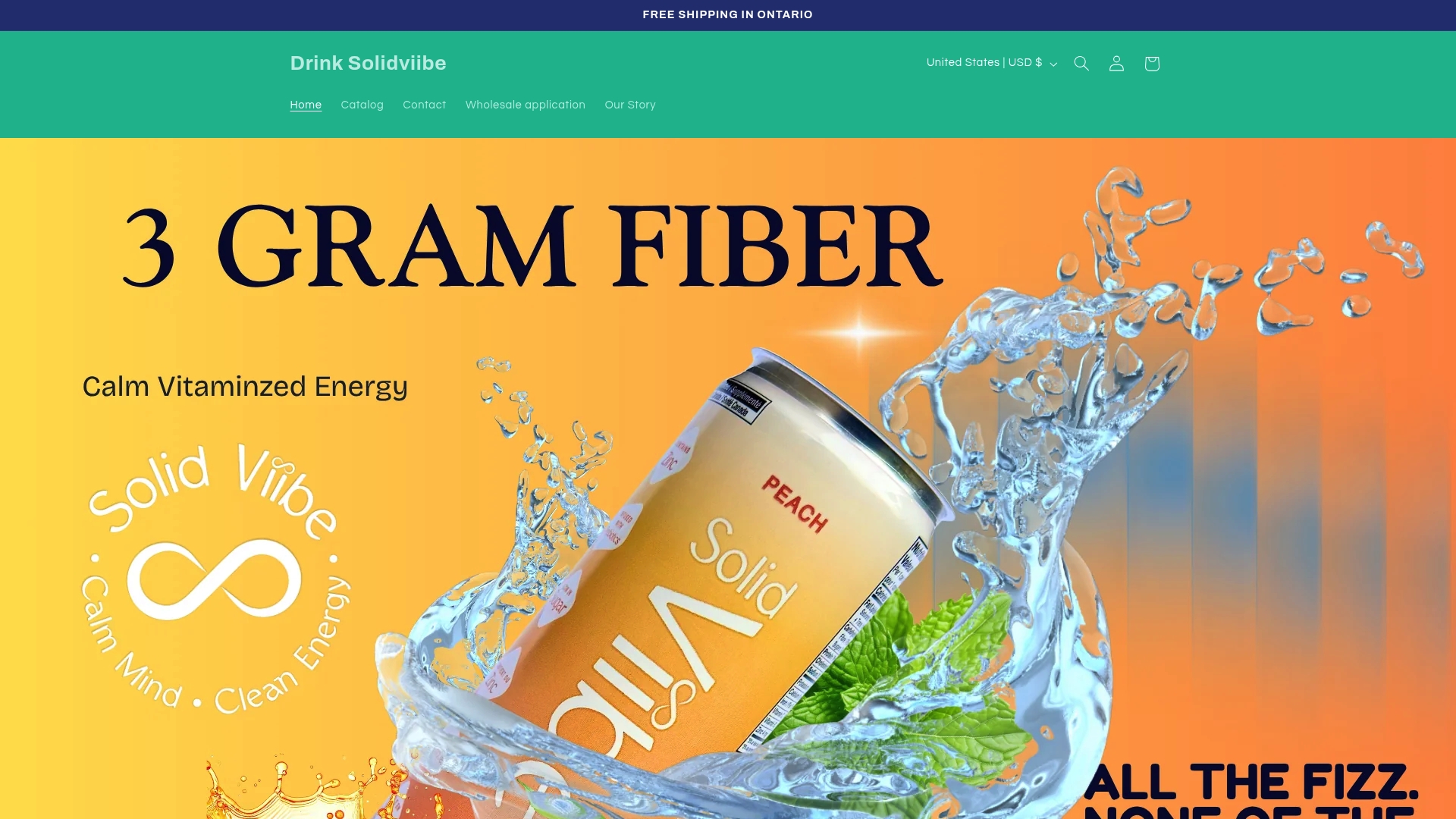
This isn’t a sparkling water with a hint of fruit. Drinksolidviibe’s formulas are functional, meaning the ingredients are chosen for what they do, not just how they taste. The lemon-ginger option brings a clean, sharp brightness that works as well mid-afternoon as it does alongside a meal. Passionfruit delivers a tropical depth that feels genuinely indulgent without the guilt of a conventional soda.
Health-conscious Canadians who want a credible, clean-label alternative to sugary drinks now have a local brand worth trusting. Try the lemon-ginger flavour or the passionfruit option individually, or grab the variety pack and find your go-to.
Key takeaways
Fizzy drinks without artificial colours are widely available in Canada, and choosing them means reading ingredient lists carefully rather than trusting front-of-pack claims.
| Point | Details |
|---|---|
| Artificial colours to avoid | FD&C Red 40, Yellow 5, Yellow 6, Blue 1, and Blue 2 are the most common synthetic dyes in sodas. |
| Natural colour sources | Plant pigments like beta-carotene, anthocyanins, and fruit juice concentrates replace synthetic dyes in clean-label drinks. |
| Label reading is essential | “No artificial colours” on the front panel doesn’t always mean fully dye-free; check the ingredient list for named natural sources. |
| Health picture is broader | Removing synthetic dyes helps, but the full benefit depends on what else is in the drink, including sugar and sweetener levels. |
| Drinksolidviibe | A Canadian brand offering lemon-ginger and passionfruit sparkling beverages with no artificial colours, sweeteners, or synthetic dyes. |


