
Functional beverages for performance: your 2026 guide

Functional beverages for performance are specially formulated drinks designed to enhance hydration, energy, and recovery without added sugars or artificial additives. The market has shifted decisively toward products that deliver stacked benefits per sip, combining hydration, energy, recovery, and digestive comfort in a single can or bottle. Active individuals no longer accept a trade-off between taste and function. The best performance drinks deliver both, and the science behind ingredient selection has never been more precise or more accessible.
1. What are functional beverages for performance?
Functional beverages are drinks formulated with specific bioactive ingredients to produce measurable physiological effects beyond basic nutrition. They differ from standard sports drinks in that they target multiple outcomes simultaneously, such as hydration plus muscle recovery, or sustained energy plus electrolyte balance.
The industry recognises four core benefit categories: hydration, energy, recovery, and digestive comfort. A well-designed functional drink addresses at least two of these without relying on artificial colours, synthetic sweeteners, or excessive sugar. That combination is what separates nutritional performance beverages from the sugary sodas they are replacing on gym bags and training tables across Canada.
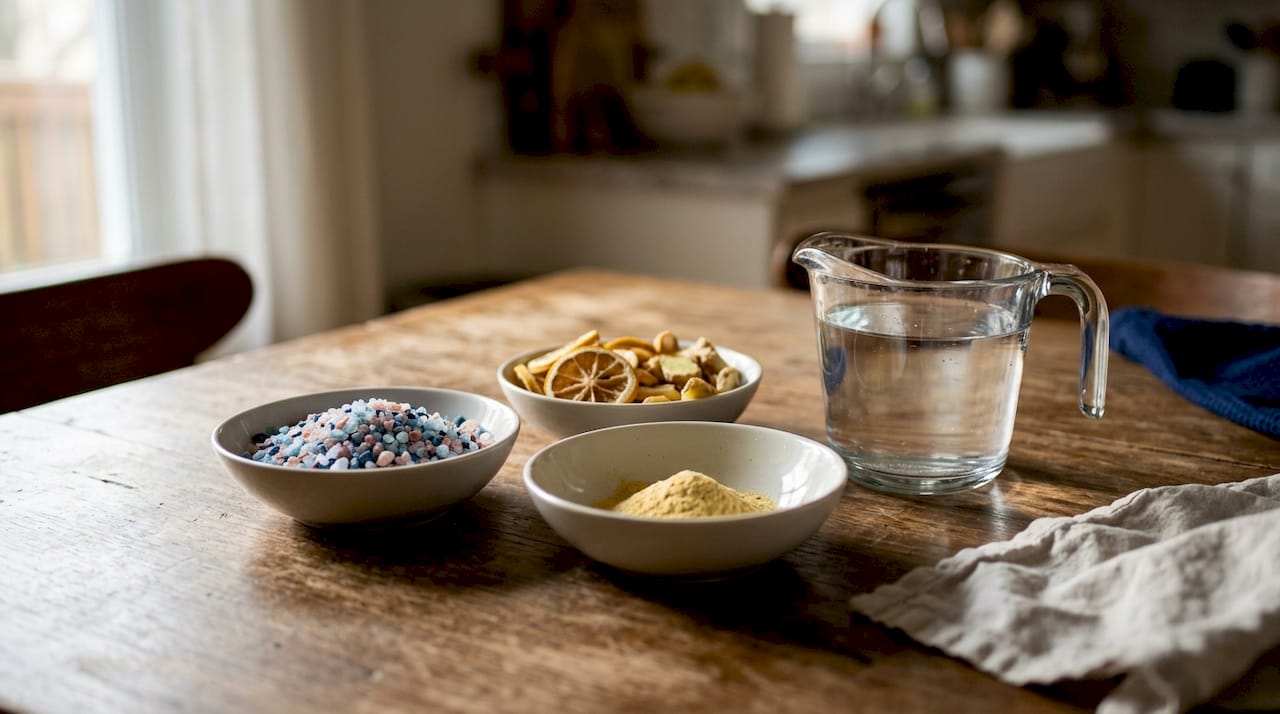
2. What are the essential ingredients in functional beverages that enhance athletic performance?
The most effective performance-enhancing drinks share a short list of proven ingredients. Each one plays a specific role in how your body performs and recovers.
- Electrolytes (sodium, potassium, magnesium): Sodium stimulates thirst, increases fluid absorption, and reduces cramp risk. Potassium supports nerve function. Magnesium is involved in over 300 biochemical processes, including muscle contraction and energy metabolism, making it a cornerstone of any recovery-focused formula.
- B vitamins (B1, B2, B3, B6, B12): B vitamins are depleted during sweating and replenishing them supports sustained energy output and reduces fatigue during intense training sessions.
- Amino acids: Essential amino acids, particularly branched-chain amino acids (BCAAs), support muscle protein synthesis and reduce post-exercise soreness. They are most effective when consumed during or immediately after training.
- Carbohydrates with optimised ratios: A 3:1 glucose-to-fructose ratio increases calorie uptake efficiency by up to 30% and reduces gastrointestinal distress by using different intestinal absorption pathways simultaneously.
- Natural caffeine: Sourced from green tea or guarana, natural caffeine improves focus and delays fatigue without the sharp crash associated with synthetic stimulants.
Pro Tip: Look for drinks that list electrolytes in milligrams per serving, not just “electrolyte blend.” Specific amounts tell you whether the dose is therapeutic or merely cosmetic.
3. Which functional beverage types best support hydration during different types of physical activity?
Hydration needs change significantly depending on how hard and how long you train. Choosing the wrong formula can slow absorption, cause gut discomfort, or leave you under-fuelled mid-session.
| Activity type | Best beverage format | Key formula features |
|---|---|---|
| Low-intensity, under 60 minutes | Low-calorie electrolyte water | Sodium, potassium, no carbs needed |
| Moderate intensity, 60–90 minutes | Isotonic drink | 100 calories or less, sodium, B vitamins |
| High-intensity, 90 minutes to 3 hours | Full isotonic formula | Glucose-fructose blend, magnesium, sodium |
| Hot weather or heavy sweating | High-sodium electrolyte drink | Elevated sodium, potassium, fluid retention support |
Isotonic drinks mimic body fluids for rapid digestion and absorption, which prevents the low-energy feeling that derails high-intensity workouts. For sessions under 60 minutes, a simple low-calorie electrolyte drink with sodium and potassium is sufficient. Adding carbohydrates before your body needs them creates unnecessary caloric load without performance benefit.
Effective hydration mixes for exercise lasting up to 90 minutes target 100 calories or less to maintain gut comfort. That figure is a practical ceiling, not a marketing claim. Exceeding it during moderate-intensity work often causes bloating and slows fluid uptake.
4. What options provide energy without added sugars or artificial ingredients?
Clean energy in a functional drink comes from three sources: natural caffeine, low-glycaemic carbohydrates, and B vitamins. The goal is sustained output, not a spike followed by a crash.
- Natural caffeine at evidence-based doses: Doses between 100mg and 200mg per serving improve endurance and reaction time without triggering anxiety or heart rate spikes in most active adults. Green tea extract and guarana are the cleanest sources.
- Low-GI carbohydrates like isomaltulose (Palatinose™): Isomaltulose releases glucose slowly and steadily, avoiding the blood sugar peaks that follow high-GI sugars. It provides sustained fuel for longer sessions without a mid-workout energy drop.
- Multiple carbohydrate sources: Using multiple carb sources allows the gut to absorb more energy per hour because each sugar type uses a different transport pathway. Single-source carbohydrate drinks hit an absorption ceiling that blended formulas avoid.
- B vitamin complex: B vitamins do not provide calories, but they are co-factors in the metabolic reactions that convert food into usable energy. Depleted B vitamins mean slower energy production, even when carbohydrate intake is adequate.
- Avoiding artificial sweeteners: Sucralose and acesulfame-K alter gut microbiome composition with regular use. Natural sweeteners like stevia or monk fruit deliver sweetness without that risk.
Drinksolidviibe’s approach centres on natural functional flavours, including lemon-ginger and passionfruit, that deliver refreshment alongside real performance ingredients. The result is a drink you actually want to reach for before a run, not one you force down because it is “good for you.”
5. Which functional beverages optimise recovery after exercise?
Recovery is where most active individuals leave performance on the table. The window immediately after training is when your body is most receptive to the nutrients that repair muscle and restore electrolyte balance.
- Magnesium for muscle repair: Magnesium contributes to reducing tiredness and supports over 300 biochemical processes, including the muscle repair pathways activated after resistance or endurance training.
- Sodium and potassium for rehydration: Replacing electrolytes lost through sweat restores fluid balance faster than plain water. Sodium in particular drives fluid retention, which is critical in the first hour after exercise.
- Essential amino acids: A complete amino acid profile in a recovery drink reduces muscle protein breakdown and accelerates the repair of micro-tears caused by training.
- Vitamin D3: Vitamin D3 supports muscle function and immune health, both of which are stressed by high training volumes. Many active Canadians are deficient, particularly through the winter months, making it a high-value addition to recovery drinks.
- Clean label formulas: Recovery drinks with short ingredient lists are easier to absorb and easier to trust. If you cannot identify an ingredient, your gut probably cannot process it efficiently either.
Pro Tip: Drink your recovery beverage within 30 minutes of finishing your session. That window is when muscle glycogen replenishment and protein synthesis rates are highest.
6. How to choose the right functional beverage for your performance goals
Selecting the right drink comes down to matching the formula to your specific training demands, not buying the product with the longest ingredient list.
- Match intensity to carbohydrate content. Low-intensity sessions need electrolytes, not carbs. High-intensity sessions over 90 minutes need both.
- Set a sugar ceiling. For a low-calorie drink suited to an active lifestyle, look for 5g of sugar or less per serving. That threshold keeps insulin response low while still supporting flavour.
- Prioritise flavour you enjoy. Taste drives repeat purchase and repeat purchase drives cumulative benefit. A drink you skip is a drink that does nothing for your performance.
- Limit active ingredients to 2–3 proven benefits. Overloading a formula with too many actives compromises taste and solubility. The best functional drinks for athletes focus on doing a few things exceptionally well.
- Experiment across activity types. Use a hydration-focused drink for weekday runs and a recovery-focused formula after weekend long rides or strength sessions. No single drink is optimal for every context.
- Read the electrolyte panel. Sodium should appear first among electrolytes. A drink listing sodium below 100mg per serving will not meaningfully support hydration during moderate or intense exercise.
Pro Tip: Try a sparkling beverage variety pack before committing to a single flavour. Taste fatigue is real, and rotating flavours keeps consumption consistent.
Key takeaways
Functional beverages for performance work best when they combine 2–3 science-backed benefits, use clean natural ingredients, and deliver a flavour experience that makes daily consumption realistic.
| Point | Details |
|---|---|
| Ingredient quality over quantity | Limit formulas to 2–3 proven actives; more ingredients often compromise taste and absorption. |
| Electrolytes are non-negotiable | Sodium, potassium, and magnesium support hydration, cramp prevention, and muscle repair. |
| Match the drink to the session | Low-intensity workouts need electrolytes; high-intensity sessions over 90 minutes need carbs too. |
| Taste determines consistency | A drink you enjoy consuming regularly delivers far more cumulative benefit than one you avoid. |
| Recovery window matters | Consume recovery-focused drinks within 30 minutes post-exercise for maximum muscle repair benefit. |
What I have learned from years of watching active people choose the wrong drink
Most active individuals overthink ingredients and underthink taste. I have watched people buy technically superior formulas, use them twice, and go back to plain water because the drink tasted like chalk dissolved in a puddle. That is not a minor inconvenience. It is a complete failure of the product’s purpose.
The science on electrolytes, B vitamins, and carbohydrate ratios is settled. What is not settled is whether you will actually drink the thing. A product that sits in your gym bag is not a performance drink. It is an expensive reminder of good intentions.
The other mistake I see constantly is chasing maximum ingredient density. More actives do not mean more benefit. They often mean worse taste, poorer solubility, and a formula that your gut rejects mid-run. The best functional drinks for athletes I have come across focus on two or three things and do them exceptionally well. That restraint is a feature, not a limitation.
Drinksolidviibe gets this right. The lemon-ginger and passionfruit profiles are genuinely enjoyable, which means people actually drink them consistently. Consistent consumption is where the real performance gains live.
— Sharon
Drinksolidviibe: functional sparkling beverages built for active living
Active individuals deserve a drink that works as hard as they do without loading them up with sugar, artificial colours, or ingredients they cannot pronounce.
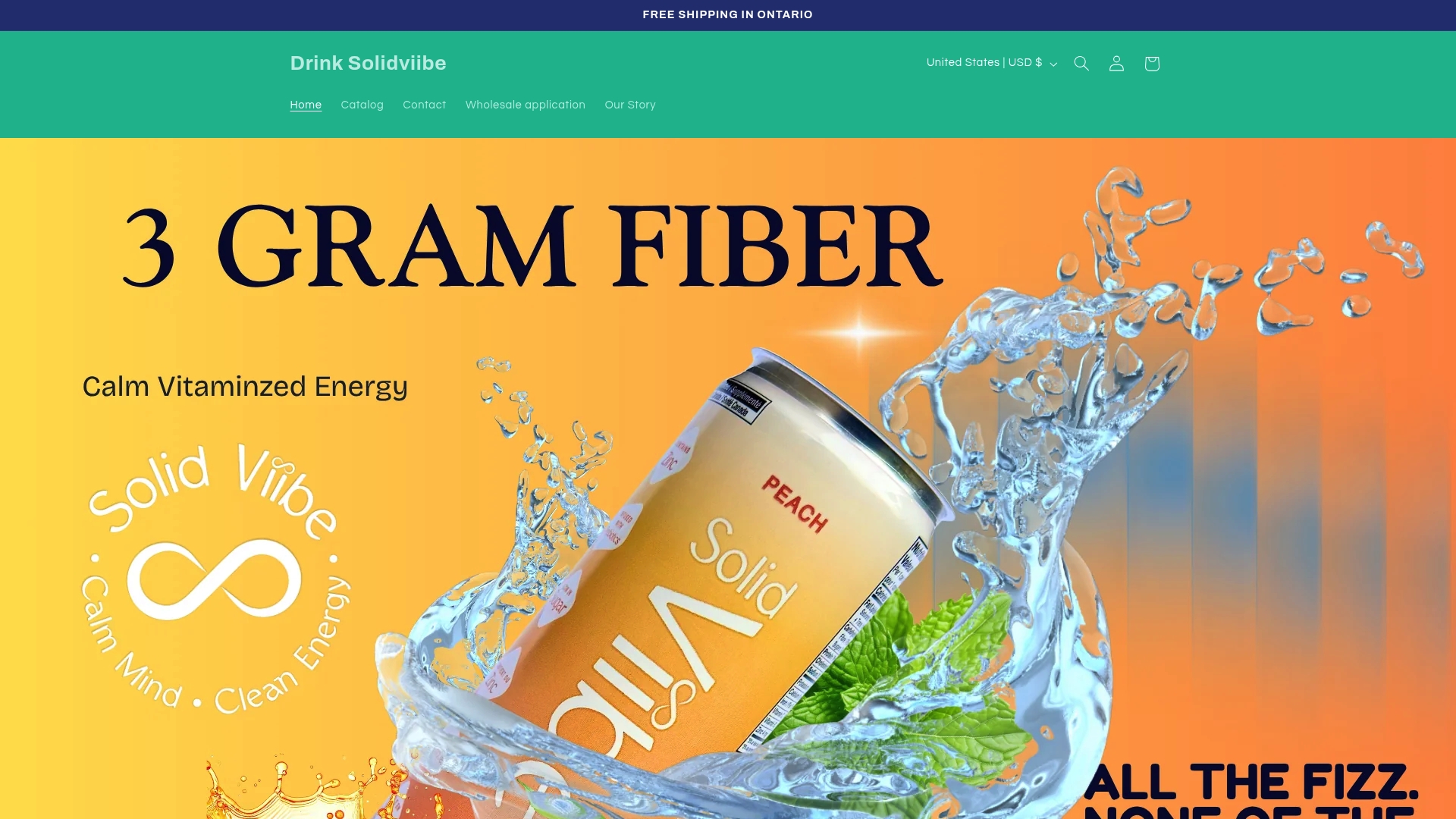
Drinksolidviibe crafts sparkling functional beverages using natural ingredients and real flavour profiles, including lemon-ginger, passionfruit, and peach, designed for people who train hard and want their recovery drink to taste like a reward. Each formula is built around clean-label principles: low sugar, natural functional ingredients, and a sparkling format that makes hydration feel like something you want rather than something you have to do. The Solidviibe variety pack is the easiest way to find your go-to flavour and build a daily performance habit that actually sticks.
FAQ
What are functional beverages?
Functional beverages are drinks formulated with bioactive ingredients, such as electrolytes, vitamins, amino acids, or natural caffeine, to produce specific health or performance benefits beyond basic hydration or nutrition.
How do functional drinks differ from regular sports drinks?
Regular sports drinks typically focus on carbohydrates and basic electrolytes. Functional beverages for performance combine multiple benefit categories, such as hydration, energy, and recovery, using cleaner, lower-sugar formulas.
How much sugar should a performance drink contain?
Effective hydration drinks for sessions up to 90 minutes target 5g of sugar or less per serving, or are calorie-free, while still delivering the electrolytes needed to prevent cramping and maintain fluid balance.
When should I drink a recovery beverage?
Consume a recovery-focused functional drink within 30 minutes of finishing your session. That window is when muscle glycogen replenishment and protein synthesis are most active, making nutrient delivery most effective.
Are sparkling functional beverages as effective as still ones?
Yes. Carbonation does not meaningfully affect electrolyte absorption or ingredient efficacy. Sparkling formats can improve drinkability and encourage consistent consumption, which is the real driver of cumulative performance benefit.
Recommended
- Solidviibe Sparkling Beverage Variety Pack - 12 Cans (Lemon-Ginger, Pe – Drink Solidviibe
- Solidviibe Lemon Ginger — Functional Sparkling Beverage – Drink Solidviibe
- Solidviibe Passionfruit — Functional Sparkling Beverage – Drink Solidviibe
- Solidviibe Peach — Functional Sparkling Beverage – Drink Solidviibe


