
For Cocktails, Cooking, or Nausea: Pick Ginger Beer vs Ginger Ale

Ginger beer is the bolder, spicier brew; ginger ale is the milder, sweeter soda, and the gap comes down to how each one is made. Ginger beer traditionally gets its punch from fermentation or heavily concentrated ginger; ginger ale usually relies on extract and forced carbonation for a lighter, more consistent taste. Reach for ginger beer when a cocktail needs to fight back against dark rum or vodka. Reach for ginger ale when you just want something easy to sip.
TL;DR:
- Ginger beer generally contains more intense, spicy, and sometimes fermented flavor profiles, with smaller-batch varieties offering higher heat due to real ginger root.
- Commercial ginger ale is produced mainly with ginger extract or syrup, resulting in a milder, sweeter, and more uniform taste that is ideal for mixing and casual sipping.
- Both drinks have similar acidity levels, but ginger beer’s assertiveness makes it the better choice for bold cocktails, while ginger ale suits lighter spirits or solo enjoyment.
- Checking ingredient lists for real ginger content and lower sugar options is essential, as many products use flavoring or artificial additives that diminish their health benefits.
- Proper storage and handling are crucial to maintain carbonation and flavor, with fermented ginger beers requiring refrigeration from purchase to preserve live cultures.
Table of Contents
- Ginger beer vs ginger ale: what makes ginger beer different
- What is ginger ale: the milder, sweeter soda
- Ginger ale vs ginger beer taste: the differences at a glance
- When to use ginger beer versus ginger ale
- Health and nutrition: sugar, ginger, and acidity
- How to pick the right ginger soda at the store
- Why a lower sugar ginger tonic can beat both
- Ginger sodas around the world: styles and standouts
- Storage and shelf life: keeping both drinks fresh
- Texture and carbonation: how the two drinks actually feel
- An editorial take on picking the right ginger drink
- Try Drink Solidviibe for real ginger flavour without the sugar hit
- Sources
Ginger beer vs ginger ale: what makes ginger beer different
Ginger beer started in England during the 18th and 19th centuries as a fermented drink, brewed with ginger root, sugar, and a yeast or bacterial culture, sometimes producing a noticeable alcoholic content around 11% ABV. That brewing tradition is the reason ginger beer earned a reputation for heat rather than sweetness. Modern commercial ginger beer splits into two camps: some brands still brew or ferment for that cloudy, sediment flecked look and sharper bite, while most large producers simply carbonate a concentrated ginger syrup under pressure.
Either way, the flavour lands the same: intense, peppery, almost bracing on the back of the throat. That’s the quality bartenders and beverage writers consistently point to when describing why ginger beer reads as the “grown up” option.
- Historically brewed and fermented, sometimes with real alcohol content
- Modern versions are mostly non-alcoholic or carry only trace amounts, often under 0.5% ABV
- Flavour is spicier, more ginger forward, and frequently cloudy or lightly sedimented
Premium brands still lean on pressed or concentrated ginger root, which is why a small-batch ginger beer can taste noticeably hotter than a mass-market can from the same shelf.
What is ginger ale: the milder, sweeter soda
Ginger ale comes in two recognizable styles: pale (or dry) ginger ale, first popularized in Canada in the early 1900s, and golden ginger ale, a darker, slightly spicier variation closer to ginger beer in character. Both are produced today mostly with ginger extract or syrup, sugar or a sugar substitute, and forced carbonation rather than fermentation. That production choice is exactly why ginger ale tastes so uniform from can to can and bottle to bottle.
Ginger ale’s flavour sits on the sweeter, gentler end of the spectrum, closer to a flavoured soda than a spiced tonic. McGill University’s Office for Science and Society notes that most commercial versions of both drinks are simply carbonated rather than brewed, with ginger ale leaning harder on extract for consistency.
- Two main styles: pale/dry (crisp, light) and golden (deeper, slightly spicier)
- Produced with ginger extract or syrup and forced carbonation, rarely fermented
- Clear, light bodied, and mild enough to double as a stomach settling home remedy
- Long history as the go to mixer for lighter highballs
Ginger ale vs ginger beer taste: the differences at a glance
The two drinks diverge on nearly every practical axis a shopper or bartender cares about. Ginger beer brings heat and depth; ginger ale brings sweetness and restraint. Production explains most of it: fermentation and concentrated ginger root push flavour compounds harder than a metered dose of extract ever will.
| Factor | Ginger beer | Ginger ale |
|---|---|---|
| Flavour intensity | Strong, spicy, peppery | Mild, sweet, subtle |
| Production | Brewed/fermented or heavily concentrated, then carbonated | Extract or syrup based, forced carbonation |
| Appearance | Often cloudy, sometimes sedimented | Clear, pale gold to amber |
| Typical ABV | Usually 0% or trace, historically higher | 0%, no fermentation history to speak of |
| Best paired with | Dark rum, vodka, whisky | Light spirits, or on its own |
Pro Tip: Pour both side by side over ice with no mixer. The ginger beer should hit your nose before it hits your tongue. If it doesn’t, you’re probably holding a lightly spiced ginger ale in different packaging.
Lab testing on commercial samples of both drinks shows pH values typically landing around 3.0 to 3.5, putting them in roughly the same acidity range as most sodas. What surprises a lot of people: sugar content between the two is often comparable despite the very different flavour intensity. Ginger beer just masks its sweetness better under all that spice.
So which one “stands up” to a cocktail? Ginger beer, without much competition. Its assertive flavour holds its ground against dark spirits, where ginger ale would simply disappear.
When to use ginger beer versus ginger ale
Matching the drink to the moment saves you from a flat, forgettable cocktail or an overpowering mocktail.
- Bold cocktails: Ginger beer is the standard choice for a Moscow Mule or a Dark ‘n’ Stormy because vodka and dark rum need a mixer with real backbone. Swap in ginger ale and the drink turns noticeably softer and sweeter, which some people actually prefer.
- Lighter highballs and casual sipping: Ginger ale works as a standalone soda or a gentle mixer with lighter spirits like gin or blended whisky.
- Upset stomachs: Either can work as a home remedy, but the nausea relieving effect comes from actual ginger content, not carbonation, so check the label rather than assuming.
- Cooking and baking: Recipes that need real ginger heat (marinades, glazes, gingerbread) do better with ginger beer or fresh ginger than with extract based ginger ale.
Health and nutrition: sugar, ginger, and acidity
Both drinks can carry a lot of added sugar, and the label is the only honest way to know for sure. A “regular” ginger ale or ginger beer often runs close to a standard cola in sugar per can, even though it doesn’t taste as sweet going down.
Ginger itself has a real, documented history of easing mild nausea and supporting digestion, which is part of why parents have handed kids flat ginger ale for generations. The catch: that benefit depends on how much actual ginger is in the bottle, and many commercial sodas lean on flavouring rather than meaningful ginger content. The acidity sitting around pH 3.0 to 3.5 is also worth knowing if you’re sipping either one daily, since that level of acid isn’t gentle on enamel over time.
- Check grams of sugar per serving, not just per bottle, since serving sizes vary
- Look for “ginger root,” “ginger juice,” or “ginger extract” high on the ingredient list
- Treat either drink as an occasional pick rather than a daily habit if you’re managing sugar intake
How to pick the right ginger soda at the store
Skip the marketing copy and read the ingredient panel first. Phrases like “brewed,” “fermented,” “made with ginger juice,” or “contains real ginger root” signal a product built for flavour rather than shelf stability. The FDA requires ingredient and nutrition labelling on packaged beverages, so that information is always there if you look for it.
- Scan the sugar line first, then check whether ginger appears near the top of the ingredients
- Compare two brands side by side using nose, heat, sweetness, and finish as your checklist
Pro Tip: Buy two brands you’ve never tried and taste them back to back. The difference in heat alone will tell you more about the ginger ale vs ginger beer split than any label ever could.
Why a lower sugar ginger tonic can beat both
Ginger ale and ginger beer both solve for flavour, not wellness. That gap is exactly where Drinksolidviibe’s lemon ginger drink fits: a sparkling tonic built around real ginger character with less added sugar than a standard soda can. It suits health conscious drinkers, home bartenders who want ginger flavour in a mixer without the extra sugar load, and anyone leaning on ginger for nausea relief who’d rather skip the syrup that usually comes with it.
Ginger sodas around the world: styles and standouts
Ginger ale and ginger beer both travel well, but regional habits shape what “normal” looks like on the shelf. Pale dry ginger ale became a Canadian staple early in the 20th century and stayed the dominant style across North America, prized for its light body and mixability. The United Kingdom and its former colonies, by contrast, kept the ginger beer tradition alive longer, and Jamaica in particular built a reputation for punchy, fiery ginger beer that shows up constantly in Caribbean cooking and drink culture.
Golden ginger ale, closer in colour and spice to ginger beer, has more of a foothold in parts of the Caribbean and among smaller craft producers who want a middle ground between the two styles. Bermuda claims the Dark ‘n’ Stormy as a point of national pride, and that drink only works with a genuinely spicy ginger beer, not the pale extract based version.
Craft and small-batch producers worldwide have leaned into fermented, cloudy ginger beer over the last decade, chasing the same brewed character that mass-market brands abandoned generations ago for consistency and shelf stability. That shift has pulled ginger beer back toward its fermented roots even as most grocery store shelves still stock the carbonated, extract based version for both drinks. If you’re shopping outside your home market, don’t assume a “ginger ale” on a foreign shelf tastes like the one you grew up with. Regional recipes for both drinks vary enough that the label alone won’t tell you the whole story.
Storage and shelf life: keeping both drinks fresh
Unopened cans or bottles of either ginger ale or ginger beer last well past a year when stored in a cool, dark spot away from direct sunlight and heat, thanks to their acidity and carbonation acting as natural preservatives. Check the best before date printed on the package as your baseline, since exact shelf life varies slightly by brand and packaging.
Once opened, both drinks lose carbonation fast. Plan to finish an open bottle within one to two days if you want it to still taste properly fizzy, and always reseal or refrigerate promptly to slow the flattening process. Fermented, small-batch ginger beers behave a little differently: because some retain live cultures, they can continue developing flavour and pressure even after bottling, which is why a few producers recommend refrigeration from the moment you buy them rather than after opening.
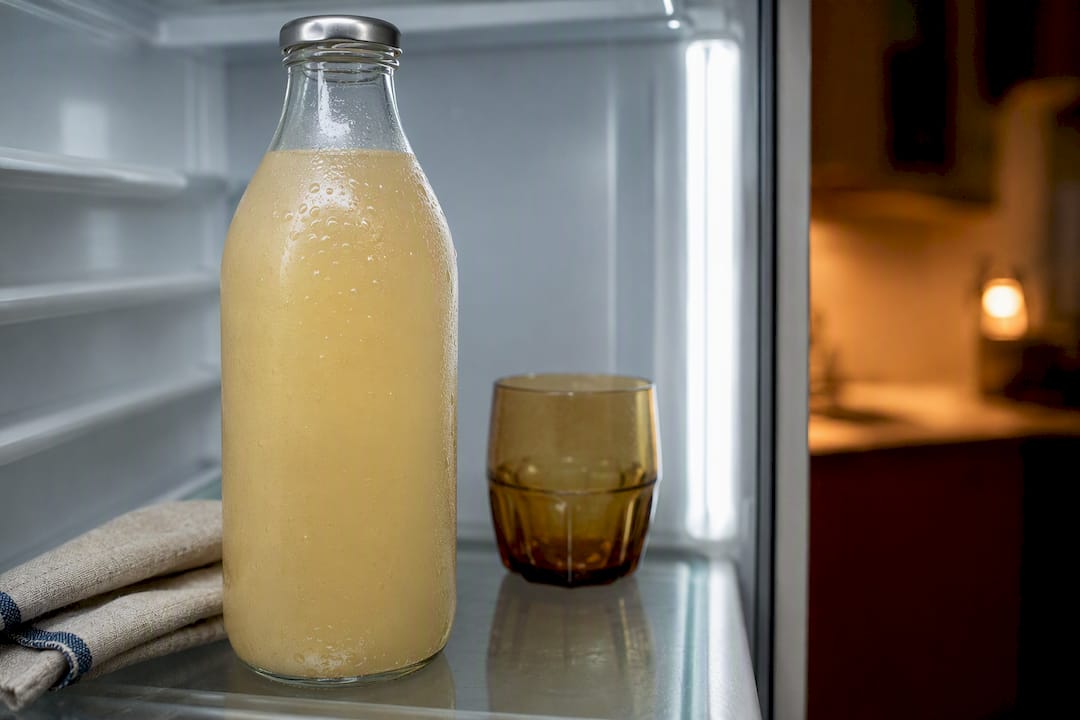
Heat is the real enemy for both. A hot car or a sunny windowsill will degrade flavour and carbonation far faster than a pantry shelf ever would, and it can also push a fermented ginger beer toward over-carbonation, occasionally enough to strain a cap or cause gushing when opened. When in doubt, treat any cloudy, actively fermented ginger beer the way you’d treat a craft beer: cold storage, consumed reasonably soon after purchase.
Texture and carbonation: how the two drinks actually feel
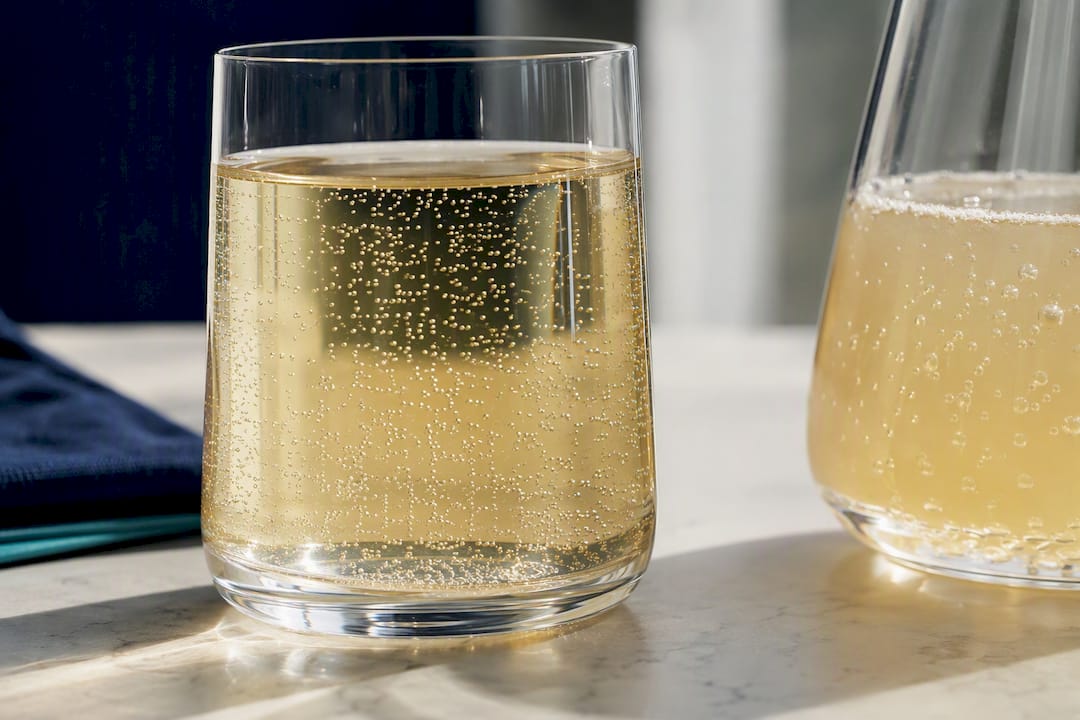
Carbonation level is one of the more overlooked differences between these two drinks, and it changes the entire drinking experience beyond just flavour. Commercially carbonated ginger ale tends to have a fine, even bubble structure, injected under controlled pressure for a consistent fizz that lasts through most of the can or bottle. That’s part of why ginger ale feels so easy to drink on its own.
Fermented ginger beer often carries a coarser, more variable carbonation, a natural side effect of live fermentation rather than a machine-metered dose of CO2. Some bottles come out almost still by comparison; others surprise you with a sharp, aggressive fizz depending on how active the fermentation was at bottling. Mouthfeel follows the same split: ginger ale is typically thinner and lighter on the tongue, while ginger beer, especially the cloudy, brewed kind, tends to feel heavier and slightly syrupy, partly from residual ginger fiber and partly from higher concentrations of ginger compounds. If you’ve ever wondered why a ginger beer cocktail feels more substantial in the mouth than the same drink made with ginger ale, that’s the texture difference doing the work, not just the taste.
An editorial take on picking the right ginger drink
Most comparisons treat this like a trivia question. It isn’t. The real decision point is what you’re doing with the drink in the next ten minutes: mixing a Dark ‘n’ Stormy, settling a stomach, or just wanting something cold and gingery on a hot afternoon. Conventional advice tends to overstate ginger ale’s medicinal reputation. The soothing effect people credit to “flat ginger ale” almost certainly comes from settling carbonation and a little sugar, not from meaningful ginger content, since most mass-market ginger ale barely qualifies as ginger flavoured once you check the ingredient list.
What gets underrated is how much production method matters more than branding. A cloudy, small-batch ginger beer and a mass-market can with the same name on the label can taste like two entirely different drinks. If there’s one thing worth prioritizing, it’s reading the ingredient list before you read the marketing copy. Sugar content and actual ginger percentage tell you more than “craft” or “original” ever will.
— Sharon
Try Drink Solidviibe for real ginger flavour without the sugar hit
If you’ve read this far comparing sugar loads and ginger intensity, a sparkling tonic with real lemon ginger and passionfruit flavour, lower in added sugar than a standard ginger ale or ginger beer, and enriched with vitamins and minerals instead of empty sweetness. That’s the honest trade off neither classic ginger soda offers: full flavour without loading up on sugar you didn’t ask for.
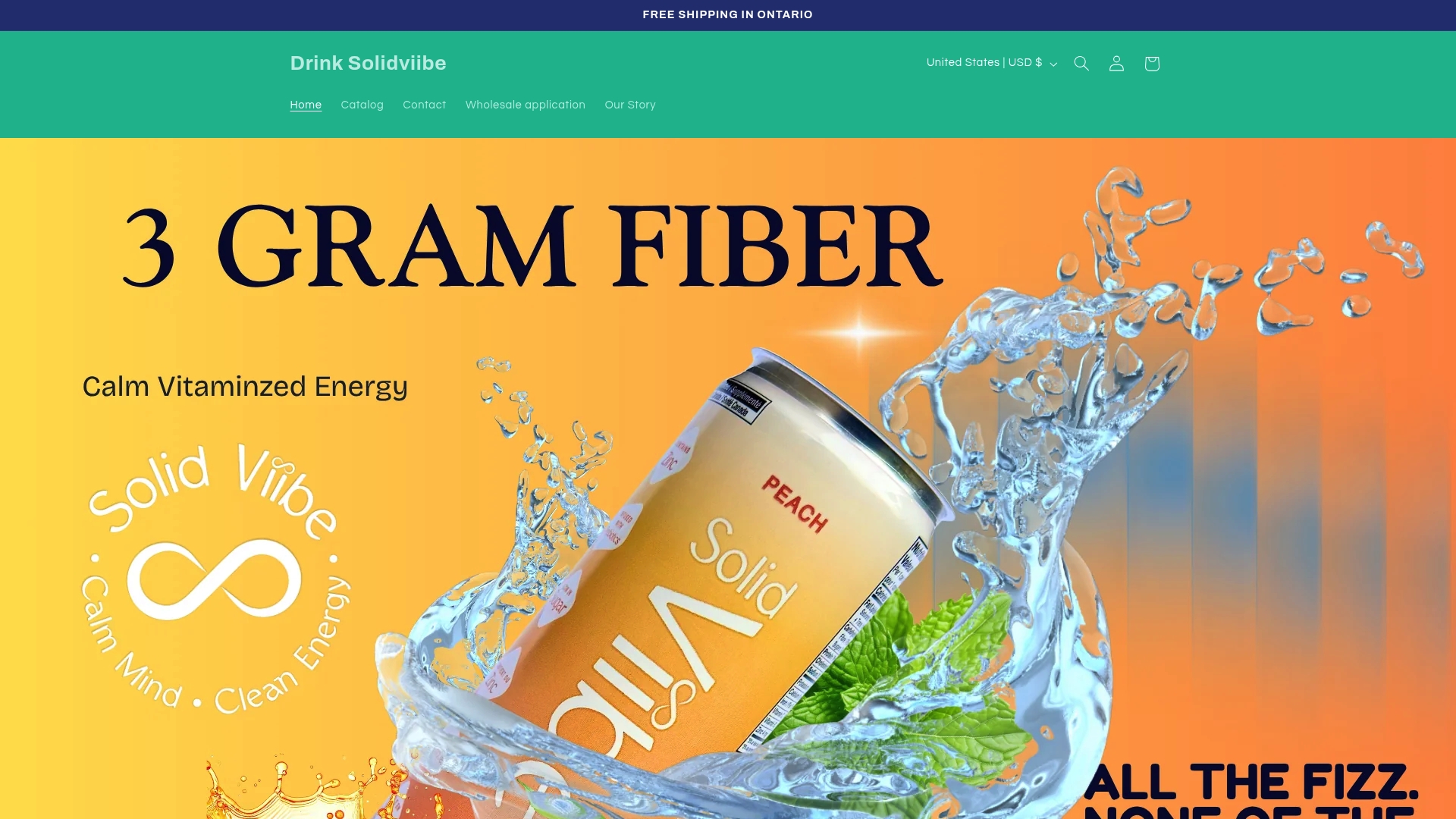
Whether you’re mixing a lighter cocktail, looking for a gut-friendly pick-me-up, or just done choosing between “spicy but sugary” and “sweet but flat,” this one’s built for that gap. Check out the full lineup of flavours and pack options and grab a variety pack to see which one earns a permanent spot in your fridge.
Sources
- What is the difference between ginger ale and ginger beer? | Office for Science and Society - McGill University
- The Differences Between Ginger Ale and Ginger Beer, Explained | VinePair
- Ginger Beer vs. Ginger Ale: What’s the Difference? | Food & Wine
- Ginger benefits | Johns Hopkins Medicine


