
Flavor first healthy drinks for parents who want fizz, not sugar

The easiest healthy drink swap for parents who want fizz without the crash is a low-sugar, natural sparkling functional tonic. Solidviibe fits that description well: minimal added sugar, real fruit and root ingredients like ginger and passionfruit, and a functional edge instead of empty calories. It’s a ready-made stand-in for soda that doesn’t ask you to give up flavour.
TL;DR:
- Most nutrient-enriched tonics contain less than 10 grams of added sugar and under 45 calories per can, making them suitable for daily consumption.
- Functional ingredients like adaptogens, probiotics, and B vitamins often have limited or uncertain scientifically proven effects at the doses found in commercial tonics.
- Drinking a low-sugar sparkling tonic with meals can aid digestion, while timing probiotic or adaptogen drinks on an empty stomach or in the evening improves their effectiveness.
- Limit adult portions to one 12-ounce can daily, and prefer rotating flavors to maintain awareness and avoid overconsumption.
- Be cautious if prone to gut issues or on medication, as carbonation and herbal additives can cause discomfort or interact with treatments.
Table of Contents
- Healthy drinks for parents: which sparkling category fits your day?
- How to read a can label before you buy it
- What adaptogens, probiotics, and B vitamins actually do
- Three sparkling tonics you can make at home in under 5 minutes
- Who should be cautious with sparkling functional drinks
- Age-appropriate portions for parents drinking these tonics
- When to drink a sparkling tonic for the best effect
- Why the “healthy drink” label deserves more skepticism, not less
- Ready to make the swap? Here’s the easy version
- Sources
Healthy drinks for parents: which sparkling category fits your day?
Not every sparkling drink is trying to do the same job. Some just replace soda. Others aim to settle your gut, calm your nerves, or nudge your energy up a notch. Knowing the category helps you shop faster and avoid paying a premium for a function you don’t actually need.
- Plain sparkling water: zero sugar, zero calories, just bubbles and maybe a citrus twist. Pick this when you want hydration and nothing else. It’s a better alternative than sugary sodas for appetite control, though tonic water is a different animal entirely and can carry real sugar.
- Nutrient-enriched tonics: sparkling water with added B vitamins, electrolytes, or antioxidants, usually low calorie and low sugar per can. Pick this for an everyday soda replacement that still tastes like a treat. This is the lane Solidviibe occupies, with flavours like lemon-ginger and peach built around low sugar rather than around it.
- Probiotic spritzes: fermented or cultured bases diluted with sparkling water, typically low sugar but with a tangier, sometimes yeasty profile. Pick this if digestive support is your actual goal.
- Adaptogen spritzes: sparkling drinks infused with ashwagandha, Rhodiola, or similar botanicals, aimed at stress or focus. Pick this occasionally, not as a daily habit, given how thin the long-term evidence still is.
For most parents juggling a kitchen, a commute, and a kid’s soccer schedule, the nutrient-enriched tonic category hits the sweet spot between convenience and nutrition, which is exactly why Solidviibe built its lineup there.
How to read a can label before you buy it
Grocery store fridges are full of cans making big promises. A 30-second label check separates the ones worth your money from the ones riding on packaging alone.
- Check added sugars first, not total sugars. The Dietary Guidelines for Americans recommend keeping added sugars under 10% of daily calories, roughly 50 grams on a 2,000-calorie diet. A can with a few grams of added sugar contributes modestly to daily limits.
- Scan the sweetener list. Stevia and monk fruit are common, lower-concern choices; some sugar alcohols can cause bloating in sensitive people, and a long string of artificial sweeteners is a signal to look elsewhere.
- Look at sodium and calories together. Anything under 10mg sodium and 45 calories per can keeps a sparkling tonic in “everyday drink” territory rather than “occasional treat.”
- Find the functional ingredient’s actual dose. If ashwagandha or a probiotic strain is buried at the bottom of the ingredient list with no milligram or CFU count listed, the dose is likely too small to matter.
Pro Tip: Ingredient order is a rough proxy for quantity. If sparkling water is first and your fancy adaptogen is last, you’re paying more for the label than the effect.
Formulators often blend a small amount of caloric sugar with a high-intensity sweetener to mimic a soda’s mouthfeel while keeping the sugar count low. That’s a reasonable trade-off, but it’s worth knowing it’s happening.
What adaptogens, probiotics, and B vitamins actually do
The functional ingredient world runs on hope and hype in roughly equal measure. Here’s the more honest version.
- Adaptogens (ashwagandha, ginseng, Rhodiola) show some short-duration benefits in early research, but study windows are often just weeks long, and effects vary by plant and person.
- Probiotics can support specific digestive outcomes, but a can labelled “probiotic” without a listed strain or CFU count is unlikely to match the clinical preparations used in actual trials.
- B vitamins have decent evidence for mild energy support, particularly in people who are mildly deficient, though a well-fed adult may not notice a dramatic difference.
- Antioxidants from fruit extracts are genuinely present in many tonics, but a can gives you a fraction of what a serving of berries or citrus provides.
The honest takeaway: functional beverages offer low-calorie access to bioactive compounds but shouldn’t replace a balanced diet, and label dosages are often vague enough that you’re trusting the brand more than the science. Treat these drinks as occasional support, not medicine in a can.
Three sparkling tonics you can make at home in under 5 minutes
You don’t need a subscription or a specialty aisle to get a decent low-sugar fizzy drink. These three take almost no effort.
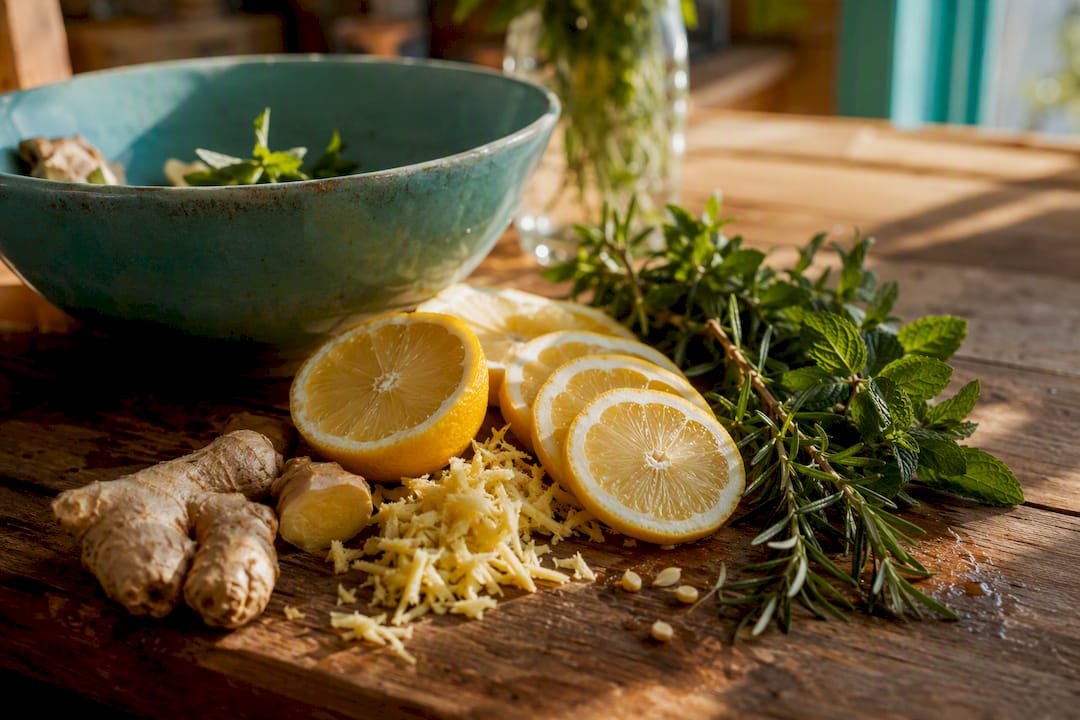
- Citrus-ginger tonic: fill a glass with sparkling water, squeeze half a lemon or lime, grate in a quarter teaspoon of fresh ginger, and add a few drops of stevia if you want it sweeter. Serve over ice.
- Probiotic spritz: pour two ounces of unsweetened kefir or a probiotic shrub into a glass, top with sparkling water, and stir gently so you don’t kill the carbonation.
- Adaptogen evening spritz: brew a caffeine-free herbal tea (chamomile or ashwagandha blend), cool it completely, then top with sparkling water over ice for a calming, low-sugar nightcap.
These borrow the same simple infusion and syrup techniques used in traditional herbal tonics, just adapted for a weeknight kitchen. Keep pours to 8 to 10 ounces so you’re not accidentally doubling your sugar or caffeine intake, and if you’re batching for the week, make the base concentrate ahead and add the sparkling water fresh each time so it doesn’t go flat.
Pro Tip: Chill your glass and your sparkling water separately before mixing. Warm sparkling water loses its fizz fast, and a flat tonic tastes flat no matter how good the ingredients are.
Who should be cautious with sparkling functional drinks
Carbonation isn’t universally friendly. If you deal with GERD or regular bloating, the bubbles themselves can be the problem, not the ingredients. Carbonation can aid satiety for some people but cause gas or discomfort in others, so smaller pours, slower sipping, or switching to a still version on rough days can help.
Adaptogens and herbal blends aren’t automatically safe with every medication or during pregnancy. If you’re on prescription drugs or expecting, talk to your doctor before making adaptogen spritzes a daily habit. Sugar alcohols and some non-nutritive sweeteners cause digestive upset in sensitive people. If you notice gas or discomfort after a “diet” drink, a fruit-infused plain sparkling water is a gentler swap. None of this replaces a balanced diet or medical care. These drinks are a beverage choice, not a treatment plan.
Age-appropriate portions for parents drinking these tonics
Portion size matters more than most parents assume, mainly because it’s easy to treat a “healthy” can as a free pass and drink three in a day. One 12-ounce can of a nutrient-enriched sparkling tonic per sitting is a reasonable serving for most adults, and one to two cans daily keeps added sugar and sodium well within the ranges covered in the label checklist above.
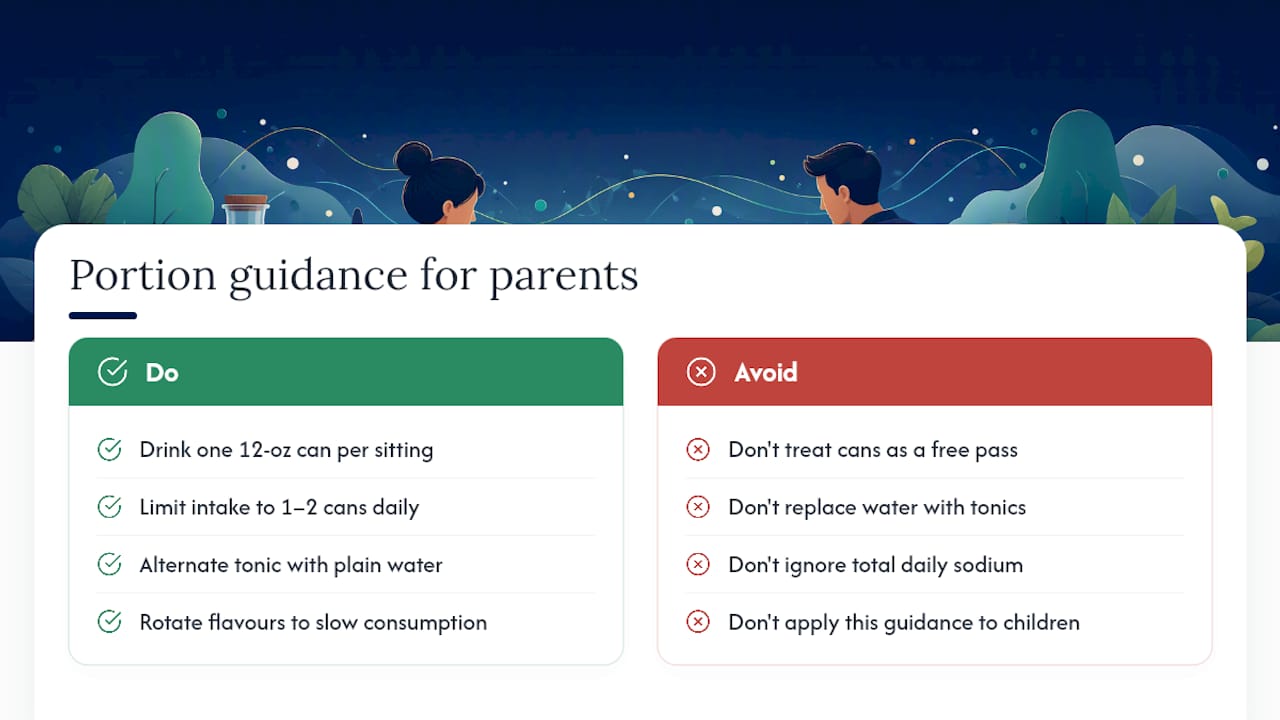
If you’re active or pregnant, hydration needs shift, and a functional tonic should sit alongside water, not replace it as your main fluid source. Adults managing blood pressure should watch total sodium across everything they drink in a day, not just from tonics, since sodium adds up quickly from coffee creamers, packaged snacks, and takeout. A good rule for busy parents: treat sparkling tonics the way you’d treat a piece of fruit at snack time, a genuine addition to your day, not a meal replacement or an unlimited free pour. Kids have entirely different sugar and caffeine thresholds and different product needs, so this guidance is written for the adults in the house, not for what goes in a child’s cup.
Rotating flavours also helps with portion awareness. When you drink the same lemon-ginger can every single day, it’s easy to lose track of how many you’ve had. Switching between two or three options, plain sparkling water some days, a functional tonic other, naturally slows down consumption without feeling like a restriction.
When to drink a sparkling tonic for the best effect
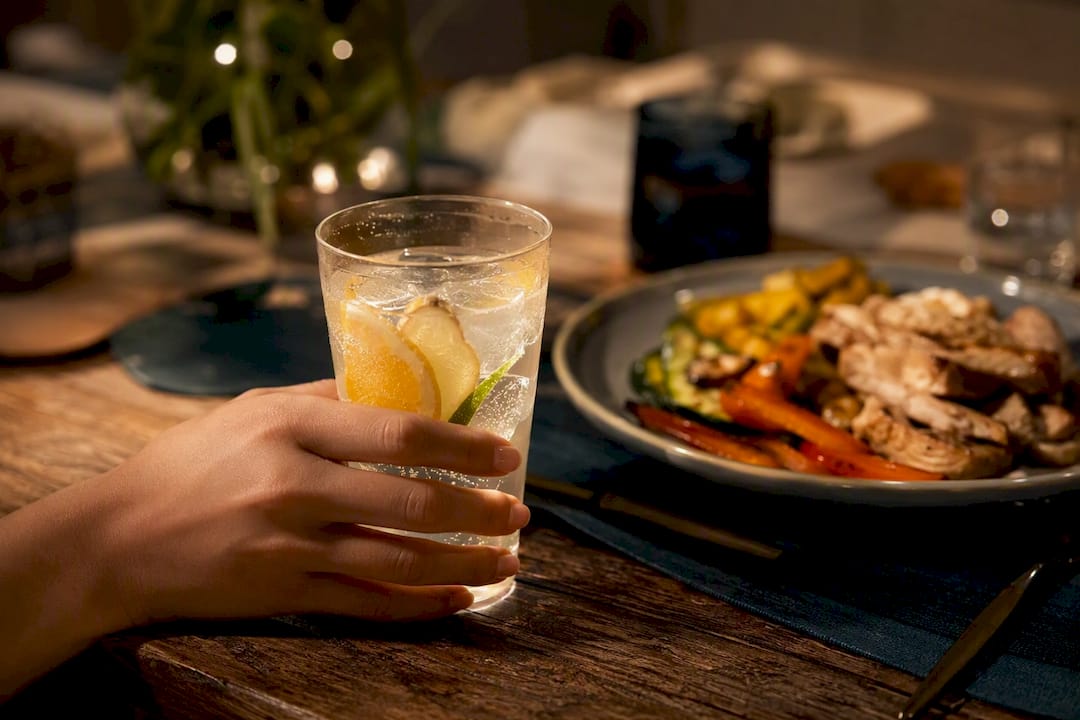
Timing changes how a sparkling tonic actually feels in your body. Drinking one with a meal, especially a citrus-ginger style, can support digestion and cut the urge to reach for a sugary soda alongside dinner. A probiotic spritz tends to work best on an empty-ish stomach, roughly 30 minutes before eating, since that’s closer to how fermented foods are traditionally consumed.
If you’re using a tonic around exercise, skip the heavily carbonated version right before a workout. Bubbles plus movement is a fast route to stomach discomfort, so save the fizzy option for after you’ve cooled down, when a lightly sweetened, functional tonic can help replace some fluid without the sugar spike of a sports drink. For an early comparison of when each type actually earns its place, a sparkling drinks versus sports drinks breakdown is worth a look if you’re active regularly.
An adaptogen spritz makes more sense in the evening than the morning, given its calming intent. Save your B-vitamin or energy-leaning tonic for late morning or early afternoon, when the natural post-lunch slump hits and you’d otherwise reach for a second coffee. None of this is rigid science. It’s about matching the drink’s purpose to the part of your day where that purpose actually applies.
Why the “healthy drink” label deserves more skepticism, not less
Parents get sold on functional beverages faster than almost anyone else, because we’re tired, time-poor, and looking for what to feed kids at a birthday party without the sugar crash and anything that feels like an upgrade without extra effort. That’s exactly why skepticism matters here, not because these drinks are useless, but because the marketing routinely outruns the evidence.
The uncomfortable truth is that most functional ingredients would need a dose parents will never get from a 12-ounce can to do what the packaging implies. That doesn’t make the category worthless. Swapping a daily soda for a low-sugar sparkling tonic is still one of the more effective changes you can make to cut added sugar, even if the adaptogen dusted on top is doing very little. The win is in what you removed, not necessarily what you added.
Solidviibe’s approach, built around genuinely low sugar and recognizable ingredients like ginger and passionfruit rather than a wall of unpronounceable extracts, reflects that same honesty. Customers consistently report high satisfaction with the taste and how it feels compared to soda, which matters because a healthy drink you don’t enjoy gets abandoned within a week.
— Sharon
Ready to make the swap? Here’s the easy version
Running through a label checklist every time you shop gets old fast. Solidviibe does that homework for you: low added sugar, natural ingredients you can actually pronounce, and real functional flavours like lemon-ginger and passionfruit built for taste first, not just marketing copy.
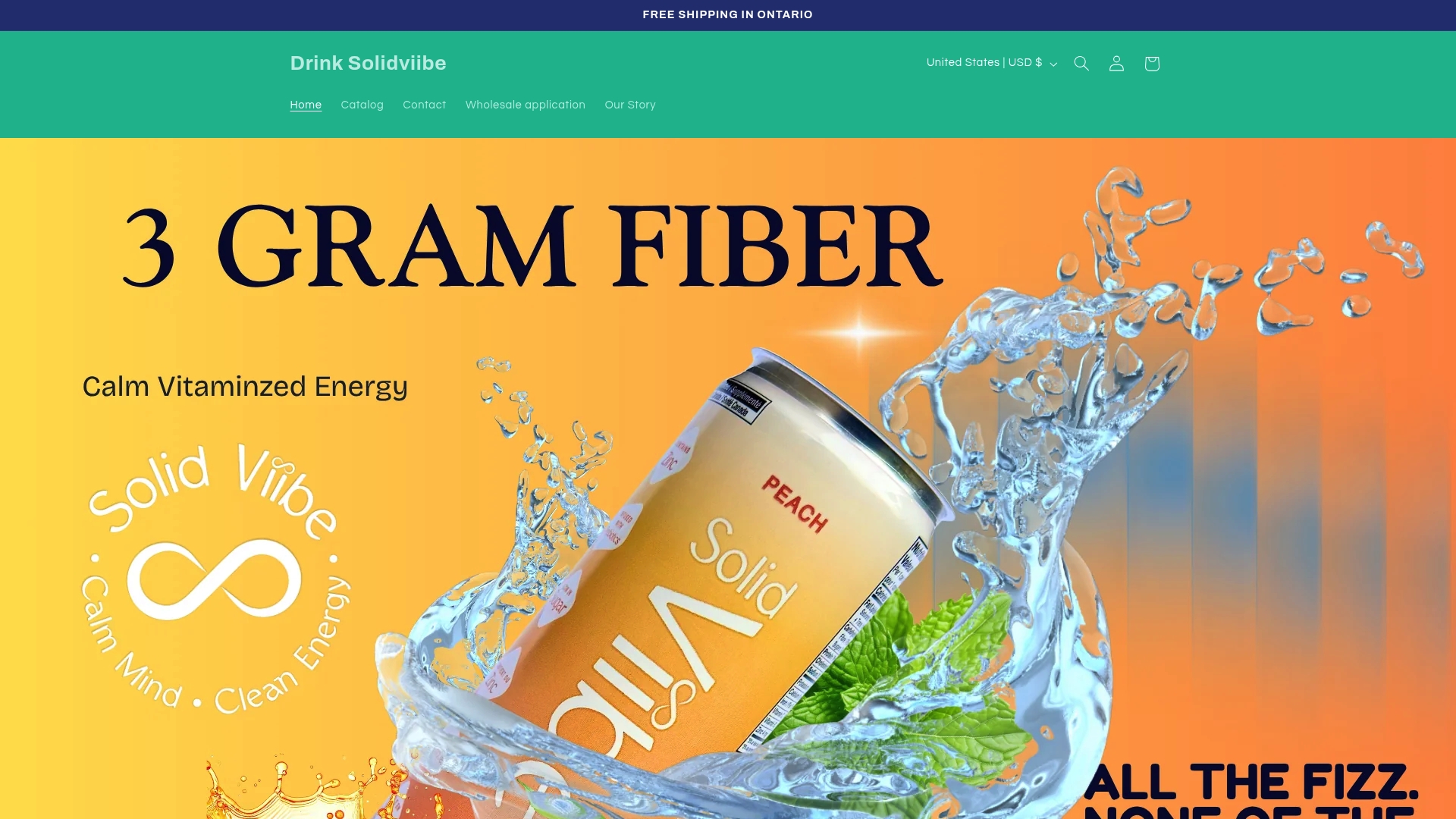
If you’ve read through the sweetener trade-offs, sodium thresholds, and functional dosing questions above and just want something that already checks those boxes, grab a variety pack and see which flavour becomes your new everyday can. Order a pack from Solidviibe and start your soda swap this week.
Sources
- Is a wellness drink worth it? Decoding functional beverage labels | UCLA Health
- Is carbonated water good for you? — University of Chicago Medicine
- Functional beverages — EBSCO Research Starters


