
How to quit soda: a practical 7-day plan

The single most effective thing you can do right now is replace every soda moment with a pre-planned fizzy swap. Before you read another word, do this: grab a chilled can of sparkling water or a low-sugar sparkling tonic, pour it into a glass, and move any visible soda off your desk or counter. That one physical swap, repeated consistently, is the mechanism behind every successful quit plan. Set your intention now: “Today I will swap every soda with a sparkling tonic or water.” CDC data links regular sugar-sweetened beverage consumption to excess calorie intake and measurable increases in obesity and diabetes risk at the population level, which is exactly why this swap matters more than it might feel in the moment.
Key takeaways
Replacing each soda moment with a pre-planned, fizzy low-sugar swap is the single most effective action you can take to quit soda and sustain the change.
| Point | Details |
|---|---|
| Start with one swap | Replace your highest-craving soda slot first; build from there over 7 days. |
| Taper, don’t quit cold | Cutting one soda per day each week reduces withdrawal severity and improves long-term success. |
| Match the sensory ritual | Choose a carbonated, flavoured alternative in a can to satisfy fizz, cold, and flavour cues. |
| Caffeine withdrawal peaks at 20–51 hours | Expect the worst headache in this window; hydration and low-caffeine tea help. |
| Drinksolidviibe as your swap | Low-sugar, naturally flavoured sparkling tonics in a can replicate the soda ritual without the sugar or additives. |
Table of Contents
- How to quit soda in 7 days: your starter checklist
- What actually happens to your body when you cut soda
- What triggers soda cravings and what to drink instead
- Tapering, no-soda zones, and habit stacking
- What to expect in the first hours, days, and weeks
- What your soda craving is actually telling you
- How to make the change stick beyond the first month
- Expert-backed tips and the research behind this plan
- An honest take on quitting soda
- Drinksolidviibe: a fizzy swap worth keeping in the fridge
- Sources
How to quit soda in 7 days: your starter checklist
A week is enough time to break the automatic reach. The goal here is not perfection; it is momentum. Taper down rather than going cold turkey, and pre-load each soda slot with a specific replacement before the craving hits.
Day-by-day plan
- Day 1 — Audit and stock up. Count how many sodas you drink in a typical day. Buy sparkling wellness tonics, unsweetened iced tea, and a large water bottle. Put the swaps at eye level in the fridge.
- Day 2 — Replace one soda. Pick your highest-craving moment (usually mid-afternoon) and swap it with a chilled sparkling tonic or seltzer. Keep the rest of your routine the same.
- Day 3 — Replace two sodas. Add a morning swap: unsweetened iced tea or cold water with lemon instead of a caffeinated soda.
- Day 4 — Hydration focus. Drink at least 8 glasses of water throughout the day. Headaches starting? That is normal. A glass of water and a short walk usually blunt them.
- Day 5 — No-soda zone at home. Remove remaining soda from the fridge. Replace the visual cue entirely with canned sparkling tonics so the ritual (cold can, fizz, flavour) stays intact.
- Day 6 — Social rehearsal. Plan what you will order or bring to a social setting. A canned sparkling tonic travels well and looks identical to a soda can.
- Day 7 — Full swap day. Zero soda. Every slot covered by a pre-planned replacement. Note how you feel; most people report clearer energy by the end of this day.
Time-of-day swap slots
- Morning: Unsweetened iced tea, cold brew black coffee (no sugar), or infused water with cucumber and mint.
- Mid-afternoon: Sparkling wellness tonic (lemon-ginger or passionfruit work especially well here), chilled seltzer with a squeeze of citrus.
- With meals: Sparkling water or a low-sugar tonic served in a glass over ice.
- Evening: Herbal tea, still water, or a small glass of 100% fruit juice diluted with sparkling water.
Pro Tip: Stock your fridge the night before each new swap day. Visibility is everything — if the sparkling tonic is at eye level and the soda is gone, you will reach for the right thing on autopilot.
According to Healthline, replacing soda with sparkling water, tea, or other low-sugar alternatives is one of the most practical and evidence-supported first steps for reducing intake and managing cravings.
What actually happens to your body when you cut soda
The benefits are not abstract. They show up in ways you can feel within days and measure within weeks.
Weight and calories. A single 355 mL can of regular cola contains roughly 39 grams of added sugar. Cut two cans a day and you remove close to 300 calories from your daily intake without changing anything else. Research published on NCBI Bookshelf links regular added-sugar consumption, including sugary sodas, to higher risk of weight gain, dental caries, and cardiometabolic harm.
Dental health. Soda’s combination of sugar and phosphoric or citric acid is particularly corrosive to enamel. Removing it reduces both the acid exposure and the sugar that feeds decay-causing bacteria. Most people notice less tooth sensitivity within a few weeks.
Blood-sugar control. The sugar spike from a regular soda is fast and steep. Without it, blood glucose levels tend to stabilise, which reduces the mid-afternoon energy crash that often triggers the next craving. This is one of the earliest changes people notice, usually within the first week.
Heart health. Population-level data consistently connect high sugar-sweetened beverage intake to elevated triglycerides and blood pressure. Cutting soda is one of the lowest-effort dietary changes with a measurable cardiovascular payoff over months.
Energy and mood. Counterintuitively, many people feel more energetic within two weeks of quitting, once the withdrawal window passes. The sugar-and-caffeine cycle that soda creates produces peaks and crashes; removing it flattens the curve. Geisinger Health notes measurable improvements in weight, blood pressure, and mood in people who remove daily sugary drinks, with many noticing changes within weeks.
What triggers soda cravings and what to drink instead
Cravings for soda are rarely about thirst. Research published in Appetite found that soft drink cravings are typically triggered by cues other than thirst, including time of day and social context, and that craving intensity predicts subsequent consumption. Knowing your trigger lets you pre-empt it.
| Trigger | What you actually need | Best swap |
|---|---|---|
| Mid-afternoon slump | Caffeine + fizz | Sparkling wellness tonic (lemon-ginger) |
| Meal accompaniment | Cold, fizzy, flavoured | Sparkling water with citrus or a low-sugar tonic |
| Stress or boredom | Ritual, something to hold | Herbal tea in a mug, or a canned seltzer |
| Social setting | Fitting in, something in hand | Canned sparkling tonic (looks identical to soda) |
| Vending machine cue | Habit, visual trigger | Pre-packed sparkling tonic in your bag |
| Sweet craving | Sweetness | Infused water with berries, or a small piece of fruit |
The sensory match matters more than you think
ColumbiaDoctors guidance makes a point that most quit guides miss: the sensory ritual, the cold can, the fizz, the flavour hit, is as important as the sugar itself. Choosing a replacement that matches those cues dramatically reduces relapse risk. A flat glass of tap water does not satisfy a soda craving. A chilled, carbonated tonic in a can does.

This is why carbonated alternatives that mimic soda’s look and mouthfeel work so well in practice. The visual and tactile cues remain intact; only the sugar and artificial additives are gone.
Pro Tip: Buy your sparkling swaps in cans rather than bottles. The pop of a can tab, the fizz sound, and the cold aluminium in your hand replicate the soda ritual closely enough that your brain accepts the substitution far more readily.
Shopping list for your first week
- Canned sparkling water (plain and citrus-flavoured)
- Low-sugar sparkling wellness tonics (passionfruit, lemon-ginger, peach)
- Unsweetened iced tea bags or ready-to-drink unsweetened tea
- Fresh lemons, limes, cucumber, or mint for infused water
- A large insulated water bottle for work
Tapering, no-soda zones, and habit stacking
Why tapering usually beats cold turkey
Going cold turkey works for some people, but for anyone drinking two or more sodas a day, a structured taper reduces withdrawal severity and improves the odds of sticking with it. A practical approach: cut one can per day each week. If you drink four sodas daily, you are at zero by week four without a single brutal withdrawal day. HabitBox and HabitIt both document taper plans that replace each removed soda slot with a pre-planned swap, rewiring the cue-routine-reward loop rather than just removing the reward.
Environment controls
- Remove soda from your home fridge entirely. Replace the shelf space with sparkling tonics and infused water.
- Stop buying soda at the grocery store. If it is not in the house, the friction of getting it is usually enough to break the impulse.
- Declare a no-soda zone at your desk. Keep a sparkling tonic or water bottle visible at all times.
- Change your route past the vending machine, or pre-pack a swap so the machine becomes irrelevant.
Habit stacking and caffeine management
Attach your swap to something you already do. If you always reach for a soda when you sit down at your desk, place the sparkling tonic there before you sit. If you grab a soda at lunch, order a sparkling water before the meal arrives so the glass is already in front of you.
For caffeinated sodas specifically, do not drop caffeine abruptly. Shift to unsweetened black tea or coffee for the first week, then gradually reduce that too if your goal is to cut caffeine overall. Abrupt caffeine removal is the main driver of withdrawal headaches.
- Do: Taper gradually, pre-plan every swap slot, use canned sparkling alternatives.
- Do: Reduce caffeine slowly alongside soda if the soda was your main caffeine source.
- Don’t: Replace regular soda with diet soda as your primary long-term swap. Diet soda maintains the sweet taste preference and the habitual reach, making it harder to fully reset the pattern.
What to expect in the first hours, days, and weeks
Withdrawal from soda is real, particularly if the soda contained caffeine. Knowing the timeline prevents the most common quit failure: assuming something is wrong and giving up.
| Timeframe | What typically happens | Coping tip |
|---|---|---|
| Hours 12–24 | Headache onset, mild fatigue, irritability | Drink water consistently; take a short walk |
| Hours 20–51 | Peak withdrawal: stronger headache, low mood, difficulty concentrating | Low-caffeine tea, extra sleep, cold sparkling water |
| Days 2–4 | Symptoms begin to ease; energy still variable | Maintain hydration; keep swaps visible and accessible |
| Days 5–9 | Most symptoms resolve; energy starts to stabilise | Reward the streak; note improvements in sleep and mood |
| Weeks 2–4 | Cravings reduce in frequency; taste preferences shift | Cravings that do hit are shorter; ride them out with a swap |
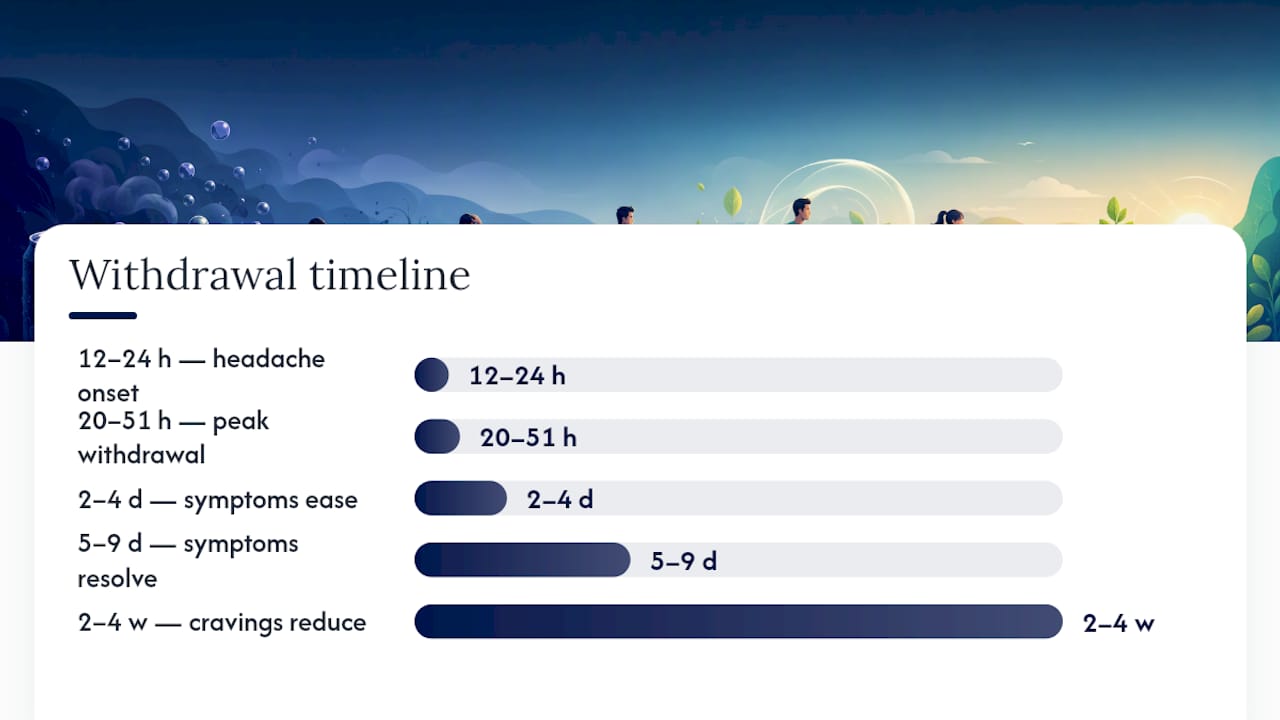
A clinical review published on PMC maps caffeine withdrawal precisely: onset typically at 12–24 hours, peak at 20–51 hours, and resolution within 2–9 days depending on prior intake. Tapering reduces the severity of every stage.
If you experience severe headaches, heart palpitations, or symptoms that feel disproportionate, speak with a healthcare provider. For most people, the worst of it is a two-day headache and some fatigue.
What your soda craving is actually telling you
Not all cravings are the same, and diagnosing yours in the moment changes how you respond.
- Sensory/ritual craving: You want the fizz, the cold, the flavour. Test: drink a glass of sparkling water. If it takes the edge off, this was a sensory craving. Fix: keep a chilled sparkling tonic within arm’s reach.
- Caffeine craving: You feel foggy, low-energy, or have a mild headache. Test: drink a cup of unsweetened black tea. If the fog lifts within 20 minutes, caffeine was the driver. Fix: taper caffeine separately rather than cutting it all at once.
- Sweet craving: You want something sweet, not necessarily fizzy. Test: eat a small piece of fruit or drink infused water with berries. If that satisfies it, the craving was for sweetness, not soda specifically. Fix: keep fruit or naturally sweet herbal tea on hand.
- Stress or habit cue: You reach for soda when bored, anxious, or at a specific time of day. Test: wait 10 minutes and do something with your hands (a short walk, a glass of water). If the urge passes, it was a habit cue, not a physiological need.
Some research suggests that persistent sweet cravings can correlate with mineral gaps, particularly magnesium. This is worth mentioning to a healthcare provider if cravings remain intense after the first two weeks, but do not self-diagnose or supplement without professional guidance.
How to make the change stick beyond the first month
Short-term success is common. Durable change is rarer, and it usually comes down to systems rather than willpower.
- Track your streak. A simple calendar with an X through each soda-free day is surprisingly effective. Missing one day feels costly when you can see a 10-day streak. Apps like Streaks (iOS) or Habitica work well for this.
- Tell one person. Accountability does not require a support group. Telling a single friend or housemate your goal and asking them to check in weekly is enough to meaningfully increase follow-through.
- Set a household rule. If others in your home drink soda, agree on a no-soda zone (your desk, the main fridge shelf) rather than asking them to quit too. Reducing your own exposure is the goal.
- Reward milestones without food. At one week, two weeks, and one month, mark the milestone with something unrelated to eating or drinking: a new book, a workout class, a film you have been meaning to watch.
- Workplace tactics: Keep a sparkling tonic or water bottle visible on your desk at all times. If your workplace has communal soda stock, bring your own swaps and place them where the soda usually sits. For social events, arrive with a canned sparkling tonic in hand so the offer of a soda never becomes a decision point.
For families with children, making healthy drinks visually appealing and swapping the household soda stock with kid-friendly fizzy options removes the trigger for the whole household at once.
Expert-backed tips and the research behind this plan
The recommendations in this article draw on a consistent body of evidence. Here is the short version of what the research actually says.
Tapering works. Multiple clinical and practical sources confirm that a structured taper reduces withdrawal severity compared with abrupt cessation, particularly for caffeinated sodas.
Cues drive consumption more than taste. The brain’s reward system, including dopamine release triggered by sugar and caffeine, makes soda harder to quit than simple preference suggests. AARP’s health reporting notes that both sugar and caffeine contribute to habitual use through the brain’s reward pathways, which is why environment controls matter as much as motivation.
Sensory matching is the key insight most guides miss. ColumbiaDoctors registered dietitians put it plainly:
Identifying specific cues predicts success. USA TODAY’s health coverage reports that expert guidance consistently recommends identifying the specific times, emotions, and places that trigger soda use and pre-planning exact replacements for each, rather than relying on general resolve.
Trusted sources for further reading
- NCBI Bookshelf: — Peer-reviewed review of dietary sugars and cardiometabolic risk.
- PMC (caffeine withdrawal review): — Clinical mapping of withdrawal onset, peak, and resolution.
- ColumbiaDoctors: — Practical, clinician-authored guidance on sensory swaps and quit strategies.
- Healthline: — Accessible, evidence-referenced overview of how to stop drinking soda.
An honest take on quitting soda
The hardest part is not the headache on day two. It is the moment on day nine when you feel fine and think one soda won’t matter. It will not ruin anything, but it resets the cue-routine-reward loop more reliably than most people expect. The readers who succeed long-term are not the ones with the most willpower; they are the ones who made the swap so automatic that the decision never really comes up. Stock the fridge before you need it. Put the sparkling tonic where the soda used to live. The environment does most of the work.
Drinksolidviibe: a fizzy swap worth keeping in the fridge
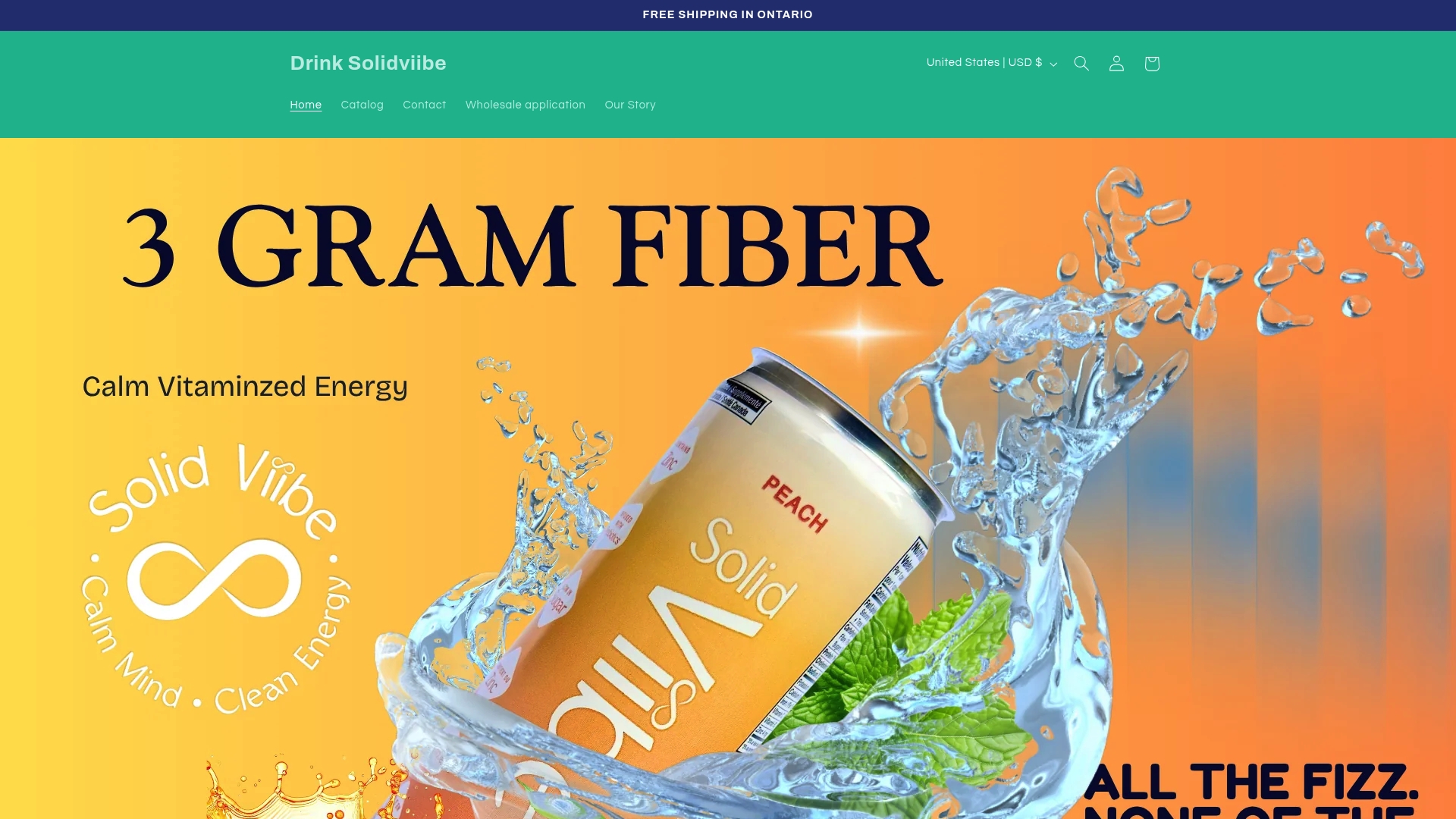
Quitting soda is easier when the replacement actually satisfies the craving. Drinksolidviibe sparkling wellness tonics are built for exactly this moment: low sugar, no artificial additives, naturally flavoured with lemon-ginger, passionfruit, and peach, and enriched with vitamins and minerals that support gut health and immunity.
What makes them practical for a quit plan:
- Sensory match: carbonated, cold, and flavoured in a can, so the ritual stays intact.
- Low sugar: none of the blood-sugar spike that keeps the craving cycle running.
- Functional ingredients: natural botanicals and nutrients, not just flavoured water.
- Available in variety packs: so you can test flavours and find the one that replaces your specific soda moment.
Simple swaps and consistent behaviour change matter more than any single product, but having the right drink in the fridge removes the friction that causes most quit attempts to stall. Browse Drinksolidviibe’s sparkling wellness tonics and order a variety pack to have your swaps ready before day one.
Sources
- How to Stop Drinking Soda: A Complete Guide
- Dietary sugars and health — NCBI Bookshelf
- How to kick your soda habit — ColumbiaDoctors
- Caffeine withdrawal review — PMC
This article is for general informational purposes only and is not a substitute for professional medical advice. Consult a qualified healthcare provider before making significant dietary changes, especially if you have underlying health conditions.


