
8 Low Sugar Immunity Drinks You Can Make Today

Try citrus juice, a lemon-ginger tea, a turmeric-ginger shot, a berry smoothie, and a probiotic kefir shot. Each one supplies vitamin C, anti-inflammatory compounds, or gut-friendly bacteria that support normal immune function. None of them will stop a cold in its tracks or replace sleep, sanitation, and a decent diet. Think of these drinks as reinforcement, not a shield.
TL;DR:
- Drinking fresh citrus or berry-based drinks can help meet daily vitamin C requirements but will not enhance immune function beyond normal levels.
- Incorporating anti-inflammatory ingredients like ginger and turmeric alongside vitamin C supports the body’s stress response, although evidence for extra protection is limited.
- Probiotic kefir supports gut health where most immune activity occurs, but these drinks do not directly boost immune system performance.
- Avoid high-sugar or sodium-laden versions, as poor ingredient quality reduces their potential benefits and may undermine health support.
- For consistency and convenience, low-sugar functional tonics or ready-made immune-support drinks can be effective substitutes for homemade recipes.
Table of Contents
- Best immunity drinks and how to make them
- What the key ingredients actually do
- Do immunity drinks actually work?
- Three quick immunity drinks you can make right now
- Why ingredient quality and low sugar matter more than the label says
- A convenient, low-sugar way to keep this up daily
- Sources
Best immunity drinks and how to make them
Immune-supporting beverages work best when the ingredients are fresh, the sugar is kept low, and the vitamin C content is high enough to matter. Here are eight worth keeping in rotation.
1. Fresh orange juice. Squeeze two medium oranges into a glass and drink immediately for the best vitamin retention. A typical serving of fresh-squeezed orange juice provides over the full daily value of vitamin C, well past the 90 mg RDA for men or 75 mg for women. Best for a quick, no-prep vitamin C hit.
2. Grapefruit juice. Half a grapefruit juiced fresh delivers a similar vitamin C punch to orange juice with a sharper, less sugary flavour. Skip this one if you take statins, certain blood pressure medications, or other drugs with a known grapefruit interaction — check with a pharmacist first.
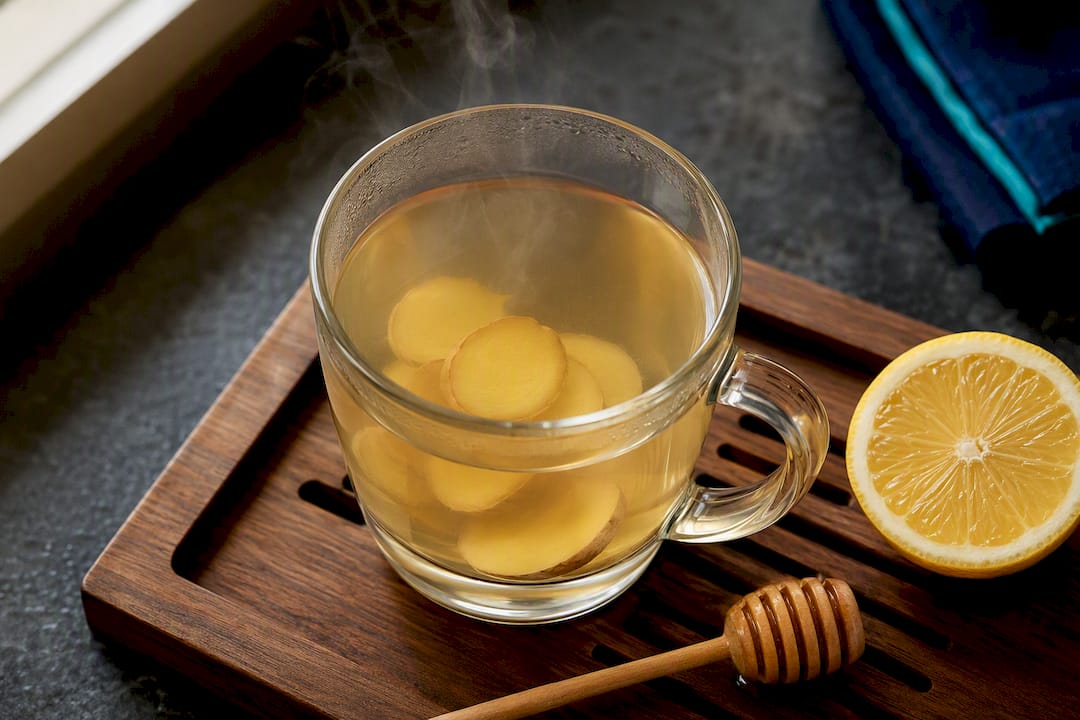
3. Hot lemon-ginger tea. Steep sliced fresh ginger in hot water for five minutes, then squeeze in half a lemon and a teaspoon of honey if you want it sweeter. Best for sore throats and stuffy mornings, since the warmth and ginger’s anti-inflammatory compounds settle an unsettled stomach at the same time.
4. Turmeric-ginger shot. Blend a thumb of fresh turmeric, a thumb of ginger, the juice of one lemon, and a pinch of black pepper with a splash of water. Strain and drink in one go. The black pepper isn’t optional garnish. It contains piperine, which meaningfully increases curcumin absorption from the turmeric.
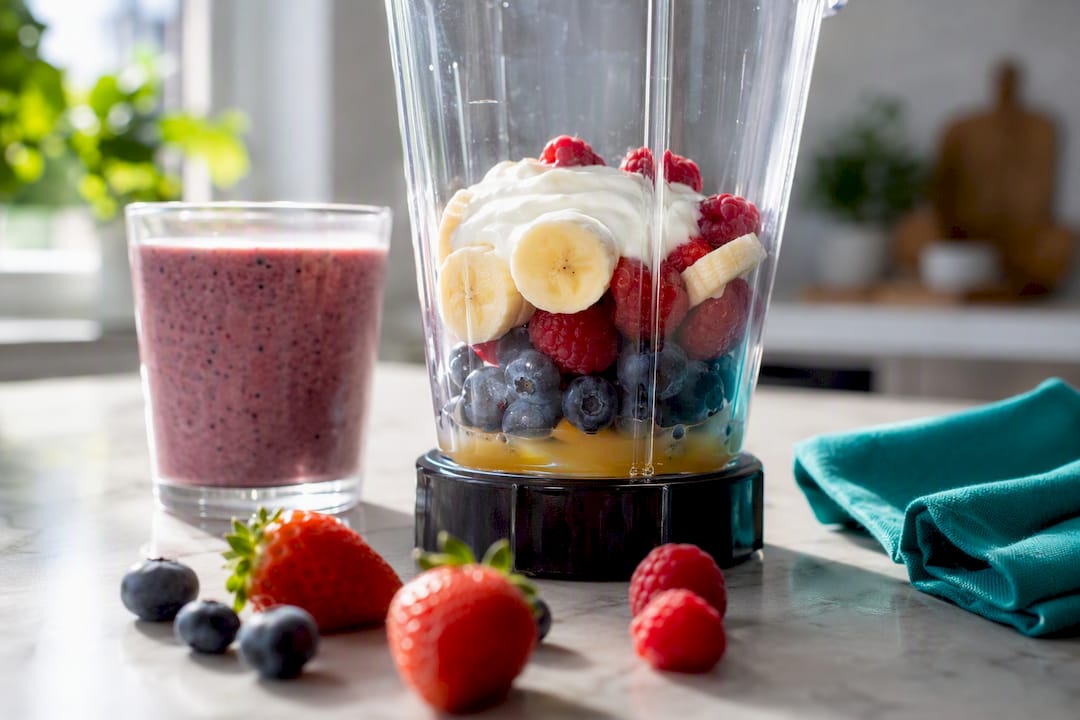
5. Berry smoothie. Blend a cup of mixed berries, half a banana, a splash of orange juice, and a scoop of plain yogurt. Combining vitamin-C-rich fruit with a protein source like yogurt supports satiety and steadier nutrient delivery than juice alone. Best for a breakfast replacement, not a snack on top of one.
6. Green juice. Juice kale, cucumber, green apple, and a squeeze of lime for antioxidants without the sugar spike of an all-fruit juice. Lower in vitamin C than citrus but higher in other plant compounds.
7. Low-sodium tomato juice. Choose a no-salt-added variety where possible. Tomato juice can be a surprisingly rich vitamin C source with less sugar than most fruit juices, but standard commercial tomato juice runs high in sodium, so read the label before making it a daily habit.
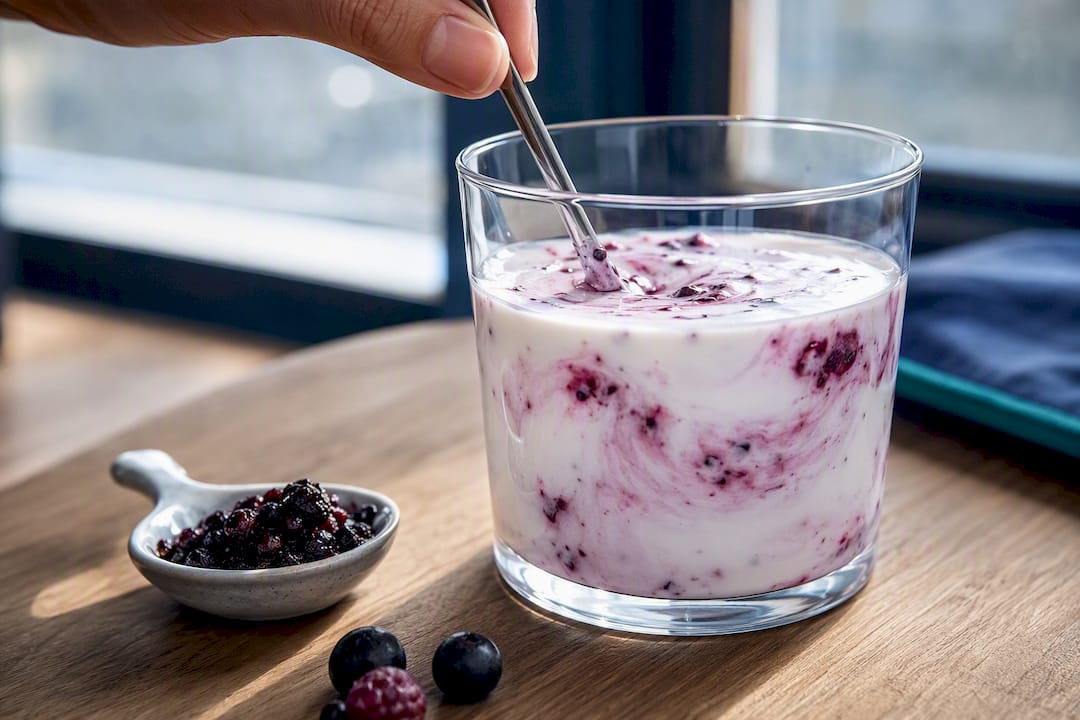
8. Probiotic kefir shot. A small glass of plain kefir, straight or blended with a few berries, delivers live cultures that support the gut, where a large share of immune activity actually happens. Best for anyone whose gut health has been shaky, whether from antibiotics, travel, or stress.
What the key ingredients actually do
The ingredients showing up in these recipes aren’t random. Each one has a specific, defensible job.
- Vitamin C supports normal immune cell function and is the reason citrus and berries dominate this category; the RDA sits at 90 mg for men and 75 mg for women, and a single glass of fresh orange juice can clear that bar in one sitting.
- Ginger and turmeric contribute anti-inflammatory and antioxidant compounds, and preliminary research on curcumin and gingerols suggests they help manage oxidative stress, though the evidence is still building rather than settled.
- Probiotics feed the gut-immune axis. Roughly 70% of immune tissue clusters around the gut, which is why kefir and other fermented drinks earn a spot on this list.
- Bromelain, the enzyme in pineapple, has a reputation for easing inflammation, which is part of why pineapple shows up in green juices and smoothies aimed at recovery.
- Antioxidants broadly, from berries to green tea, help offset oxidative stress, a topic covered in more depth in Drinksolidviibe’s breakdown of antioxidants in drinks.
Pro Tip: Add a pinch of black pepper and a small amount of fat, like a drizzle of olive oil, to any turmeric drink. Curcumin is fat-soluble and poorly absorbed on its own, so this combination is the difference between a shot that does something and one that just tastes earthy.
If you’re on medication, treat grapefruit with caution. It’s a well-documented interaction risk with several common drug classes, and it’s easy to swap for orange or lemon in any recipe here without losing the vitamin C benefit.
Do immunity drinks actually work?
Here’s the honest answer: they help you hit nutrient targets and add anti-inflammatory compounds to your diet, but they don’t push your immune system above its normal baseline. There’s no drink that makes your immune system work harder than it’s designed to.
Vitamin C supports normal immune function when intake meets the recommended amount, but going beyond that baseline through diet or supplements has not been shown to produce extra protection beyond what normal, adequate intake already provides.
That’s the core finding behind federal guidance on vitamin C, and it applies directly to these drinks. The practical takeaway:
- Aim to meet the RDA, not exceed it by a wide margin.
- Choose 100% juice over sweetened blends, and check labels for added sugar and sodium.
- If you’re immunocompromised, pregnant, or on regular medication, talk to a doctor before making any drink a daily habit.
For a deeper dive into where the evidence gets exaggerated, Drinksolidviibe has covered whether vitamin drinks work and when they’re actually worth the effort.
Three quick immunity drinks you can make right now
- Hot lemon-ginger tea. Steep sliced ginger in hot water for five minutes, add lemon juice and honey to taste. Swap honey for maple syrup if you need it vegan.
- Vitamin C smoothie. Blend berries, half an orange, and a scoop of yogurt (or a dairy-free alternative for lactose sensitivity). Keeps in the fridge for a day, no longer.
- Turmeric-ginger shot. Blend turmeric, ginger, lemon, and black pepper; drink fresh. It doesn’t store well, so make it to order.
Why ingredient quality and low sugar matter more than the label says
Most immunity drinks fail on execution, not concept. A juice loaded with 25 grams of added sugar undercuts whatever vitamin C it’s carrying. That’s the gap between what a bottle promises and what it delivers, and it’s the same gap Sharon has covered in Drinksolidviibe’s antioxidant-rich beverage roundup and lemon-ginger benefits explainer. Read labels before you drink.
— Sharon
A convenient, low-sugar way to keep this up daily
Making a fresh turmeric shot or a berry smoothie every morning sounds great until week two, when the blender stays in the cupboard. That’s the real gap between homemade recipes and daily consistency: effort. Drinksolidviibe closes that gap with sparkling functional tonics built around the same logic as the recipes above, natural flavours like lemon-ginger and passionfruit, low sugar, and nutrient-enriched formulas designed to support gut health and normal immune function without a blender, a cutting board, or added sugar creeping in.
If you liked the lemon-ginger shot recipe but don’t want to make it fresh every morning, that flavour exists in a can. Explore the Solidviibe lineup and grab a variety pack to find the flavour that fits your routine, whether that’s a daily gut-health habit or a lower-sugar swap for your usual soda.
For readers who want something closer to a performance-focused pick, Drinksolidviibe’s guide to functional beverages breaks down what to look for beyond the immunity angle.
Sources
For more on the science behind these ingredients, see the Harvard T.H. Chan Nutrition Source on vitamin C, the NIH Office of Dietary Supplements fact sheet, and this clinical roundup of anti-inflammatory foods.
This article is general information, not a substitute for advice from a qualified doctor. Consult a qualified healthcare professional about your own circumstances before acting on anything here.
- Vitamin C | The Nutrition Source | Harvard T.H. Chan School of Public Health
- 6 Drinks High in Vitamin C for Immune Support | Verywell Health
- Vitamin C — Health Professional Fact Sheet | Office of Dietary Supplements (NIH)
- Turmeric and black pepper: why they’re a powerful pair | Healthline


