
Make healthy drinks appealing to kids: a 2026 guide

The fastest way to make healthy drinks appealing to kids is to change how they look, not just what’s in them. Colourful fruit infusions, fun straws, and letting children pick their own ingredients can turn a glass of water into something they actually ask for. Pair that with a gradual shift away from sugary drinks, and you have a practical system that works.
Practical ways to make healthy drinks appealing to kids
Getting children to reach for water over juice or soda comes down to a few consistent habits. These strategies work across age groups and require no special equipment.
- Use colour as a hook. Drop in sliced strawberries, blueberries, or citrus rounds. Infusing water with fruits and herbs like strawberry-basil or cucumber-mint adds visual appeal and natural flavour without any added sugar.
- Make the vessel part of the experience. A reusable bottle with a fun sticker, a mason jar with a colourful straw, or a cup shaped like a rocket changes how a child perceives the drink entirely. Unique cups and garnishes engage children’s senses and make drinks feel special.
- Let kids choose. Bring them to the grocery store and let them pick one fruit or herb for the week’s water. Involving children in preparation significantly increases their willingness to try and enjoy what they helped make.
- Introduce new flavours gradually. Start with a familiar base like apple or watermelon, then add something new alongside it. Forcing unfamiliar tastes rarely works; layering them in does.
- Replace, don’t just remove. Sugar-sweetened beverages have no health benefits and contribute to dental decay and weight gain. Swap them out by keeping infused water or milk front and centre in the fridge so children reach for those first.
- Limit juice, prioritise whole fruit. 100% fruit juice should be strictly limited by age to prevent displacing calcium-rich milk and piling on excess calories. Eating the fruit is always the better option.
Creative techniques that make healthy drinks genuinely fun
Presentation is the secret weapon most parents overlook. Children respond strongly to sensory cues, and a small creative touch can completely change how they feel about a drink.
- Play with colour combinations. Berries produce deep purples and reds; citrus slices add bright yellows and oranges; melon chunks bring soft pinks and greens. Layer them in a clear pitcher and the drink sells itself before anyone takes a sip.
- Use shaped ice cubes. Star-shaped or heart-shaped ice moulds are inexpensive and widely available at Canadian dollar stores. Drop a few into a glass of plain water and watch a reluctant drinker suddenly become curious.
- Add herbs for aroma. A sprig of fresh mint or a few basil leaves does two things: it adds a subtle, pleasant scent that draws children in, and it introduces them to flavours they would never encounter in a juice box.
- Build a routine around it. Offer drinks at the same times each day, such as with breakfast, after school, and before bed. Consistent timing builds habit and quietly reduces the pull of sugary alternatives.
- Turn preparation into an event. Set out a small spread of fruit slices and let children assemble their own infused water. The ownership they feel over the result makes them far more likely to drink it.
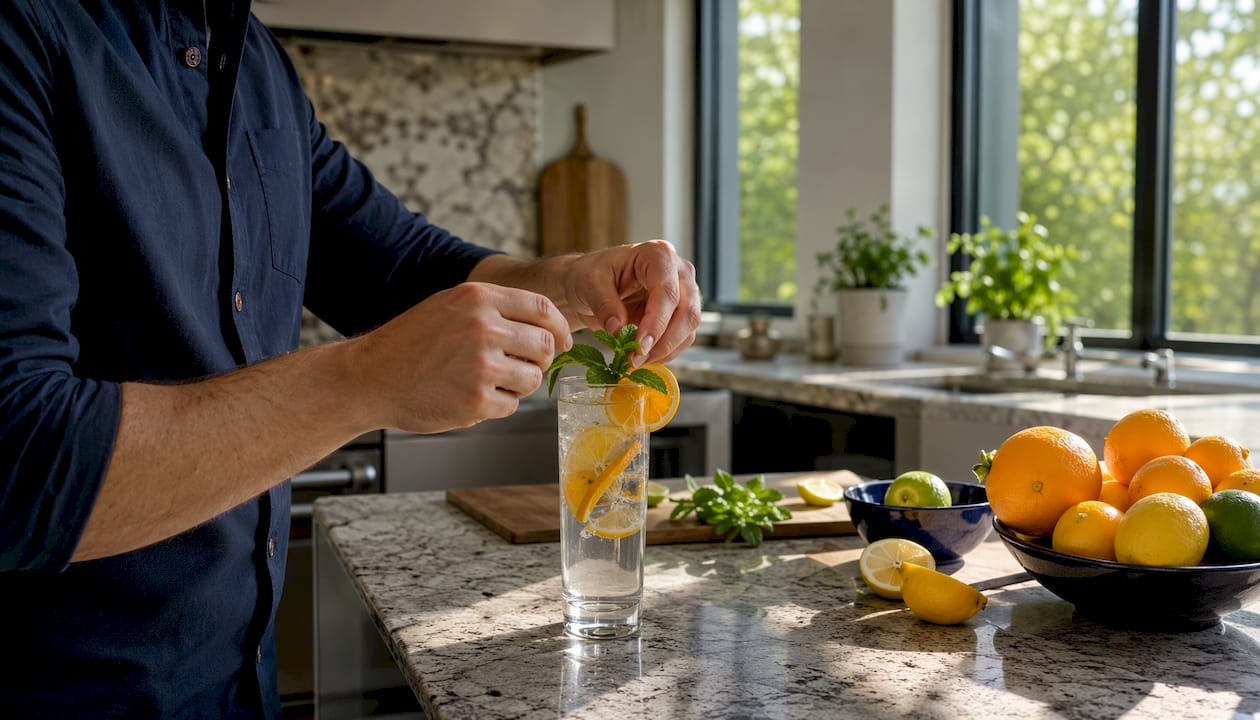
Pro Tip: Garnish a glass with a pineapple wedge or a skewer of cherries before handing it to your child. The visual drama of a “fancy” drink makes even plain sparkling water feel like a treat.
For more creative ideas on natural fruit drinks for kids, Drinksolidviibe has a dedicated parent’s guide worth bookmarking.
Healthy drink recipes to try at home
These recipes are simple, require no cooking, and use ingredients available at any Canadian grocery store.
-
Strawberry-basil infused water. Muddle three or four strawberries lightly, add two fresh basil leaves, and drop both into a pitcher of cold water. Refrigerate for at least one hour. The colour turns a soft pink that children love.
-
Cucumber-mint water. Slice half a cucumber thinly and add a small handful of fresh mint. This combination is cooling and mild, making it one of the easiest introductions for children who resist flavoured water.
-
Berry-citrus smoothie. Blend one cup of frozen mixed berries with half a banana, one cup of unsweetened oat milk, and a handful of spinach. The spinach disappears completely into the purple colour. Homemade smoothies made with nutrient-dense ingredients are an acceptable healthy beverage, far superior to store-bought versions loaded with added sugar.
-
Coconut water with lime. Pour plain, unsweetened coconut water into a glass over ice and squeeze in a wedge of lime. No added sugar needed. Coconut water contains natural electrolytes, making it a reasonable choice after active play.
-
Chamomile iced tea. Brew one chamomile tea bag in hot water, let it cool completely, then pour over ice with a slice of orange. Caffeine-free herbal teas like chamomile are safe for children and can be served hot or cold as a genuinely appealing alternative to sweetened drinks.
-
Plain milk with a twist. Serve cold milk in a tall glass with a colourful straw and a small sprinkle of cinnamon on top. One cup of milk provides 300 milligrams of calcium, making it one of the most nutrient-dense drinks a child can have. Avoid chocolate or strawberry-flavoured milks, which carry excess added sugar.
-
Watermelon-mint slushie. Blend two cups of frozen watermelon chunks with a few mint leaves and a squeeze of lime. Pour into a cup with a wide straw. No sweetener required; watermelon is sweet enough on its own.
-
Pineapple-ginger sparkling water. Add a few pineapple chunks and a thin slice of fresh ginger to a glass of plain sparkling water. Plain carbonated water is suitable for children in limited quantities, and naturally flavoured sparkling drinks can effectively replace sugary sodas.
Adjust portion sizes by age. Younger children need smaller servings, and recipes with stronger flavours like ginger should be diluted further for toddlers.
Why hydration and healthy drinks matter for children’s health
Children’s bodies depend on consistent fluid intake for everything from temperature regulation to concentration at school. The right drinks do more than quench thirst.
- Water is the baseline. It is calorie-free, sugar-free, and supports every cell in the body. Health organisations consistently recommend water as the primary beverage for children at all meals and throughout the day.
- Milk builds bones. Plain, unflavoured milk is one of the two healthiest drinks for children over 12 months, alongside water. The calcium it delivers is critical during the years of rapid bone growth.
- Sugary drinks carry real risks. Sugar-sweetened beverages contribute to dental decay, weight gain, and offer no nutritional benefit. Sports drinks and energy drinks fall into this category just as firmly as soda does.
- Hydration needs increase with activity. During hot Canadian summers or after outdoor play, children lose fluids quickly. Keeping infused water or plain water accessible during these times prevents dehydration before it starts.
The American Heart Association recommends that children consume no more than 6 teaspoons of added sugar per day and limit sugary beverages to 8 fluid ounces or less per week.
That limit is easier to hit than most parents realise. A single flavoured sports drink can exceed it in one sitting.
Expert-recommended guidelines for choosing kids’ beverages
The guidance from major health organisations is consistent and worth knowing in specific terms.
- Juice limits by age. Children aged 1–6 should have no more than 4–6 ounces of 100% juice per day; children aged 7–18 can have up to 8–12 ounces. Always choose 100% juice with no added sugar, and treat it as a supplement, not a replacement for milk or water.
- Energy drinks are off the table. Caffeine-containing drinks harm children’s sleep and behaviour. Energy drinks pose additional risks from stimulant content and are not appropriate for children or adolescents at any quantity.
- Sweetened flavoured milks should be limited. Chocolate and strawberry milk carry excess added sugar. Plain pasteurised milk meets dairy recommendations without the sugar load.
- Model the behaviour you want. Children who see adults drinking water regularly are more likely to do the same. Keep a jug of infused water visible in the fridge and drink from it yourself.
- Avoid complete bans. Framing sugary drinks as rare treats rather than forbidden items prevents the heightened desire that strict prohibition tends to create. Moderation, not elimination, builds lasting habits.
- Unsweetened plant-based milks work as substitutes. For children who cannot tolerate dairy, unsweetened fortified soy milk is the closest nutritional match. Choose versions without added sugar or artificial sweeteners.
Understanding student vending habits shows that young people gravitate toward what is most accessible. The same principle applies at home: stock the fridge with the drinks you want your children to choose.
What Drinksolidviibe knows about natural ingredients and sparkling drinks for kids
Natural, minimally processed ingredients make a measurable difference in both taste and health outcomes. When a drink contains real fruit flavour rather than artificial flavouring, children tend to accept it more readily, and parents can feel confident about what they are serving.
- Sparkling water with natural fruit flavours is a legitimate soda replacement. The fizz satisfies the sensory craving that draws children to carbonated drinks, without the sugar or artificial additives. Drinksolidviibe’s lemon-ginger and passionfruit flavours are built on exactly this principle.
- Read labels carefully. Look for drinks with no added sugars, no artificial sweeteners, and no caffeine. A short ingredient list with recognisable names is the clearest sign of a quality product.
- Functional flavours add value. Ingredients like ginger have a long history of supporting digestive comfort, and citrus provides natural vitamin C. Choosing beverages with these kinds of ingredients means the drink does more than hydrate.
- Combine education with options. When children understand, in simple terms, why a drink is good for them, they are more likely to choose it willingly. Pair a new drink with a quick, age-appropriate explanation: “This one has real passionfruit in it, and it helps your body stay hydrated.”
For families curious about kid-friendly sparkling drinks, Drinksolidviibe’s guide covers how to identify options that are both appealing and genuinely healthy.
How beverage needs change as children grow
Age shapes everything about what a child should drink, from portion size to the types of nutrients that matter most.
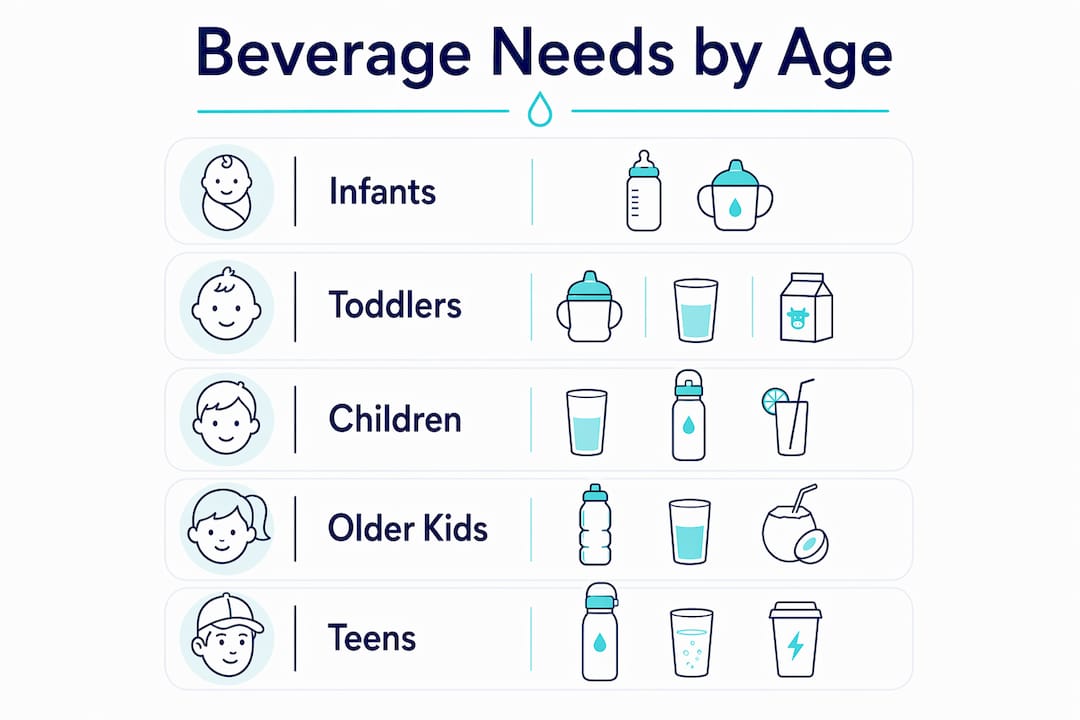
Infants under 12 months need only breast milk or formula. Water is not recommended before six months, and juice should not be introduced at all in the first year.
Toddlers aged 1–3 transition to whole milk and plain water as their primary drinks. Milk intake should sit around 2 cups per day for children aged 2–3. Juice, if offered at all, stays under 4 ounces daily.
Children aged 4–8 need roughly 2.5 cups of milk per day and increasing amounts of water, particularly during active play. This is the age where flavoured water and simple smoothies work well as introductions to variety.
Older children and teens aged 9–18 can handle up to 3 cups of milk daily and benefit from higher water intake, especially during sports. The American Heart Association’s added sugar limit of 6 teaspoons per day applies across this entire age range. Energy drinks remain off-limits regardless of age.
The through-line across every stage is the same: water and plain milk do the heavy lifting, and everything else is supplementary.
A note from Drinksolidviibe
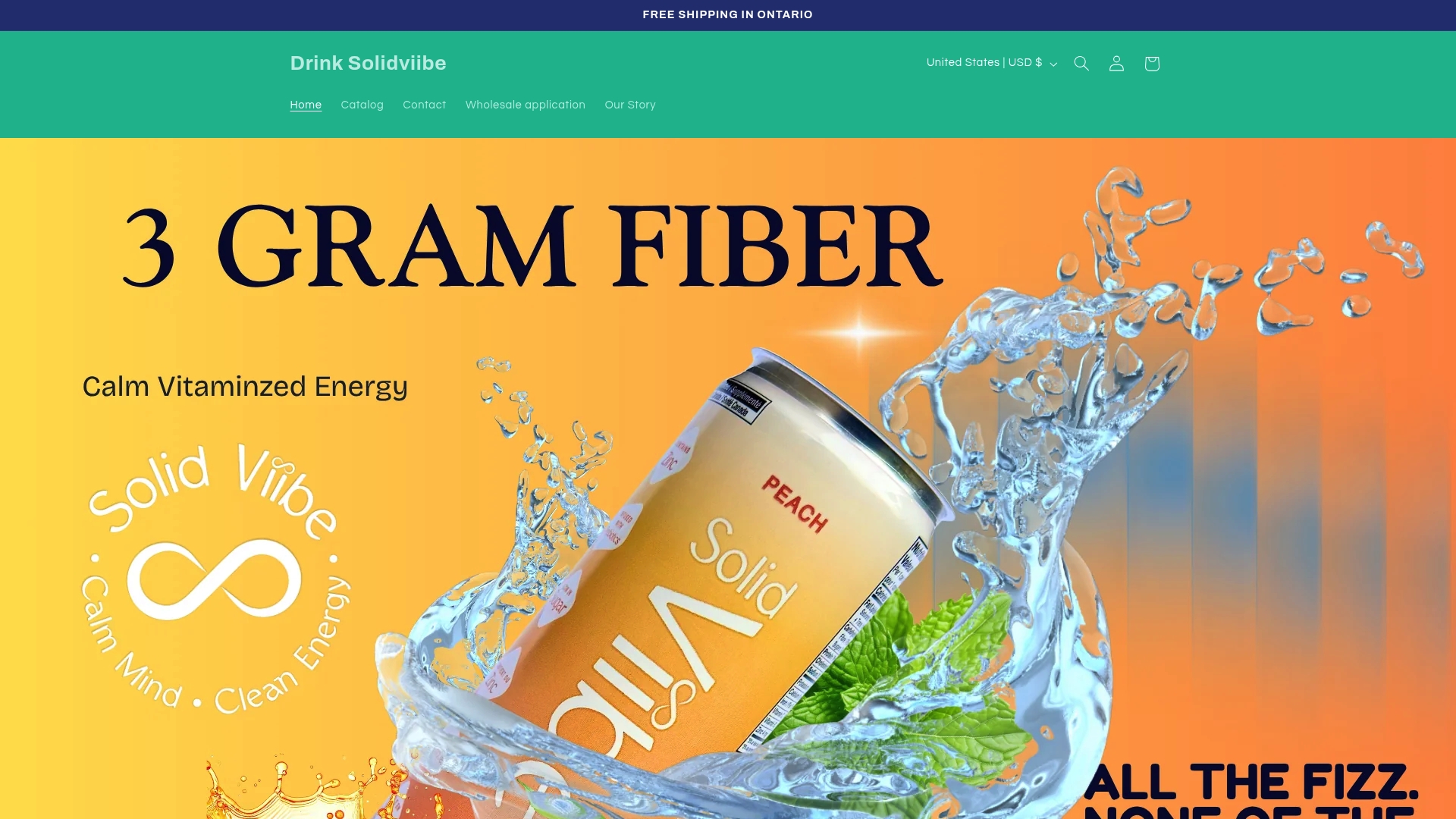
Drinksolidviibe was built around one idea: that a drink can taste genuinely good without relying on sugar or artificial ingredients. The Solidviibe Sparkling Beverage Variety Pack brings together lemon-ginger and peach passionfruit flavours in a naturally functional format that health-conscious families can feel good about. If you are looking for a ready-made option to replace sugary sodas at the dinner table or on the go, this is a practical place to start.
Key takeaways
Making healthy drinks appealing to kids requires combining creative presentation, age-appropriate recipes, and consistent modelling of healthy habits within the family.
| Point | Details |
|---|---|
| Presentation drives acceptance | Colourful cups, fun straws, and garnishes engage children’s senses and make healthy drinks feel special. |
| Involve kids in preparation | Children who help choose and prepare their drinks are significantly more likely to enjoy and drink them. |
| Juice needs strict limits | Children aged 1–6 should have no more than 4–6 ounces of 100% juice per day; children aged 7–18 can have up to 8–12 ounces; milk and water come first. |
| Added sugar has a firm ceiling | The American Heart Association recommends no more than 6 teaspoons of added sugar per day for children. |
| Sparkling water replaces soda | Plain or naturally flavoured carbonated water satisfies the fizz craving without added sugar or caffeine. |


