
What natural pop actually means and what to buy

Natural pop is a low or no added sugar carbonated drink made with real fruit, botanical extracts, or juice, often fortified with prebiotic fibre or shelf-stable probiotics instead of high fructose corn syrup and artificial dyes. Before you grab a can, check four things: grams of sugar per serving, the exact sweetener name (not just “natural sweeteners”), the percent real juice, and whether any probiotic or prebiotic claim names a specific strain or fibre source. A can that skips one of these on the nutrition panel usually isn’t hiding a bargain.
- Sugar per serving: under 5g is genuinely low; anything past 12g is just soda with a nicer label.
- Sweetener type: monk fruit, stevia, allulose, or organic cane sugar, named explicitly.
- Real juice percentage: listed as a number, not just “made with real fruit.”
- Probiotic or prebiotic claim: a named strain (like Bacillus coagulans DE111) or a stated fibre gram count, not just the word “probiotic” on the can.
If you want a shortcut, Drinksolidviibe’s sparkling wellness tonics are built around exactly this checklist, with declared sugar counts and named functional ingredients on every can.
Key Takeaways
Natural pop earns its “better for you” label only when sugar per serving, sweetener type, and any probiotic or prebiotic claim are stated explicitly on the can rather than implied by front-label marketing.
| Point | Details |
|---|---|
| “Natural” isn’t regulated | The FDA has no formal definition for “natural” on labels, so front-of-can claims mean little without checking the nutrition panel. |
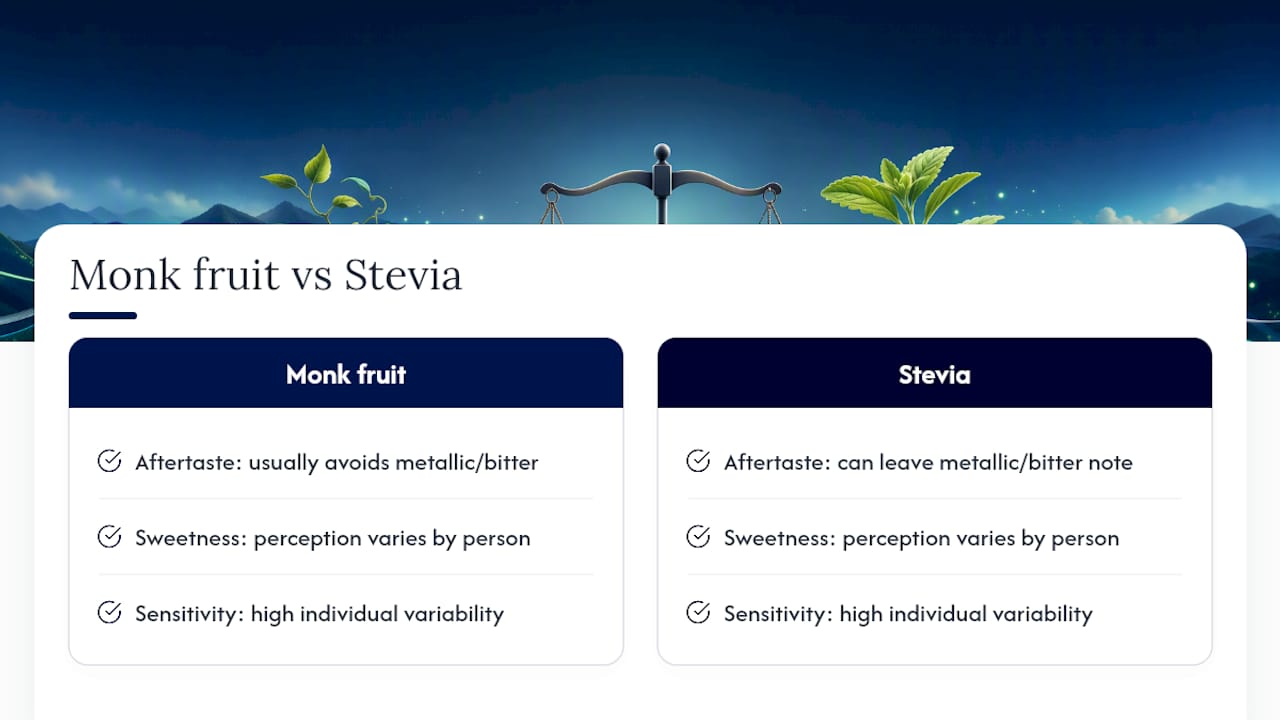
| Sweetener choice affects taste | Monk fruit tends to avoid stevia’s metallic aftertaste, though sensitivity to either sweetener varies by person. |
| Named strains beat vague claims | A probiotic claim naming a specific strain like DE111 is far more trustworthy than the word “probiotic” alone. |
| Sugar range is wide | Conventional soda runs about 39g sugar per can, while natural pops range from near 0g to 30g depending on sweetener and juice content. |
| Drinksolidviibe fits the checklist | Its cans declare sugar content and sweetener type clearly and build flavours like lemon-ginger and passionfruit around functional ingredients. |
Table of Contents
- What “natural” actually means on a natural pop label
- Sweeteners, probiotics, and additives worth knowing before you buy
- How natural pop compares to regular soda on sugar and calories
- The main styles of natural pop and what each one tastes like
- A quick decision framework for choosing the right can
- Why Drinksolidviibe fits this brief
- Where to find natural pop and how to keep it fresh
- Where natural pop actually came from
- The environmental side of natural pop production
- How natural pop gets made, from batch to can
- What the label debate gets wrong
- Try Drinksolidviibe for your next natural pop swap
- Sources
What “natural” actually means on a natural pop label
Here’s the part most shoppers get wrong: “natural” isn’t a nutrition claim. It’s a marketing word with no legal teeth. The FDA has no formal definition for the term “natural” on most food and beverage packaging, which means two cans sitting side by side on a shelf, both shouting “All Natural,” can have wildly different sugar counts, sweetener sources, and processing methods.
That gap between what “natural” implies and what it guarantees is where a lot of grocery budgets get wasted. A can that says “natural flavours” tells you the flavour compound originated from a plant, animal, or mineral source rather than a lab, full stop. It says nothing about how much sugar is inside, whether the fruit content is a splash or a genuine dose, or whether preservatives were added downstream.
Organic certification is a different animal entirely, and a stricter one. A product carrying the USDA Organic seal has to meet actual growing and processing standards verified by a certifying agent. “Real fruit” claims sit somewhere in between: legally defensible if there’s any real fruit derivative in the formula, but not a guarantee of a meaningful juice percentage.
- “Natural flavours” means plant, animal, or mineral origin. It says nothing about sugar or juice content.
- “Organic” requires third-party certification and actual growing standards.
- “Made with real fruit” can mean a large juice percentage or a trace amount. Check the ingredients panel, not the front label.
- “No artificial sweeteners” rules out aspartame and sucralose but says nothing about how much cane sugar or juice concentrate is inside.
Sixty seconds of label reading beats any front-of-can claim. Flip the can, find the Nutrition Facts panel, and look at grams of sugar per serving first. Then check the ingredient list for where the sweetener sits in the order (ingredients are listed by weight, so a sweetener near the top means there’s a lot of it). This two-step habit catches almost every “natural” pop that’s really just soda in better packaging.
Sweeteners, probiotics, and additives worth knowing before you buy
Not all natural sweeteners taste the same, and the differences matter more than most people expect on the first sip.
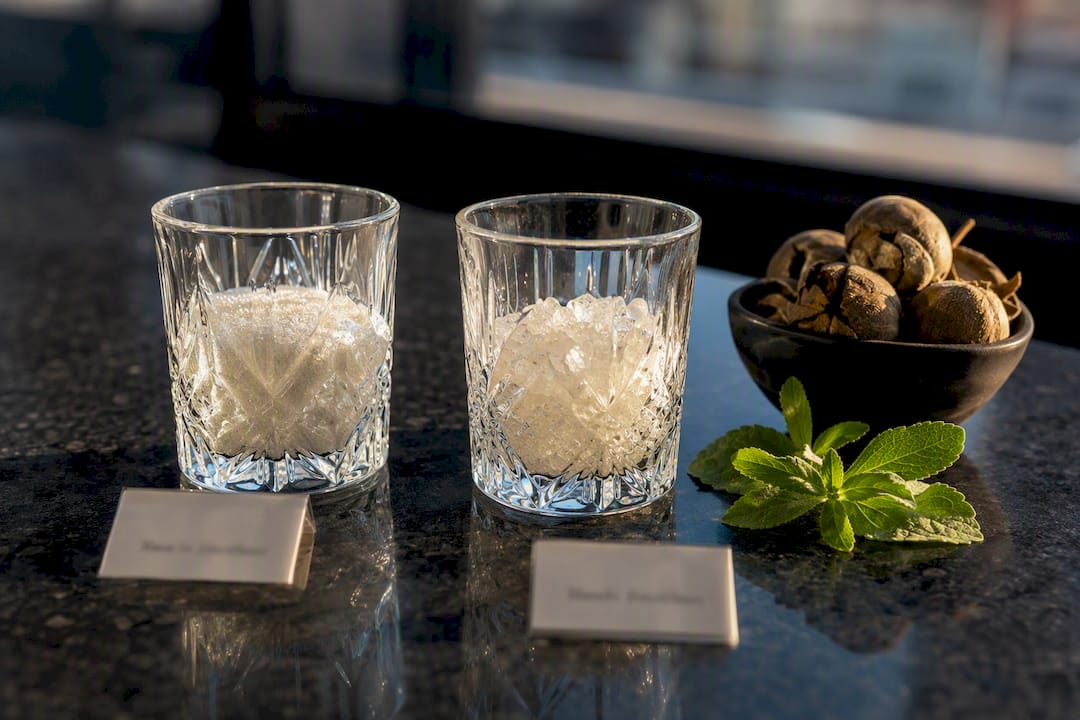
1. Monk fruit versus stevia. Monk fruit extract tends to avoid the lingering metallic or bitter aftertaste that stevia sometimes leaves behind, though sensitivity to either sweetener varies a lot from person to person. If you’ve tried a stevia soda and hated it, don’t write off the whole no-sugar category. A monk fruit blend can taste completely different.
2. Juice concentrate and hidden sugar. “Juice concentrate” sounds wholesome, but it’s still sugar, just from a fruit source instead of a factory. A can sweetened primarily with apple or grape juice concentrate can carry nearly as much sugar as a conventional soda. Check the total sugar grams, not just the ingredient source.
3. Probiotic strains and shelf stability. This is where label literacy really pays off. A shelf-stable probiotic soda uses strains engineered to survive without refrigeration, which is a meaningfully different product than a raw, refrigerated fermented drink like traditional kombucha. Neither is superior across the board, but they behave differently: shelf-stable cans travel to a gym bag or office desk drawer without spoiling, while raw fermented drinks need a cold chain from brewery to fridge. When a can claims “probiotic,” look for a named strain, such as DE111, rather than the generic word alone. A named strain is the most trustworthy signal that the claim is backed by something real rather than simplified marketing language.
4. Preservatives and acids. Citric acid and ascorbic acid show up in most carbonated drinks, natural or not, mainly to stabilize flavour and pH. They’re not something to fear on a label. Where you should pay closer attention is added colours from concentrated vegetable or fruit extracts. They’re natural in origin but can still be a sensitivity trigger for a small number of people.
Pro Tip: Buy a single can before committing to a 12-pack, especially with a new sweetener. Stevia and monk fruit sensitivity is genuinely individual, and a $3 test run beats a case of soda you won’t finish.
How natural pop compares to regular soda on sugar and calories
A standard 12-ounce can of conventional soda runs roughly 140 to 150 calories and 39 grams of added sugar, all of it from high fructose corn syrup or cane sugar with zero nutritional upside. Natural pop options span a much wider range, and that range is exactly why label reading matters more here than in almost any other beverage category.
Sugar-free or no-added-sugar drinks are generally associated with fewer calories and better outcomes for dental health compared with sugary soft drinks, according to the British Heart Foundation. But that same guidance flags a real trade-off: some sugar-free formulations lean on artificial sweeteners that carry their own downsides for taste or digestion. A “natural” no-sugar pop sweetened with monk fruit or stevia sidesteps that specific trade-off, which is part of why the category has grown so quickly.
- Conventional soda: roughly 140 to 150 calories, around 39g added sugar per 12oz can.
- Juice-forward natural sodas: can range from 20g to 30g of sugar per can when juice concentrate is the primary sweetener.
- Low-sugar natural pops: typically under 5g sugar per can when monk fruit, stevia, or allulose does the sweetening.
- Zero-sugar sparkling fruit waters: essentially 0 to 1g sugar, minimal calories.
On functional claims, be honest with yourself about what’s proven versus what’s promising. Prebiotic fibre, usually chicory root or inulin, has a reasonably well-understood role in feeding gut bacteria when consumed in sufficient quantity, though a single can rarely delivers a meaningful dose on its own. Probiotic claims are more variable: survivability depends heavily on the strain and the manufacturing process, which is exactly why a named, shelf-stable strain matters more than the word “probiotic” printed in a friendly font. Read more about what’s actually in soda’s sugar before assuming any can labelled “healthy” clears the bar.
The main styles of natural pop and what each one tastes like
Not every can in the natural soda aisle is chasing the same goal, and knowing the category before you shop saves you from buying something that doesn’t match what you actually wanted.
- Juice-forward fruit sodas lean sweeter with a fuller mouthfeel, since real juice or juice concentrate does most of the flavour and sweetness work. Expect these to sit closer to conventional soda on the sugar scale.
- Botanical and herb-forward pops use extracts like ginger, hibiscus, or elderflower for complexity instead of sugar volume. These tend to run lower in sugar with a more grown-up, less candy-sweet flavour profile.
- Prebiotic and probiotic functional sodas are built around gut health positioning, blending low sugar counts with added fibre or a named bacterial strain. Flavour tends to be crisp and lightly sweet rather than syrupy, which is where a lot of the newer functional wellness tonics land, including flavours like lemon-ginger and passionfruit.
- Zero-sugar sparkling fruit waters skip added sweeteners almost entirely, relying on natural fruit essence for a light, refreshing flavour with negligible calories.
If you’re drawn to bold or unusual flavour combinations, it’s worth browsing exotic sparkling drink flavours built on real fruit and botanicals rather than synthetic flavour compounds. And if plain fizzy water is more your speed on some days, comparing it against flavoured options is a useful exercise in understanding sparkling water’s own health profile before assuming flavour always requires sugar.
A quick decision framework for choosing the right can
Matching a product to your actual goal, rather than grabbing whatever’s on sale, takes about thirty seconds once you know the checklist.
- Start with sugar per serving. If your goal is a daily soda swap, aim for under 5g of sugar per can. If it’s an occasional treat, a 15 to 20g juice-forward option is a reasonable middle ground versus 39g in regular soda.
- Check the sweetener name specifically. If you’ve had a bad experience with stevia’s aftertaste, look for monk fruit or allulose instead.
- Confirm probiotic or prebiotic claims name something concrete. A strain name or a fibre gram count is trustworthy. The bare word “probiotic” with nothing else listed is not.
- Look at percent real juice if the flavour is fruit-based. A higher percentage usually means better flavour but also more natural sugar.
- Check for organic certification if that’s a priority. The USDA Organic seal is verifiable; “natural” is not.
- Match the style to the use case. A lightly sweet, low-sugar botanical pop suits an everyday swap. A juice-forward option might suit kids better, though kid-friendly sparkling drinks deserve their own sugar-per-serving scrutiny too. A functional, lower-sugar can with electrolytes or B vitamins fits better post-workout than a sugary sports drink, a comparison worth reading in more detail if that’s your main use case.
Red flags worth walking away from: a front label plastered with “natural” but no sugar figure under 15g, a probiotic claim with no strain name anywhere on the can, or an ingredient list where “cane sugar” or “juice concentrate” sits in the first three ingredients despite a “healthy” front-of-pack design.
Why Drinksolidviibe fits this brief
Everything covered so far, sugar transparency, named functional ingredients, and honest labelling, is the exact standard Drinksolidviibe was built around. Every can states its sugar content plainly, uses named natural sweeteners rather than vague “natural sweetener blend” language, and builds its flavours, like lemon-ginger and passionfruit, around real functional ingredients rather than synthetic flavour compounds chasing a soda taste-alike.
The gap between a “wellness” can and an actual wellness beverage comes down to what’s printed on the back, not what’s promised on the front. A can that names its sweetener, states its sugar count plainly, and backs a functional claim with a real ingredient is doing the one thing most “natural” sodas skip.
- Ingredient transparency: sugar content and sweetener type declared clearly on every can, no vague “natural flavour blend” language.
- Functional focus: nutrient-enriched formulas built around gut health and immunity support rather than sugar-driven flavour alone.
- Flavour variety: passionfruit, lemon-ginger, and peach, developed for genuine flavour depth rather than a diet-soda imitation.
- Format flexibility: available in single cans and variety packs, useful for testing a flavour before committing to a case.
For readers who want to understand why ingredient sourcing matters this much in the first place, why natural ingredients matter in your drinks breaks down the sourcing side in more depth.
Where to find natural pop and how to keep it fresh
Packaging format tells you more about a natural pop’s shelf life and use case than most shoppers realize. Cans dominate the category because they block light exposure, which protects both flavour and any live-culture claims, and they’re easier to toss in a bag than glass bottles. Retail listings, including a 12-pack probiotic soda variety pack, show how common the 12-can multipack format has become for exactly this reason.
- Single cans: best for testing a new flavour or sweetener before committing to a full case.
- 12-packs and variety packs: the standard format for regular household use, usually the best per-serving cost.
- Shelf-stable versus refrigerated: shelf-stable probiotic cans store like any other soda in a pantry; raw fermented drinks need continuous refrigeration to protect live cultures.
- Retail channels: grocery stores, big-box retailers, and direct-to-consumer websites all carry natural sodas, though selection and freshness vary. Browsing a retailer’s natural soda category page is a fast way to compare sweeteners and sugar counts across several brands at once.
For serving, keep it simple if you want the functional ingredients to actually matter: pour over ice rather than mixing into a sugary cocktail base, which dilutes the point of choosing a low-sugar option in the first place. If you’re curious about building your own version at home, there’s a decent case for making soda alternatives from scratch using real fruit and a soda maker, though matching a shelf-stable probiotic’s manufacturing precision isn’t realistic in a home kitchen.
Where natural pop actually came from
Carbonated fruit drinks aren’t new. Pharmacists in the 1800s were mixing fruit syrups, herbal extracts, and carbonated water at soda fountains as tonics, long before Coca-Cola or Pepsi turned soda into a mass-market sugar product. Early “natural” sodas were genuinely closer to medicine than dessert, often marketed for digestive or tonic benefits using real botanicals like ginger, sarsaparilla, and birch.
The mid-20th century pushed the category in the opposite direction. Mass production favoured cheap high fructose corn syrup, synthetic flavour compounds, and artificial colour, and “natural” soda largely disappeared from shelves for decades while sugar-heavy, shelf-stable formulas took over.
The current wave of natural pop is really a return trip. Rising interest in gut health, growing skepticism of artificial sweeteners, and a broader shift toward reading ingredient labels have pulled real fruit, botanical extracts, and functional additives like probiotics back into carbonated drinks. What’s genuinely new this time around is the science behind shelf-stable probiotic strains, something 1800s soda fountains never had access to, which lets modern natural pop deliver a functional claim without needing refrigeration.
The environmental side of natural pop production
Aluminum cans, the dominant format for natural pop, have a real sustainability edge over glass and plastic. Cans are among the most recycled beverage containers in North America, and recycled aluminum requires dramatically less energy to reprocess than producing new aluminum from raw ore.
Ingredient sourcing adds another layer. Brands using organic-certified fruit and botanicals typically commit to farming practices that avoid synthetic pesticides, which reduces the chemical load entering soil and waterways compared with conventional large-scale sugar and corn farming that feeds most mainstream sodas. That said, organic certification says nothing about transportation distance or water use, both of which vary widely by brand and ingredient source.
Water usage matters more than most shoppers consider. Carbonated beverage production is water-intensive at every stage, from growing the fruit to processing and bottling, and brands sourcing juice concentrate from water-stressed growing regions carry a heavier footprint than those using regional or lower-water-need botanicals like ginger or hibiscus.
Packaging minimalism plays a role too. Multipack cardboard, when it’s recyclable and unbleached, adds less waste than shrink-wrapped plastic multipack sleeves, a small detail worth checking if sustainability factors into your buying decision alongside sugar content and sweetener type.
How natural pop gets made, from batch to can
Manufacturing starts with a base of carbonated water, which is chilled and infused with carbon dioxide under pressure, the same fundamental process used for any sparkling beverage. What differs in natural pop is everything added to that base.
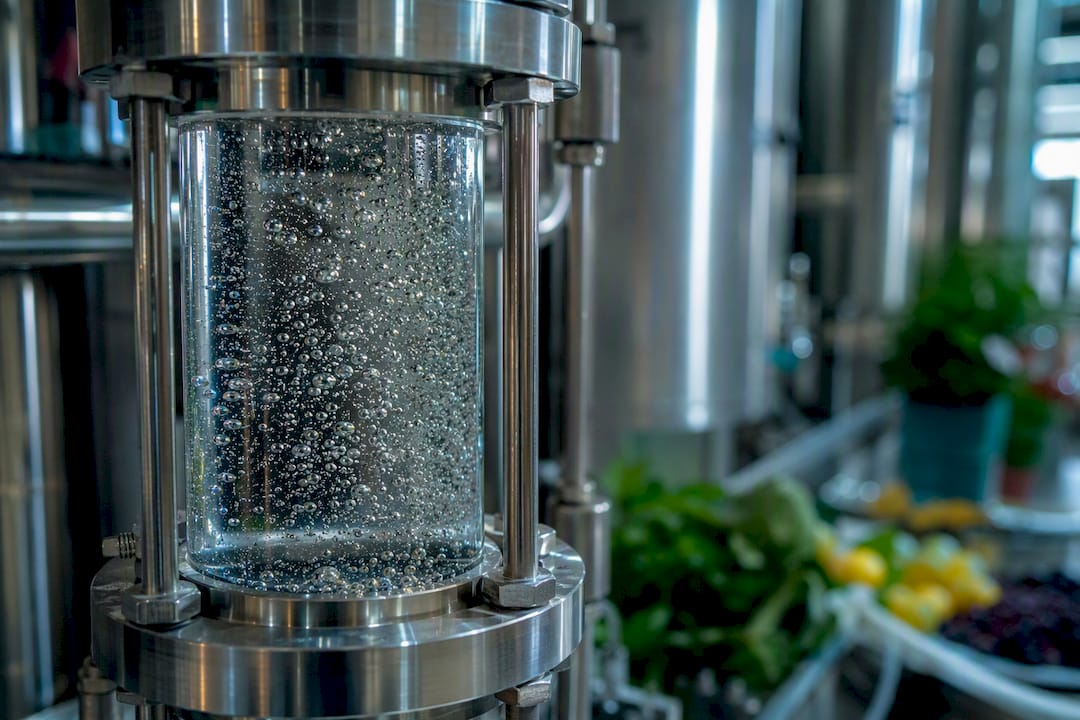
Flavour development typically starts with real fruit juice, juice concentrate, or botanical extracts steeped or pressed to capture flavour compounds without synthetic additives. Sweeteners, whether monk fruit extract, stevia leaf extract, or organic cane sugar, get blended in a precise ratio to hit a target sugar count, which is why declared sugar per serving can vary so much even within a single brand’s flavour lineup.
Functional additions, like prebiotic fibre or a shelf-stable probiotic strain, are typically added late in the process to protect their integrity. Shelf-stable strains are selected specifically for their ability to survive the carbonation and canning process without refrigeration, a meaningfully different formulation challenge than adding live cultures to a refrigerated product. This is also where quality control matters most: a named strain with a documented survivability rate at the time of manufacture is a stronger signal of formulation rigour than a vague probiotic claim with no batch testing behind it.
Once blended, the mixture is carbonated, canned or bottled under pressure, and sealed to lock in both fizz and freshness before it ever reaches a shelf.
What the label debate gets wrong
Most advice on natural soda treats “natural” as a meaningful filter, when it’s really just a starting point for a more useful question: what does the sugar count and ingredient list actually say? The conventional wisdom, “buy natural, skip the guilt,” ignores that a juice-forward natural soda can carry nearly as much sugar as the can it’s replacing.
What gets underrated is strain naming. Shoppers fixate on the words “organic” and “natural” while skipping straight past whether a probiotic claim names anything real. A can with a named, shelf-stable strain and a modest sugar count is doing more nutritional work than a “natural” soda sweetened almost entirely with grape juice concentrate.
If there’s one habit worth building, it’s reading the back of the can before the front. Sugar per serving, sweetener name, and strain name (if any) tell you almost everything that matters, and they take less time to read than the marketing copy took to write. The category has genuinely improved over the last decade, brands like Drinksolidviibe are proof of that, but the improvement only helps you if you’re checking the numbers rather than trusting the adjectives.
— Sharon
Try Drinksolidviibe for your next natural pop swap
Drinksolidviibe makes the shopping checklist above easy to satisfy in one can. Every flavour, including lemon-ginger, passionfruit, and peach, is built with declared sugar content, named natural sweeteners, and functional ingredients meant to support gut health and immunity rather than just mimicking a soda flavour.
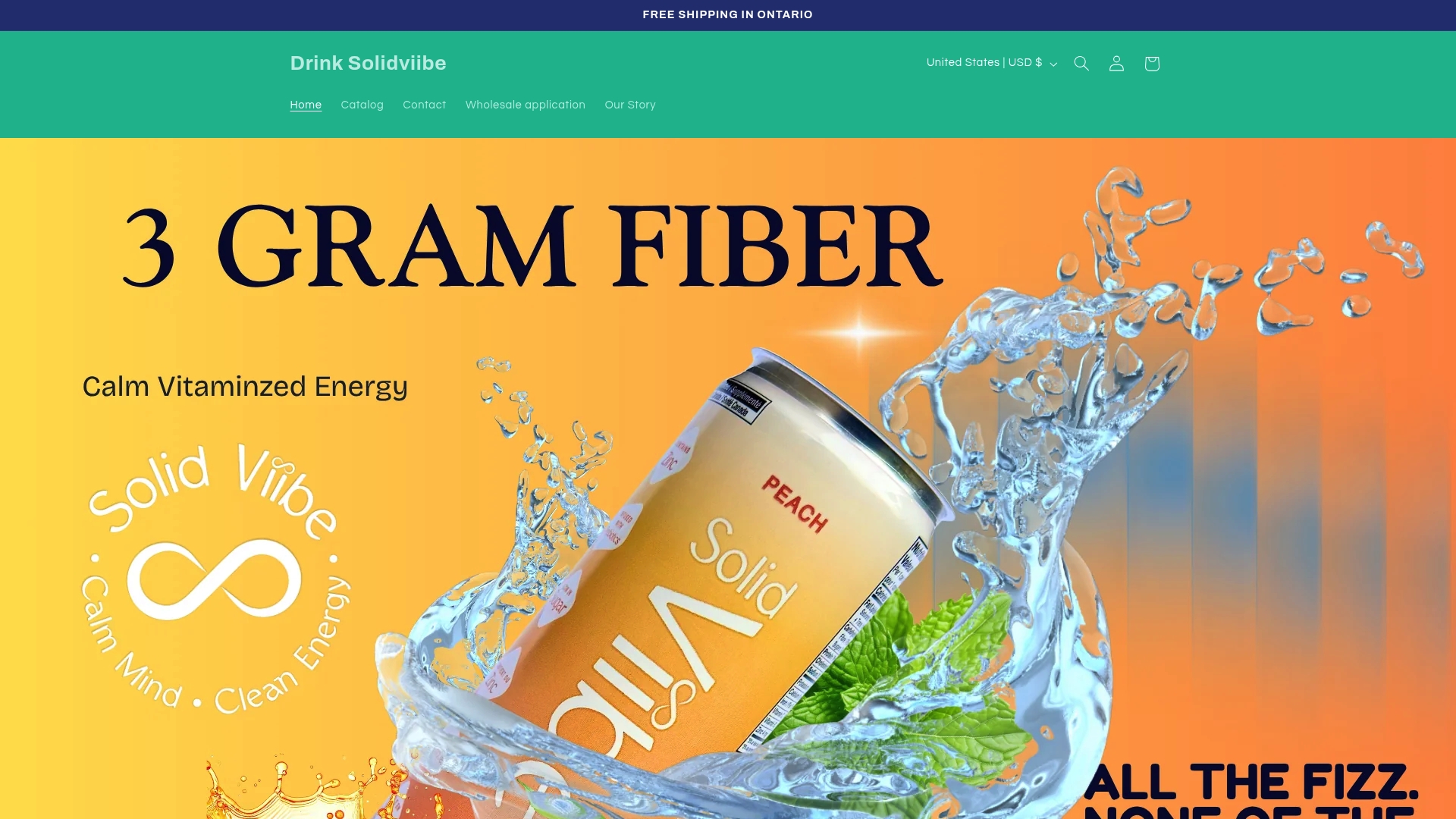
If you’ve been comparing juice-forward sodas against sparkling fruit waters and functional probiotic cans, Drinksolidviibe sits at the intersection: low sugar, real ingredient sourcing, and a flavour lineup designed for actual enjoyment rather than compromise. Single cans let you test a flavour before committing, and variety packs are built for households that want options without buying four separate cases. Head to the Drinksolidviibe landing page to check current flavours and pack sizes, and pick a variety pack if you’re still deciding which flavour fits your daily routine best.
Sources
- Allrecipes — 30 healthy soda alternatives
- British Heart Foundation — Healthy soft drinks explained
- Target — Natural soda category


