
How to pair sparkling drinks with meals: 2026 guide

The best approach to pair sparkling drinks with meals comes down to three variables: acidity, sweetness, and carbonation intensity relative to what’s on the plate. High-acid sparkling wines cut through fat the way a squeeze of lemon does on fried fish, while carbonation mechanically scrubs the palate between bites. Get those two things right and the food tastes fresher, the drink tastes livelier, and the whole meal lifts.
Core pairing rules to keep in mind:
- Match sweetness levels. A dry Brut next to a sweet dessert turns bitter fast.
- Let acidity do the work. Fizzy, high-acid drinks belong beside rich, fatty, or fried foods.
- Match weight to weight. A delicate sparkling water or Blanc de Blancs gets swamped by a heavy beef stew.
- Contrast or complement. Dry and acidic against salty chips works. Sweet Moscato d’Asti against a fruit tart works too. Both strategies are valid.
- Watch carbonation intensity. Lightly sparkling options suit sensitive palates better than aggressively fizzy drinks.
Basic principles of pairing sparkling drinks with food
Acidity is the engine behind almost every successful sparkling pairing. It cuts through fat, resets your palate, and makes the next bite taste as good as the first. Carbonation adds a mechanical scrubbing effect on top of that, which is why sparkling drinks work so well alongside fried, creamy, or oily dishes.
Sweetness is the one rule you genuinely cannot bend. Your drink must be at least as sweet as the food it accompanies, or the drink will taste sour and harsh by comparison. A bone-dry Brut Nature with wedding cake is a memorable mistake for all the wrong reasons.
Weight matters just as much. A light, low-alcohol sparkling drink gets overpowered by a braised short rib; a full-bodied vintage sparkler overwhelms a simple green salad. Think of it as pairing dance partners of similar size.
Common mistakes to sidestep:
- Serving a dry sparkling wine with a sweet dessert.
- Choosing an intensely carbonated drink for a delicate dish where the bubbles dominate.
- Ignoring the dish’s dominant flavour (fat, spice, salt, acid) when selecting a style.
- Serving sparkling drinks too warm, which flattens both the bubbles and the aroma.
How to pair sparkling water with various meal courses
Sparkling water is the most neutral palate cleanser at the table, and that neutrality is its strength. It refreshes without adding flavour, which makes it ideal between courses or alongside delicate dishes where even a lightly sweet drink would compete. Culinary professionals increasingly use it in fine dining for exactly this reason.
Across a multi-course meal, plain sparkling water works best with appetisers like oysters, ceviche, or a simple green salad. For mains, it holds its own beside grilled white fish or lightly seasoned chicken. Lightly flavoured variants, such as sparkling water with a hint of cucumber or citrus, can complement Asian-inspired dishes without the sweetness of a soda.
Sparkling botanical sodas sit one step above plain sparkling water in complexity. A lemon-ginger sparkling drink, for instance, echoes the citrus and spice notes in Thai or Vietnamese dishes, creating a gentle complement rather than a neutral backdrop. The health benefits of sparkling water extend beyond the table too, making it a genuinely smart default for health-conscious diners.
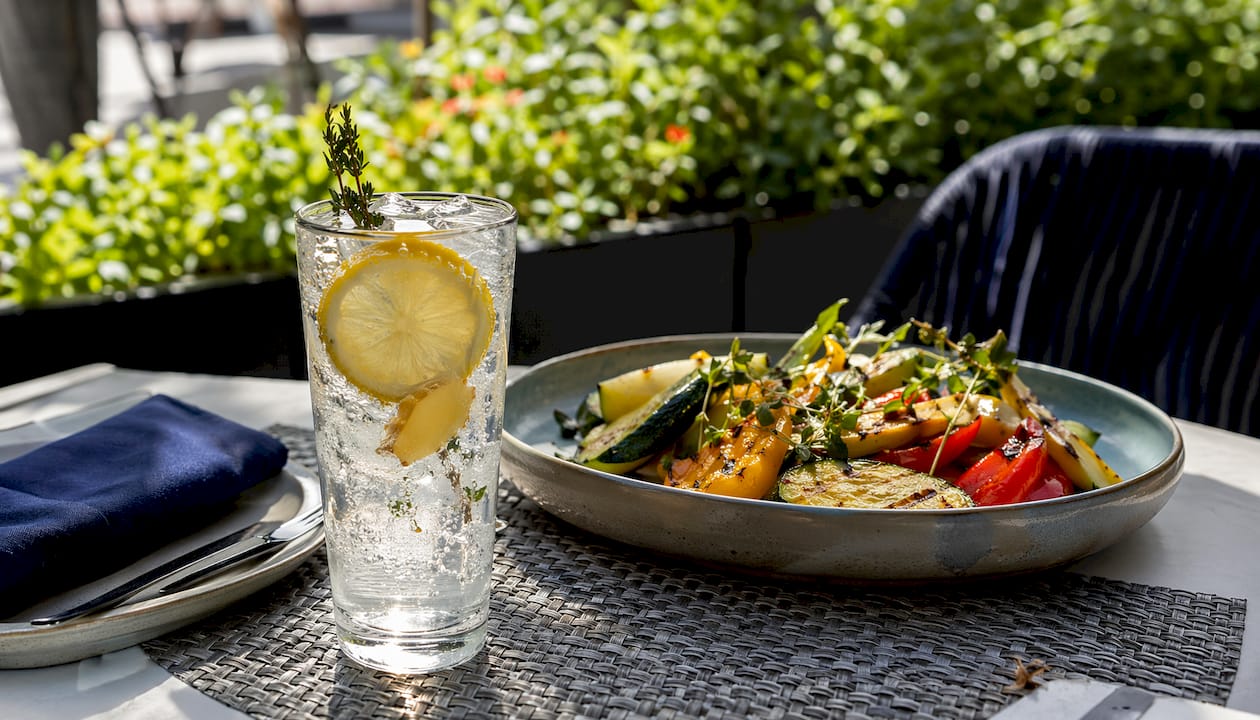
Pro Tip: At a multi-course dinner, keep a glass of plain sparkling water alongside your main drink. A sip between courses resets your palate cleanly, so the next wine or beverage lands exactly as the winemaker or producer intended.
Glassware and temperature both affect the experience. Serve sparkling water well chilled (around 4–8°C) in a tall, narrow glass to preserve carbonation and keep the drink refreshing rather than flat.
Which sparkling wine styles pair best with different dishes?
The style of a sparkling wine directs its ideal food context more than almost any other factor. Beverage directors describe Blanc de Blancs as the “sharpest tool” in the sparkling toolkit, while Rosé sparkling offers fuller body and red-fruit generosity for heartier plates.
“The trick to pairing fizz with food is to lean into what the style is offering: acidity, fruit profile, texture, and sweetness. The best combinations are the ones that make you want to take another bite, then another sip.” — The Real Review, 2025
Blanc de Blancs (typically 100% Chardonnay) is precise, linear, and bone-dry. It pairs beautifully with oysters, scallop crudo, grilled snapper, and creamy brie. The wine’s tight acidity sharpens delicate seafood flavours without overwhelming them. For more on matching sparkling styles to seafood pairings, the principles translate directly from Blanc de Blancs to other high-acid styles.
Champagne Brut and Crémant de Loire are the Swiss Army knives of the sparkling world. Non-vintage Brut balances fruit, acidity, and toastiness to suit an enormous range of savoury foods, from buttered popcorn and smoked almonds to fried chicken and roast chicken. Crémant de Loire specifically tends toward fresh apple and floral notes, making it a natural fit for charcuterie and mild cheeses.

Cava Brut brings an earthy, savoury character that loves Spanish tapas, fried calamari, grilled fish, and vegetable tempura. Its crisp acidity and affordability make it one of the most practical everyday pairings available in Canadian wine shops.
Franciacorta from northern Italy is made by the same method as Champagne and shares its creamy texture and toasty depth. It pairs well with risotto, butter-based pastas, and aged Parmesan, where its richness matches the dish rather than fighting it.
Rosé sparkling wine sits between Blanc de Blancs and a fuller red in terms of body. Expect wild strawberry and raspberry, backed by freshness. It works with charcuterie boards, fresh sashimi, goat’s cheese tarts, duck breast, and even smoked BBQ pulled pork.
Moscato d’Asti is low in alcohol, lightly fizzy, and sweetly floral. Sweet sparkling wines like Moscato tame spicy heat while keeping things lively, so a glass alongside Thai green curry or spicy Indian dishes is genuinely one of the more surprising and satisfying combinations at the table.
Demi-sec sparkling wine is the go-to for dessert. The rule is firm: the wine must match or exceed the sweetness of the dish to avoid tasting thin or sharp. Demi-sec works with fruit tarts, panna cotta, and shortbread, but also shines alongside blue cheeses like Stilton or Roquefort, where the sweetness plays against the salt.
Pet Nat (pétillant naturel) is the wild card. These lightly sparkling, often cloudy wines are lower in pressure and carry funky, yeasty, sometimes cidery notes. They suit casual, rustic meals: charcuterie, farmhouse cheeses, roasted root vegetables, and simple grain dishes where their earthy character feels at home.
| Sparkling wine style | Best food matches | Why it works |
|---|---|---|
| Blanc de Blancs | Oysters, scallops, grilled white fish, brie | Sharp acidity and minerality complement delicate, clean flavours |
| Champagne Brut / Crémant de Loire | Fried chicken, smoked almonds, roast chicken, aged Parmesan | Balanced acidity and toastiness cut fat and salt across a wide range |
| Cava Brut | Tapas, fried calamari, grilled fish, tempura | Earthy savouriness and crisp acidity suit fried and savoury dishes |
| Franciacorta | Risotto, butter pasta, aged Parmesan | Creamy texture and toasty depth match rich, slow-cooked dishes |
| Rosé sparkling | Charcuterie, duck breast, sashimi, smoked pork | Red-fruit notes and body handle bigger, smokier flavours |
| Moscato d’Asti | Thai curry, fruit tarts, fresh berries, brunch pancakes | Low alcohol and sweetness tame spice and complement delicate desserts |
| Demi-sec | Fruit tarts, panna cotta, blue cheese, Korean fried chicken | Sweetness balances desserts and contrasts salty or spicy dishes |
| Pet Nat | Charcuterie, farmhouse cheese, roasted root vegetables | Earthy, funky notes suit rustic, casual meals |
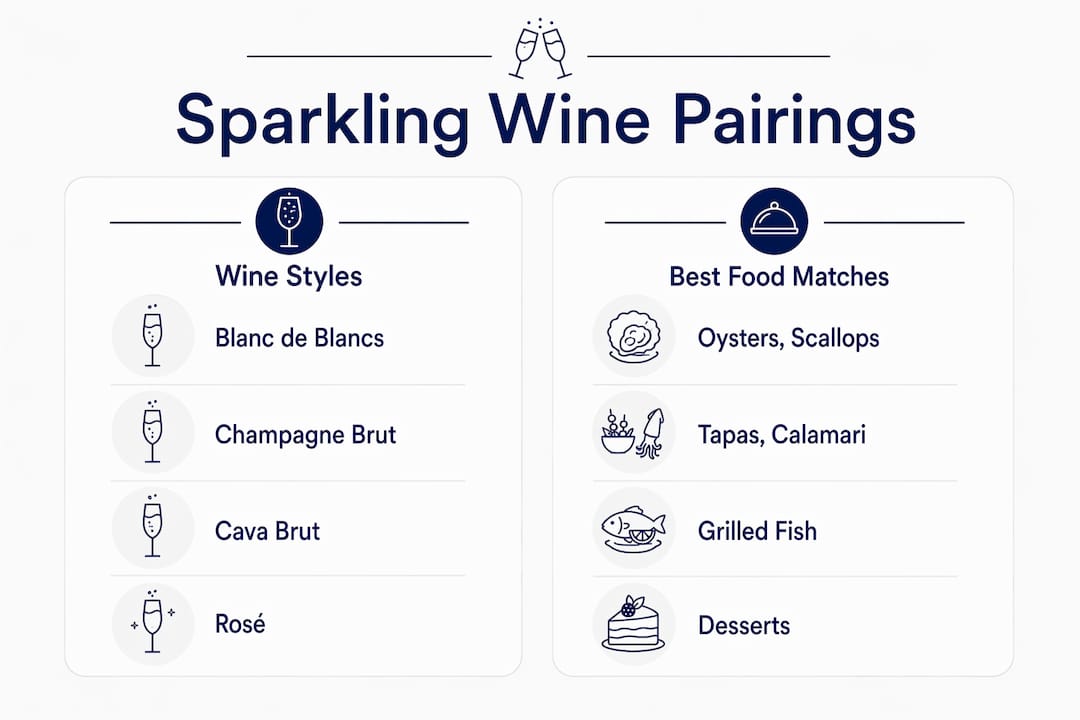
Avoid the most common wine pairing mistakes by checking sweetness alignment before anything else, especially when dessert is involved.
How non-alcoholic sparkling beverages pair with meals
Non-alcoholic sparkling options have moved well past plain soda water. Non-alcoholic Prosecco, for instance, provides a yeasty depth absent in plain sparkling water, making it a genuinely sophisticated choice for pairing rather than a compromise. Kombucha adds fermented complexity and mild tartness that works surprisingly well with grilled meats, grain bowls, and aged cheeses.
Artisanal sparkling botanical sodas and mocktails contribute atmosphere and enjoyment that goes beyond simple flavour matching. A well-made sparkling elderflower or hibiscus drink alongside a summer salad or light fish dish creates the same sense of occasion as a glass of wine, without the alcohol. For non-alcoholic sparkling drink ideas across different occasions, the range of options available in Canada has expanded considerably.
Pairing ideas by course:
- Appetisers: Sparkling botanical sodas with cucumber or mint alongside smoked salmon blinis or spring rolls.
- Mains: Non-alcoholic Prosecco with grilled chicken, vegetable risotto, or light pasta dishes.
- Desserts: Lightly sweet sparkling grape juice or elderflower soda with fruit tarts, pavlova, or shortbread.
- Spicy dishes: A lightly sweet sparkling ginger drink alongside Thai or Indian curries mirrors what Moscato d’Asti does with heat.
One thing to avoid: thin, metallic-tasting non-alcoholic sparkling drinks that flatten the meal rather than lifting it. Quality matters here as much as with wine.
Seasonal and regional considerations for Canadian diners
Canada’s seasons genuinely shape which sparkling pairings feel right. In summer, lighter styles dominate: Blanc de Blancs with fresh Maritime seafood, sparkling rosé at a backyard barbecue in Ontario, or a chilled lemon-ginger sparkling drink alongside grilled corn and cedar-planked salmon from British Columbia. The long days and warm temperatures call for high-acid, refreshing options served very cold.
Autumn and winter shift the table toward richer dishes, and the sparkling choices follow. Crémant de Loire or Franciacorta alongside a Quebec-style tourtière, or a demi-sec with a maple-glazed tart, feels far more satisfying than a bone-dry Brut would. Alberta beef and Ontario pork belly both welcome a fuller-bodied Rosé sparkling or even a Pet Nat with enough earthy character to hold its own.
Regional availability matters too. Cava and Crémant are widely stocked across Canadian liquor boards and offer excellent value compared to Champagne, making them practical choices for everyday pairing rather than special occasions. Non-alcoholic sparkling options, including functional sparkling beverages with natural ingredients, are increasingly available at Canadian grocery and specialty stores, giving health-conscious diners real options at every course.
Try Drinksolidviibe for your next pairing

Drinksolidviibe makes it easy to experiment with sparkling beverage pairings at home. The Solidviibe Sparkling Beverage Variety Pack includes lemon-ginger, peach, and passionfruit flavours, each built from natural ingredients with no added sugar. The lemon-ginger works beautifully alongside Asian-inspired dishes and appetisers; the passionfruit suits lighter mains and fruit-forward desserts. For anyone reducing sugar without giving up flavour, these are worth keeping in the fridge year-round.
Key takeaways
Matching acidity, sweetness, and carbonation to the dish’s weight and flavour profile is the single most reliable way to pair sparkling drinks with meals.
| Point | Details |
|---|---|
| Sweetness alignment is non-negotiable | Your sparkling drink must be at least as sweet as the food, or it will taste sour and harsh. |
| Acidity cuts through fat | High-acid sparkling wines and drinks work best alongside fried, rich, or creamy dishes. |
| Style directs the pairing | Blanc de Blancs suits delicate seafood; Rosé sparkling handles heartier plates like duck or pork belly. |
| Non-alcoholic options have real depth | Non-alcoholic Prosecco and botanical sodas offer complexity beyond plain sparkling water for sophisticated pairings. |
| Season shapes the choice | Lighter, high-acid styles suit Canadian summers; richer, fuller styles fit autumn and winter menus. |


