
Role of antioxidants in drinks: what you need to know

Antioxidants in drinks are defined as compounds that neutralize free radicals, protecting your cells from oxidative damage and supporting overall health. Free radicals are unstable molecules your body produces through normal metabolism, stress, and exposure to pollutants. Left unchecked, they damage cell membranes, proteins, and DNA. Plasma total antioxidant capacity (TAC) is the key biomarker researchers use to measure how well your body manages this oxidative load. Health authorities including the Mayo Clinic recognise antioxidants as central to disease prevention. Everyday beverages like green tea, coffee, and fruit juices are among the richest dietary sources of these protective compounds.
What is the role of antioxidants in drinks?
Antioxidants in beverages work by donating electrons to free radicals, rendering them harmless before they can damage healthy tissue. This process is called free radical scavenging, and it is the core mechanism behind the antioxidant benefits in beverages you hear about in nutrition research. The body also produces its own antioxidant enzymes, primarily superoxide dismutase (SOD) and catalase (CAT), which work alongside dietary antioxidants to maintain oxidative balance.
Phenolic compounds are the dominant class of natural antioxidants in beverages. Green tea delivers catechins, a subgroup of polyphenols with well-documented effects on heart and metabolic health. Coffee provides chlorogenic acid, an antioxidant with anti-inflammatory and anti-diabetes properties that most people overlook entirely. Sorghum-based drinks contain trans-caffeic acid and other phenolics that directly modulate enzyme activity in the body.

The interaction between exogenous antioxidants (those you consume) and endogenous enzymes is more nuanced than most people realise. When you consume potent antioxidants through drinks, your body may actually reduce its own enzyme output as a compensatory response. This is not a sign of deficiency. It reflects the body recognising that oxidative stress has decreased and adjusting accordingly.
Key natural antioxidant sources in common beverages include:
- Green tea: Catechins (EGCG), supporting heart, brain, and metabolic health
- Coffee: Chlorogenic acid, with anti-inflammatory and metabolic benefits
- Orange and pineapple juice: Vitamin C (ascorbic acid), a primary water-soluble antioxidant
- Sorghum-based drinks: Trans-caffeic acid and polyphenols modulating SOD and catalase activity
- Red grape juice: Resveratrol and anthocyanins, linked to cardiovascular protection
Pro Tip: Brewing green tea at 70–80°C rather than boiling water preserves more catechins. Boiling water degrades these delicate polyphenols before you even take a sip.
What health benefits do antioxidants in drinks offer?
The health effects of antioxidants in drinks span cardiovascular, metabolic, and cellular health. The evidence from 2026 clinical research is specific and worth examining closely.
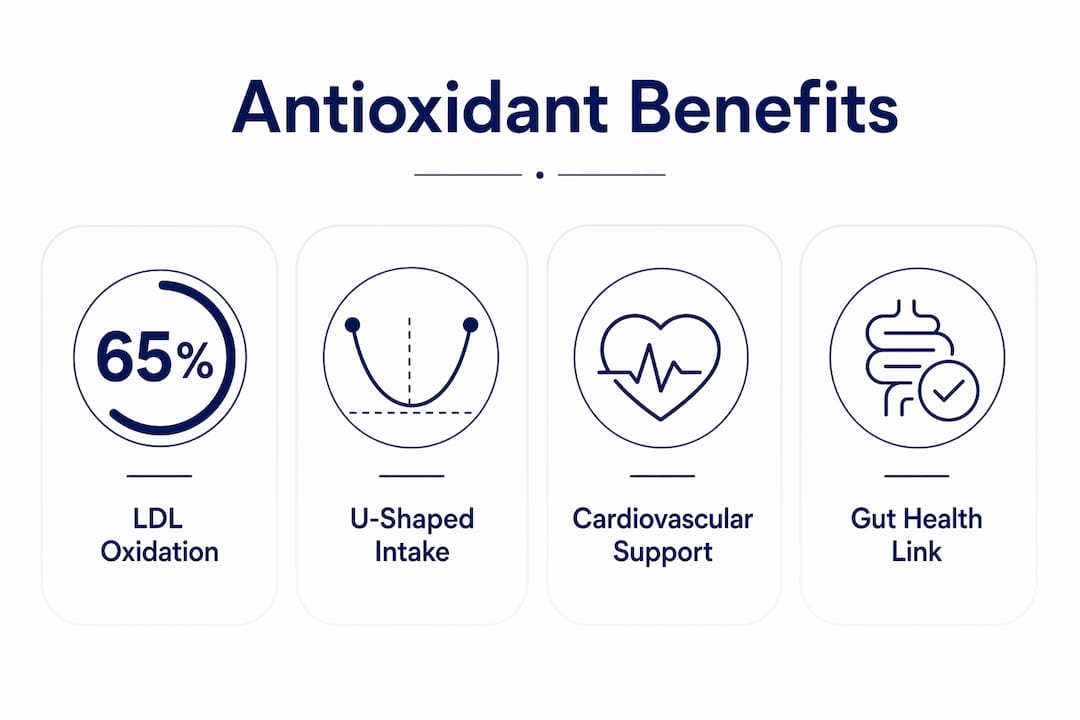
Phenolic compounds in sorghum-based beverages account for roughly 14% of plasma TAC variation and 30% of catalase enzyme activity changes in adults with excess body weight. That 30% figure is significant. It means a single dietary beverage source can meaningfully shift how your body manages oxidative stress at the enzyme level.
Cardiovascular benefits are among the most studied outcomes. Polyphenol supplementation in postmenopausal women reduced oxidized LDL by up to 65%, depending on each person’s gut microbiota metabotype. Oxidized LDL is a key driver of arterial plaque formation, so reducing it directly lowers cardiovascular risk. The same study noted increases in total cholesterol and triglycerides, which underscores that antioxidant intake does not produce uniformly positive outcomes across all lipid markers.
“The relationship between dietary antioxidant intake and cardiovascular health is not linear. Research using the Composite Dietary Antioxidant Index (CDAI) shows a U-shaped association with ischemic heart disease and stroke risk, meaning both too little and too much antioxidant intake can be detrimental.”
This U-shaped finding from large cohort research is one of the most important insights in current nutrition science. It directly challenges the “more is better” assumption that drives a lot of supplement marketing.
| Health outcome | Antioxidant source | Key finding |
|---|---|---|
| Reduced oxidized LDL | Polyphenols (postmenopausal women) | Up to 65% reduction in oxLDL |
| Improved plasma TAC | Sorghum phenolics | 14% variation explained |
| Catalase activity modulation | Trans-caffeic acid | 30% variation in CAT activity |
| Cardiovascular risk (U-shaped) | Composite dietary antioxidants | Balanced intake outperforms excess |
The gut microbiota connection is worth noting separately. The 65% LDL oxidation reduction was specific to equol producers, a subset of people whose gut bacteria convert certain polyphenols into more bioavailable forms. This means the same drink can produce different outcomes in different people, depending on their microbiome composition.
How do natural antioxidants differ from additive antioxidants in drinks?
Not every antioxidant listed on a beverage label contributes to your health. The distinction between natural antioxidants and antioxidant additives is one the food industry rarely explains clearly.
Erythorbic acid is the most common example. It is chemically similar to vitamin C (ascorbic acid) but has no vitamin activity and is not recognised as vitamin C by the body or by regulators. Manufacturers use it to prevent oxidation in beverages, preserving colour, flavour, and shelf life. It does its job well as a preservative. It simply does not contribute to your antioxidant nutrition.
Ascorbic acid (true vitamin C), by contrast, is both a preservative and a nutritional antioxidant. Your body absorbs it, uses it to support immune function, and counts it toward your daily antioxidant intake. The two compounds look similar on an ingredient list but serve fundamentally different purposes.
From a regulatory standpoint, beverage manufacturers in Canada and internationally must label erythorbic acid separately from vitamin C. A product listing erythorbic acid cannot make vitamin C claims. Consumers who scan ingredient lists for “antioxidants” without understanding this distinction may overestimate the nutritional value of processed drinks.
Pro Tip: When reading a beverage label, look for ascorbic acid, catechins, polyphenols, or named plant extracts as indicators of nutritional antioxidants. Erythorbic acid and similar additives signal preservation, not nutrition.
| Compound | Source | Preserves beverage | Nutritional antioxidant |
|---|---|---|---|
| Ascorbic acid (vitamin C) | Natural or synthetic | Yes | Yes |
| Erythorbic acid | Synthetic | Yes | No |
| Catechins | Green tea | No | Yes |
| Trans-caffeic acid | Sorghum, coffee | No | Yes |
What are the best practices for consuming antioxidant-rich drinks?
Getting the most from antioxidant beverages requires more than simply choosing the right drink. Timing, preparation, and pairing all affect how much benefit you actually absorb.
-
Space green tea away from iron-rich meals. Tea catechins can reduce non-heme iron absorption by 50% if consumed within an hour of eating iron-rich foods. If you rely on plant-based iron sources like lentils or spinach, drink your green tea at least 90 minutes before or after meals.
-
Choose low-sugar fruit juices. Fruit juices like orange and pineapple can provide over 100% of your daily vitamin C, but added sugars and sodium in processed versions reduce their wellness value. Look for 100% juice with no added sugar, or dilute juice with sparkling water to lower sugar concentration without losing antioxidants.
-
Do not overlook coffee. Coffee is a major source of chlorogenic acid and other phenolics. Many people focus exclusively on green tea when seeking antioxidant benefits, but coffee delivers comparable antioxidant value with additional anti-inflammatory properties. Black coffee, without added sugar or cream, maximises this benefit.
-
Avoid excessive antioxidant supplementation. The CDAI research showing a U-shaped cardiovascular risk curve means that pushing antioxidant intake too high through concentrated supplements or fortified drinks can work against you. Whole-food beverage sources naturally moderate your intake.
-
Vary your sources. Different beverages deliver different antioxidant compounds. Rotating between green tea, coffee, fruit juices, and functional sparkling drinks gives your body a broader spectrum of phenolics, flavonoids, and vitamins.
Pro Tip: Cold-brew green tea extracts more catechins than hot brewing and produces a smoother flavour. Steep loose-leaf green tea in cold water for 6–8 hours in the refrigerator for a high-antioxidant drink with no bitterness.
Key takeaways
Antioxidants in drinks protect cells from oxidative damage through free radical scavenging, enzyme modulation, and cardiovascular support, but balanced intake from natural sources outperforms both deficiency and excess.
| Point | Details |
|---|---|
| Free radical scavenging | Antioxidants in beverages neutralize free radicals before they damage cells and DNA. |
| Enzyme modulation | Sorghum phenolics explain 30% of catalase activity variation, showing drinks directly affect your body’s own antioxidant systems. |
| Cardiovascular benefit | Polyphenols reduced oxidized LDL by up to 65% in clinical research, lowering arterial plaque risk. |
| Additives vs. nutrition | Erythorbic acid preserves beverages but provides no nutritional antioxidant value, unlike ascorbic acid or catechins. |
| Balanced intake matters | A U-shaped relationship between antioxidant intake and cardiovascular risk means moderation from whole-food sources is the best approach. |
Why I think we are finally asking the right questions about antioxidant drinks
The science on antioxidants in beverages has matured considerably. For years, the conversation was dominated by supplement marketing and oversimplified claims. What the 2026 clinical data shows is far more interesting: your body is not a passive recipient of antioxidants. It actively adjusts its own enzyme production in response to what you drink. That feedback loop changes how we should think about “loading up” on antioxidants.
The most common mistake I see is treating antioxidant drinks as a category separate from everyday diet. Coffee drinkers often do not realise they are already consuming significant phenolics every morning. The focus on specialty teas and exotic juices obscures the fact that accessible, affordable beverages already deliver meaningful antioxidant benefits.
The gut microbiota finding on polyphenols and LDL oxidation is the insight I find most underreported. Two people can drink the same polyphenol-rich beverage and get dramatically different cardiovascular outcomes based on their microbiome. That is not a reason to avoid these drinks. It is a reason to support gut health alongside antioxidant intake, through fibre, fermented foods, and minimally processed beverages.
My honest view: the best antioxidant drink strategy is variety, moderation, and minimal processing. Whole-food beverage sources beat concentrated supplements every time, and the evidence now supports that definitively.
— Sharon
Antioxidant-rich sparkling drinks worth trying
If you want the antioxidant benefits of natural ingredients without the sugar load of conventional sodas or fruit juices, Drinksolidviibe offers a practical option worth considering.
Drinksolidviibe’s sparkling beverages use functional flavours like lemon-ginger and passionfruit, both of which contain naturally occurring antioxidant compounds. The lemon-ginger formula draws on ginger’s phenolic content, while passionfruit delivers flavonoids and vitamin C. These drinks are designed as a lower-sugar alternative to conventional sodas, making them a reasonable fit for people who want refreshment alongside genuine nutritional value. You can explore the full range through the Solidviibe variety pack, which includes lemon-ginger, peach, and passionfruit flavours across 12 cans.
FAQ
What is the main role of antioxidants in drinks?
Antioxidants in drinks neutralize free radicals, preventing oxidative damage to cells and supporting the body’s natural antioxidant enzyme systems like SOD and catalase.
Are antioxidant additives in beverages the same as natural antioxidants?
No. Additives like erythorbic acid preserve beverage quality but provide no nutritional antioxidant benefit, unlike natural compounds such as vitamin C, catechins, or polyphenols.
Can you drink too many antioxidant-rich beverages?
Yes. Research using the Composite Dietary Antioxidant Index shows a U-shaped relationship between antioxidant intake and cardiovascular risk, meaning excessive intake can be as problematic as too little.
When is the best time to drink green tea for antioxidant benefits?
Drink green tea at least 90 minutes before or after iron-rich meals, since catechins can reduce non-heme iron absorption by 50% when consumed within an hour of eating.
Does coffee count as an antioxidant drink?
Yes. Coffee is a significant source of chlorogenic acid and other phenolics, delivering anti-inflammatory and metabolic benefits comparable to green tea, often underestimated in everyday diet.
Recommended
- Solidviibe Sparkling Beverage Variety Pack - 12 Cans (Lemon-Ginger, Pe – Drink Solidviibe
- Solidviibe Lemon Ginger — Functional Sparkling Beverage – Drink Solidviibe
- Solidviibe Peach — Functional Sparkling Beverage – Drink Solidviibe
- Solidviibe Passionfruit — Functional Sparkling Beverage – Drink Solidviibe


