
Natural fruit extracts in drinks: health, flavour, and function

What natural fruit extracts actually do in your drink
Natural fruit extracts are concentrated preparations pulled from fruit flesh, peels, seeds, or leaves using solvents such as water, ethanol, or oil. They are not juices. They are not concentrates. The distinction matters because extracts isolate specific bioactive compounds, including polyphenols, flavonoids, anthocyanins, and vitamins, without carrying the full sugar load or the flavour instability of whole juice.
The role of natural fruit extracts in drinks is threefold: they deliver targeted health benefits through concentrated plant bioactives, they stabilise flavour and extend shelf life in ways raw juice cannot, and they give formulators precise control over what ends up in the final product. For health-conscious Canadians and beverage makers working in the ready-to-drink (RTD) space, that combination is exactly what the market is asking for.
Here is what natural fruit extracts bring to a beverage:
- Health-promoting compounds: polyphenols, flavonoids, anthocyanins, ellagic acid, resveratrol, vitamins C and K
- Antioxidant and anti-inflammatory activity concentrated from fruit parts that standard juicing discards
- Flavour precision: aroma compounds isolated without the volatile terpenes and waxes that cause off-notes during storage
- Shelf life advantage: reduced variability from crop-to-crop fluctuations compared to fresh juice
- Formulation flexibility: extraction intensity and solvent choice can be calibrated to meet specific stability, potency, or taste goals
- Regulatory clarity: extracts are typically classified as flavourings, which opens different labelling pathways than juice
Pro Tip: If you are reading ingredient labels, look for “natural fruit extract” rather than “fruit juice from concentrate.” The extract pathway usually signals a more deliberate formulation choice, not just a sweetener substitute.
What the science says about health benefits of fruit extract drinks
The bioactive compounds in fruit extracts are where the real health story lives. Polyphenols, flavonoids, and anthocyanins are not marketing language. They are measurable compounds with documented effects on cardiovascular health, inflammation, and oxidative stress.
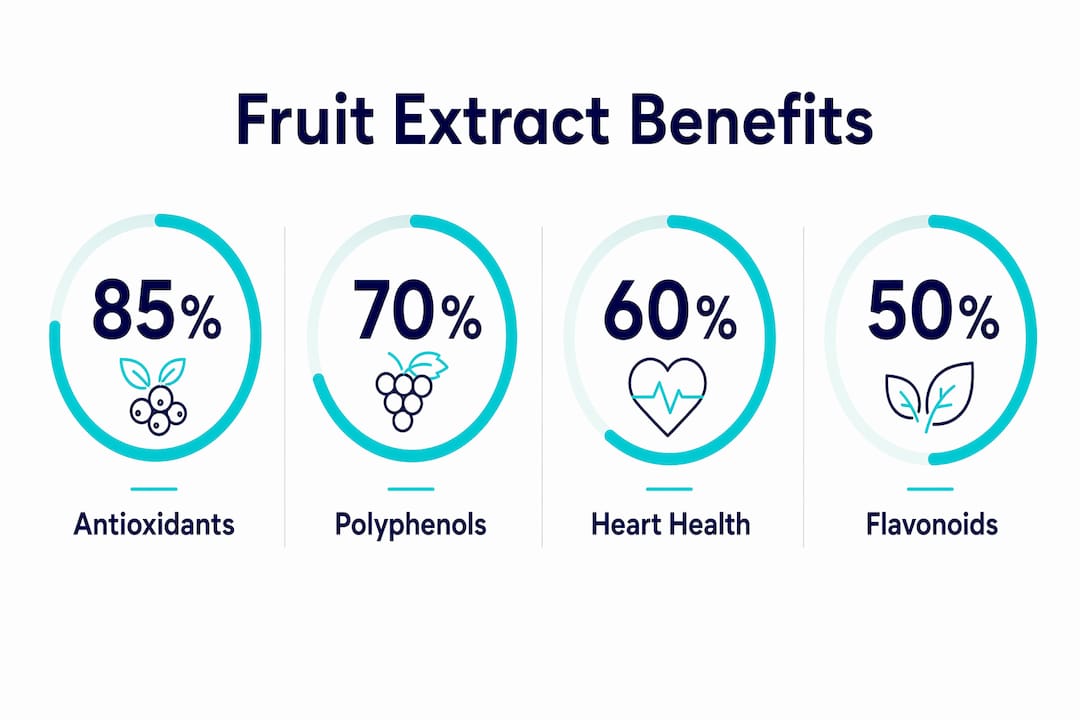
Harvard Health reports that Eating diverse fruits daily boosts antioxidant activity, with berries notable for their anthocyanins and ellagic acid, both linked to lower risks of heart disease and diabetes. A study found that apple and pear consumption was associated with a lower risk of death from heart disease. Extracts concentrate exactly these compounds, which means a well-formulated beverage can deliver meaningful doses without requiring you to eat a bowl of berries at every sitting.
The vascular evidence is also worth noting. Randomised controlled trials on moderate fruit juice consumption (75–224 mL daily) showed a 2.1% improvement in flow-mediated dilation and a systolic blood pressure reduction of 3.14 mmHg. Extracts, which concentrate the relevant bioactives without the sugar volume of full juice, are positioned to deliver similar or stronger effects at lower volumes.
Key bioactive compounds found in fruit extracts and their primary sources:
- Anthocyanins: blueberries, blackberries, cherries, pomegranates
- Ellagic acid: strawberries, raspberries, pomegranates
- Flavonoids and carotenoids: citrus fruits (oranges, grapefruit, lemons)
- Resveratrol: grapes, cranberries
- Xanthones: mangosteen peel and rind (non-flesh parts with uniquely high polyphenol density)
- Vitamin C and potassium: stone fruits, citrus, pomegranates
- Pectin and polyphenols: apples and pears
Citrus extracts, for instance, deliver flavonoids and carotenoids associated with heart-protective effects. Pomegranate extracts carry anthocyanins and resveratrol alongside vitamins C and K. Non-flesh fruit parts such as peels and leaves concentrate xanthones and polyphenols that deliver functional benefits unavailable in standard pulp or juice, which is why premium beverage brands increasingly source from those parts of the fruit.
One safety note worth keeping in mind: fruit extracts are generally well tolerated, but people with known fruit allergies should check which fruit the extract is derived from. Cross-reactivity between related fruits (for example, stone fruits or citrus) is possible, and formulators working in the Canadian market should follow Health Canada’s allergen labelling requirements accordingly.
How fruit extracts solve real problems in beverage formulation
For a beverage formulator, the appeal of natural fruit extracts goes beyond health claims. The practical advantages are what drive adoption in RTD product development.
Extracts offer greater stability and consistency compared to juice, reducing the variability that comes with crop harvest fluctuations. Fresh juice changes from season to season and batch to batch. An extract, calibrated during production, delivers a predictable flavour and bioactive profile every time. Extraction also removes volatile terpenes and waxes that cause off-notes and accelerate degradation over a product’s shelf life.

The choice of extraction solvent shapes the final product significantly. Water-based extractions tend to capture polar compounds like vitamin C and certain polyphenols. Ethanol extractions pull a broader range of phenolics and aromatic compounds. Oil-based extractions are suited to fat-soluble bioactives like carotenoids. Formulators can adjust solvent type, temperature, and extraction intensity to hit specific targets for potency, heat tolerance, or flavour character.
Formulation advantages that extracts provide over juice or concentrate:
- Bitterness masking: isolating beneficial compounds from astringent fruits (chokeberry, cranberry, pomegranate) without the flavour barrier that limits consumer acceptance
- Shelf life extension: removal of oxidation-prone volatile compounds reduces degradation during storage and distribution
- Reduced sugar load: extracts contribute bioactives without the free-sugar content of equivalent juice volumes
- Regulatory flexibility: classified as flavourings under frameworks like the EU’s fruit juice directive, extracts avoid juice-specific sugar labelling requirements while still supporting natural ingredient claims
- Targeted bioactive delivery: high-potency antioxidant support without the volatility of fresh juice, enabling refined and consistent beverage profiles
On the regulatory side, Canadian formulators should note that Health Canada’s Food and Drug Regulations distinguish between juice and flavouring preparations. An extract classified as a flavouring does not trigger the same nutritional labelling obligations as a juice, but it also cannot carry juice-like nutritional claims if the fruit character has been substantially altered during extraction. Getting that classification right at the formulation stage saves significant compliance headaches later.
Pro Tip: When sourcing extracts for RTD products, ask your supplier for a certificate of analysis that specifies polyphenol content and solvent residue levels. That documentation supports both your health claims and your compliance file.
Why natural fruit extracts make drinks taste better
Flavour is where extracts often surprise people. The assumption is that removing the whole fruit means losing complexity. The opposite tends to be true.
Extraction concentrates aroma compounds while stripping out the elements that muddy a flavour profile. Volatile terpenes, waxes, and oxidised lipids are the usual culprits behind the flat, slightly off taste in shelf-stable juice drinks. An extract built for flavour precision removes those while retaining the esters, aldehydes, and phenolic compounds that give a fruit its character. The result is a cleaner, more vivid fruit note in the finished beverage.

Consumer preference research consistently shows that natural, clean-label flavours drive purchase decisions in the functional beverage category. Extracts support that positioning because they appear on ingredient lists as recognisable fruit-derived ingredients rather than synthetic flavour codes. For health-conscious Canadian consumers who read labels, that transparency carries real weight.
Sensory advantages of fruit extracts in beverage formulation:
- Flavour concentration: a small volume of extract delivers a more vivid fruit note than an equivalent volume of juice
- Mouthfeel contribution: certain polyphenol-rich extracts add a subtle astringency that rounds out sweetness and prevents a cloying finish
- Blend versatility: extracts from under-utilised fruits (chokeberry, sea buckthorn, mangosteen) can be blended with more familiar flavours to introduce complexity without alienating consumers
- Sweetness balance: the bitterness-masking capacity of some extracts reduces the need for added sweeteners, supporting lower-sugar formulations
- Aroma stability: concentrated aromatic compounds in extracts hold up better through pasteurisation and extended shelf storage than fresh juice aromas
The ability to work with challenging fruits is particularly valuable. Chokeberry, for example, has a polyphenol profile that rivals blueberry, but its raw astringency makes it nearly undrinkable as a straight juice. An extract isolates the beneficial compounds and allows formulators to blend it into a palatable product. The same logic applies to pomegranate rind, citrus pith, and other high-bioactive, low-palatability fruit parts. You can learn more about how natural ingredients shape drink quality in functional beverage contexts.
What recent research on fermented fruit extracts reveals
Fermentation adds a layer of complexity to fruit extracts that plain extraction cannot replicate. When lactic acid bacteria or yeast act on fruit material, they do not just preserve it. They transform it.
Microbial fermentation produces alcohols, esters, and ketones that create layered aromatic profiles. A fermented pomegranate extract, for instance, develops flavour notes that a cold-pressed pomegranate extract simply does not have. Research on fermented fruit drinks shows that this microbial action also increases polyphenol bioavailability, meaning the body absorbs a greater proportion of the beneficial compounds present. Fermented cranberry and chokeberry extracts have shown particular promise in studies examining their effects on inflammation and oxidative stress.
The health implications extend beyond antioxidant activity. Studies on fermented fruit extracts have identified potential anti-obesity, anti-diabetic, and anti-cancer bioactivities, with fermented pomegranate and cranberry extracts showing effects on inflammatory markers and oxidative stress pathways. These findings are still emerging, and most of the strongest evidence comes from in vitro and animal studies, but the direction of the research is consistent enough that formulators are already incorporating fermented extracts into functional beverage lines.
Key findings from recent fermentation research (2021–2026):
- Polyphenol bioavailability increases after microbial fermentation, making the same extract more effective at a lower dose
- Complex aroma development through ester and ketone production gives fermented extracts a sensory depth that appeals to sophisticated consumers
- Anti-inflammatory modulation observed in fermented pomegranate and cranberry extract studies
- Anti-diabetic potential linked to changes in polyphenol structure during fermentation that improve glucose metabolism markers
- Consumer acceptance improves when fermented extracts are used, because the richer sensory profile makes functional drinks more enjoyable to drink regularly
The role of antioxidants in beverages is well documented, and fermented extracts push that further by improving how much of those antioxidants actually reach circulation. For a deeper look at antioxidant delivery in drinks, the mechanisms behind polyphenol absorption are worth understanding before you choose an extract supplier.
Sustainable sourcing is a growing consideration alongside the science. Extracts derived from fruit processing by-products, such as pomegranate rind, citrus peel, or grape pomace, reduce agricultural waste while delivering some of the highest polyphenol concentrations available. For Canadian brands building an environmental story alongside a health story, that sourcing angle is increasingly relevant to consumers and retail buyers alike. Packaging choices matter too: sustainable cold cup formats are one area where RTD brands are aligning their environmental commitments with their functional beverage positioning.
Drinksolidviibe brings natural fruit extracts to your sparkling can
Natural fruit extracts deliver real health benefits, better flavour stability, and cleaner formulations. Drinksolidviibe is built on exactly that premise.

Where most sparkling beverages lean on artificial flavours or high-sugar juice concentrates, Drinksolidviibe uses natural ingredients and functional flavour combinations to give you something genuinely different. The Lemon-Ginger sparkling beverage pairs the anti-inflammatory properties of ginger with bright citrus notes, while the Passionfruit option brings tropical fruit bioactives into a low-sugar, refreshing format. Both are formulated for people who want the functional benefits of fruit extracts without the sugar spike of a conventional soda or juice drink.
If you want to try the full range, the Solidviibe Sparkling Variety Pack gives you Lemon-Ginger, Peach, and Passionfruit across 12 cans. It is the most direct way to see how natural fruit extract formulation translates into something you actually want to drink every day.
Key takeaways
Natural fruit extracts deliver concentrated plant bioactives, stable flavour profiles, and formulation advantages that whole juice and concentrates cannot match, making them the defining ingredient in premium functional beverages.
| Point | Details |
|---|---|
| Bioactive concentration | Extracts isolate polyphenols, flavonoids, and anthocyanins from fruit flesh, peels, and seeds at levels unavailable in standard juice. |
| Vascular health evidence | Randomised controlled trials showed a 2.1% improvement in flow-mediated dilation and a 3.14 mmHg systolic blood pressure reduction with moderate fruit juice consumption (75–224 mL daily). |
| Formulation stability | Extraction removes volatile terpenes and waxes that cause off-notes, giving RTD beverages a longer, more consistent shelf life than juice-based formulations. |
| Fermentation advantage | Microbial fermentation increases polyphenol bioavailability and develops complex aroma compounds, producing extracts with greater health potency and sensory depth. |
| Drinksolidviibe | Uses natural fruit extracts in functional sparkling beverages like Lemon-Ginger and Passionfruit, delivering health-focused formulations without added sugars or artificial flavours. |


