
Sparkling water health benefits explained for 2026

Sparkling water is defined as still water infused with carbon dioxide gas under pressure, producing carbonation without added sugar, calories, or artificial ingredients. The sparkling water health benefits explained by recent clinical research centre on one core mechanism: replacing sugary drinks with a zero-calorie, hydrating alternative. A typical soda contains nearly 40 grams of added sugar per 12-ounce serving. Swapping that daily can for sparkling water reduces sugar intake and associates with a 2%–10% lower risk of type 2 diabetes when paired with healthy lifestyle changes. Drinksolidviibe builds on this foundation with functional flavours like lemon-ginger and passionfruit, offering a guilt-free way to stay hydrated without sacrificing taste.
Does sparkling water hydrate you as well as still water?
Sparkling water hydrates the body as effectively as still water. Clinical hydration research confirms that carbonated water maintains fluid balance comparable to its flat counterpart. The bubbles do not interfere with absorption or kidney function. This matters because many people assume carbonation somehow “cancels out” the hydrating effect. It does not.

The real advantage of carbonation is sensory. Effervescence encourages greater water intake for people who find plain water unappealing. That fizz creates a satisfying mouthfeel that makes drinking more enjoyable. For anyone struggling to hit their daily fluid target, switching to sparkling water is a practical fix, not a compromise.
Hydration supports metabolism, digestion, skin health, and cognitive function. When people drink more water simply because they prefer the texture, those downstream benefits follow naturally. Sparkling water earns its place not because carbonation is magic, but because it removes the barrier that keeps many people underhydrated.
- Sparkling water counts toward your daily fluid intake the same way still water does.
- Carbonation does not reduce absorption or cause dehydration.
- The sensory appeal of bubbles increases voluntary consumption for those who dislike plain water.
- Flavoured sparkling waters with no added sugar offer variety without compromising hydration goals.
Pro Tip: Chill your sparkling water before drinking. Cold carbonation feels more intense, which makes the experience more satisfying and encourages you to drink more throughout the day.
Can sparkling water help with weight loss and blood sugar?
Carbonation alone has minimal metabolic effect. The weight management benefits of sparkling water come entirely from what it replaces, not from any fat-burning property of the bubbles themselves. This distinction matters because a lot of marketing language implies otherwise.
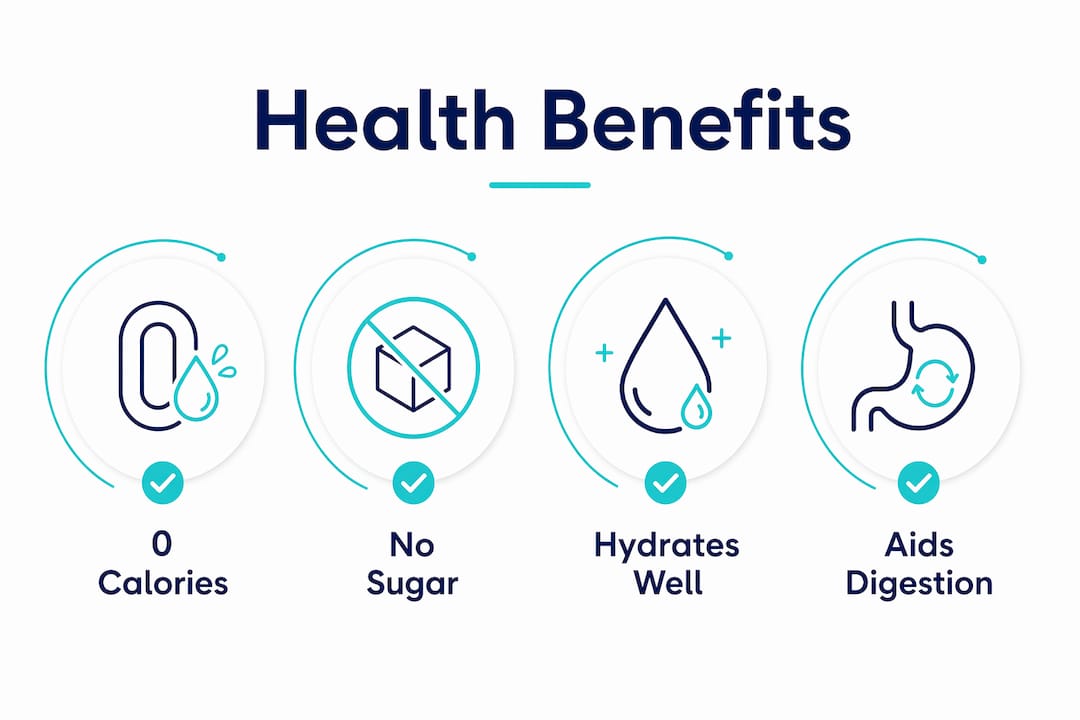
When you replace a daily soda with sparkling water, you eliminate a significant source of added sugar and empty calories. Long-term blood sugar improvements linked to sparkling water come mainly from cutting high-sugar sodas, not from carbonation effects alone. Diet and exercise remain the primary drivers of metabolic health. Sparkling water is a tool that makes those changes easier to sustain.
Carbonation does create a mild feeling of fullness. Some people report reduced snacking frequency after drinking sparkling water before meals. This effect is modest and individual, but it adds up over time when combined with consistent calorie reduction from dropping sugary drinks.
The table below shows how sparkling water compares to common beverages on sugar and calorie content.
| Beverage (12 oz / 355 mL) | Approximate sugar (g) | Approximate calories |
|---|---|---|
| Regular cola | 39 | 140 |
| Fruit juice (apple) | 36 | 165 |
| Sports drink | 21 | 90 |
| Flavoured sparkling water (no sugar) | 0 | 0 |
| Plain sparkling water | 0 | 0 |
The gap between a regular cola and sparkling water is roughly 39 grams of sugar per serving. Across a week, that reduction is substantial.
Pro Tip: Drink a glass of plain or lightly flavoured sparkling water 15 minutes before a meal. The mild fullness from carbonation can reduce portion size without any calorie counting.
What are the digestion benefits of sparkling water?
Sparkling water can improve swallowing function by stimulating oral sensory pathways. Clinical studies show that carbonated water enhances the swallowing reflex, which benefits people who experience difficulty swallowing. This is one of the less-discussed but well-documented effects of carbonation.
Hydration itself relieves mild constipation, and sparkling water contributes to that fluid intake. For people who drink more water because of the fizz, the digestive benefits of staying hydrated follow directly. A 12-week randomised trial found that daily carbonated water intake reduced liver enzymes AST by 4.05 U/L and ALT by 9.47 U/L in healthy adults. Those are meaningful markers of reduced metabolic stress on the liver.
That said, sparkling water is not universally gentle on the digestive system. The same carbonation that aids swallowing can cause bloating and gas in some people. Individuals with irritable bowel syndrome or gastroesophageal reflux disease may find that carbonation worsens symptoms including gas and reflux. Rapid or excessive intake amplifies these effects.
Practical steps to manage digestive comfort:
- Drink sparkling water slowly rather than in large gulps.
- Avoid drinking it immediately before or during intense physical activity.
- If you have IBS or GERD, start with small amounts and monitor your response.
- Choose plain or lightly flavoured options over heavily carbonated varieties.
- Pair sparkling water with food rather than drinking it on an empty stomach if bloating is a concern.
How to choose sparkling water that actually benefits your health
Not all sparkling waters deliver the same health value. Flavoured sparkling waters can contain added sugars, artificial sweeteners, or high sodium levels that cancel out the benefits of choosing a sugar-free drink. Reading the nutrition label is non-negotiable.
What to look for on the label
Check for zero grams of added sugar. Confirm that sweeteners like sucralose, acesulfame potassium, or aspartame are absent if you want a clean ingredient profile. Sodium content above 100 mg per serving is worth noting, particularly for people managing blood pressure. Natural flavour listings without added sugar are generally a safe choice.
Protecting your teeth
Sparkling water is mildly acidic due to carbonic acid formed during carbonation. Using a straw reduces enamel contact with that acid, lowering the risk of tooth erosion over time. This is a simple habit that makes a real difference for daily sparkling water drinkers.
Making it more enjoyable without adding sugar
- Add fresh fruit slices like lemon, lime, cucumber, or berries for natural flavour.
- Use sparkling water as a base for alcohol-free mocktails with fresh herbs and citrus.
- Freeze sparkling water with fruit into ice cubes and add them to still water for a gradual flavour release.
- Rotate between flavours to avoid taste fatigue and maintain consistent intake.
Pro Tip: Buy sparkling water in cans rather than large bottles. Cans stay carbonated until opened, so every serving is as fizzy as the first. Flat sparkling water loses much of its sensory appeal.
Drinksolidviibe applies these principles directly. Their lemon-ginger sparkling beverage contains zero calories and no added sugars, using functional natural ingredients to deliver flavour without compromise. Their passionfruit variety follows the same formula, making label-reading straightforward for health-conscious shoppers.
Key takeaways
Sparkling water supports health primarily by replacing sugary drinks, not through any metabolic effect of carbonation itself.
| Point | Details |
|---|---|
| Hydration is equal | Sparkling water hydrates as effectively as still water; carbonation does not reduce fluid absorption. |
| Sugar reduction drives results | Replacing soda with sparkling water cuts up to 39 grams of sugar per serving and lowers diabetes risk. |
| Digestion benefits are real but nuanced | Carbonation aids swallowing and may ease constipation, but can worsen bloating in sensitive individuals. |
| Label reading is non-negotiable | Flavoured sparkling waters may contain hidden sugars or sweeteners that cancel health benefits. |
| Dental protection is simple | Drinking through a straw minimises acid contact with tooth enamel during daily sparkling water consumption. |
Why I think most people misread sparkling water’s benefits
People come to sparkling water expecting it to do something metabolically special. They read about carbonation and imagine some active process burning fat or detoxifying the liver. That expectation sets them up for disappointment, or worse, for choosing products that undermine their goals.
The honest picture is simpler and more useful. Sparkling water works because it is a credible substitute for drinks that actively harm you. A daily soda habit is not just a calorie problem. It is a blood sugar problem, a liver stress problem, and a habit problem. Sparkling water solves all three by being enjoyable enough to drink consistently without any of those costs.
What I have found is that the people who benefit most are not the ones treating sparkling water as a health supplement. They are the ones who genuinely enjoy it and reach for it instead of a soda without thinking twice. That behavioural shift is where the real health gain lives.
My one caution is digestive tolerance. I have spoken with people who pushed through bloating and discomfort because they believed sparkling water was “good for them.” If carbonation causes consistent discomfort, reduce the amount or switch to still water. No beverage is worth daily digestive distress. Start slow, pay attention to your body, and adjust accordingly.
For those who want flavour, function, and clean ingredients in one place, Drinksolidviibe is worth trying. Their products are built around the principle that a healthy drink should taste good enough to replace the unhealthy one permanently, not just temporarily.
— Sharon
Drinksolidviibe: sparkling water that works as hard as you do
Choosing the right sparkling water is half the battle. Drinksolidviibe makes the other half easy.
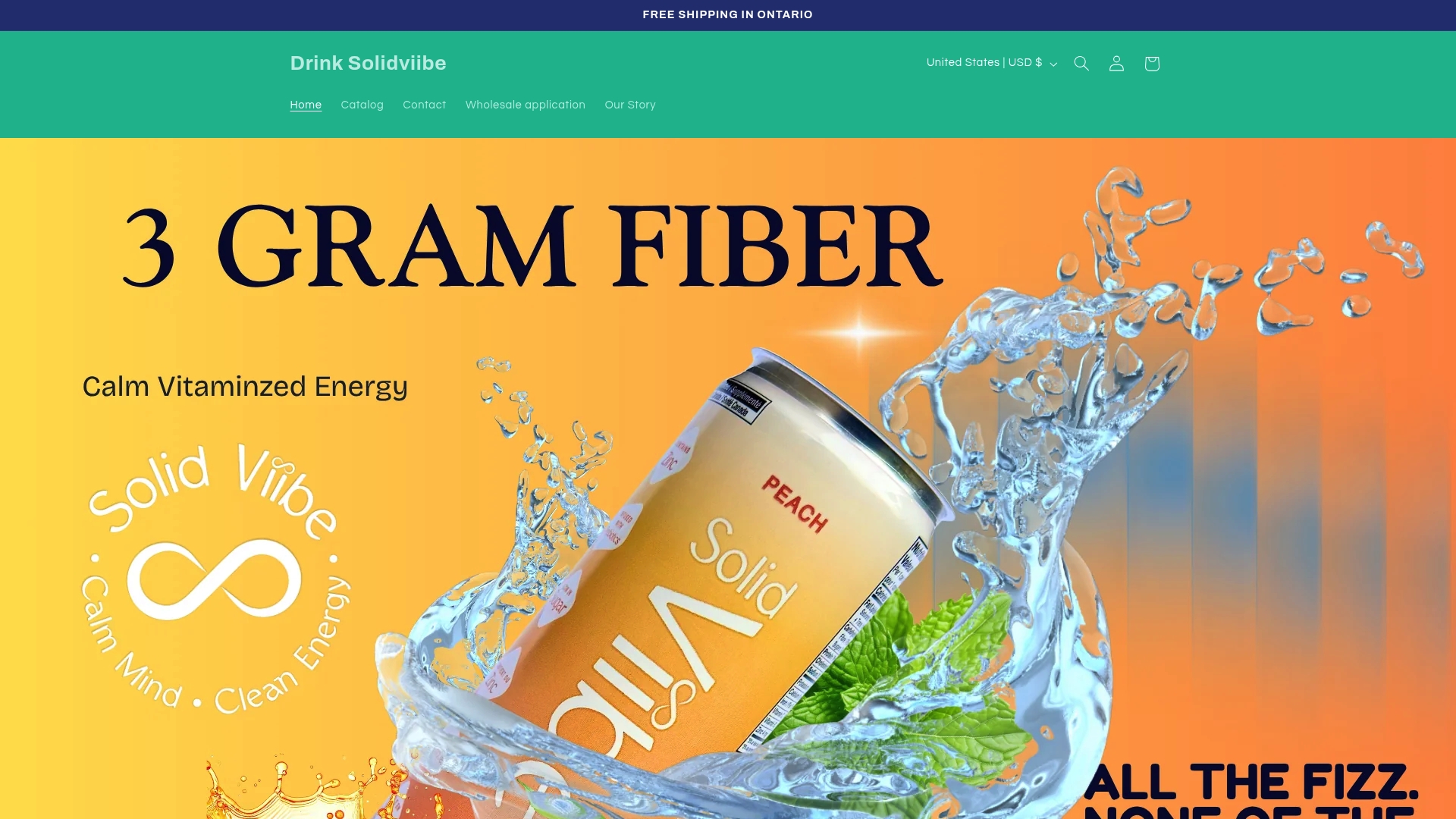
Their variety pack of 12 cans includes lemon-ginger, peach, and passionfruit flavours, all with zero calories and no added sugars. Each can uses functional natural ingredients that support hydration without hidden sweeteners or sodium surprises. If you are cutting sugary drinks and want something you will actually look forward to, this is a practical starting point. The label is clean, the flavours are genuine, and the format fits any routine.
FAQ
Does sparkling water hydrate you the same as still water?
Yes. Sparkling water hydrates as effectively as still water, with research confirming that carbonation does not reduce fluid absorption or disrupt the body’s fluid balance.
Is sparkling water good for weight loss?
Sparkling water supports weight loss only as a zero-calorie replacement for sugary drinks. Carbonation has minimal metabolic effect on its own; the benefit comes from eliminating sugar and calories from your daily intake.
Can sparkling water cause digestive problems?
Sparkling water can cause bloating and gas, particularly in people with IBS or GERD. Drinking it slowly and in moderate amounts reduces the likelihood of discomfort.
What is the nutritional value of sparkling water?
Plain sparkling water contains zero calories, zero sugar, and zero fat. Its nutritional value lies in its contribution to daily fluid intake rather than in vitamins or minerals.
Are flavoured sparkling waters as healthy as plain sparkling water?
Not always. Some flavoured sparkling waters contain added sugars, artificial sweeteners, or high sodium levels. Always check the nutrition label before assuming a flavoured option is sugar-free.
Recommended
- Solidviibe Lemon Ginger — Functional Sparkling Beverage – Drink Solidviibe
- Solidviibe Sparkling Beverage Variety Pack - 12 Cans (Lemon-Ginger, Pe – Drink Solidviibe
- Solidviibe Peach — Functional Sparkling Beverage – Drink Solidviibe
- Solidviibe Passionfruit — Functional Sparkling Beverage – Drink Solidviibe


