
What are empty calorie beverages: a 2026 guide

Empty calorie beverages are drinks that deliver energy almost entirely from added sugars or unhealthy fats while providing little to no vitamins, minerals, fibre, or protein. The term “empty calories” comes from nutrition science, where it describes energy that fills your daily quota without nourishing your body. Understanding what are empty calories beverages is the first step toward making smarter choices about what you drink every day. The CDC reports that about 30% of Americans aged 2 and older consume over 15% of their daily calories from added sugars. That figure signals a widespread problem hiding in plain sight, often in a glass.
What types of beverages are considered empty calorie drinks?
Empty calorie drinks span a wider range than most people expect. Regular sodas are the most obvious example, but the category also includes fruit-flavoured drinks with added sugars, sports drinks, sweetened iced teas, flavoured coffees, and alcoholic beverages. Each of these delivers calories with little nutritional return.
A single 12oz soda typically contains over 10 teaspoons of added sugar, roughly 150 calories with zero nutritional benefit. Cutting two sodas per day reduces weekly caloric intake by 2,100 calories. That is a meaningful number for anyone managing their weight or blood sugar.
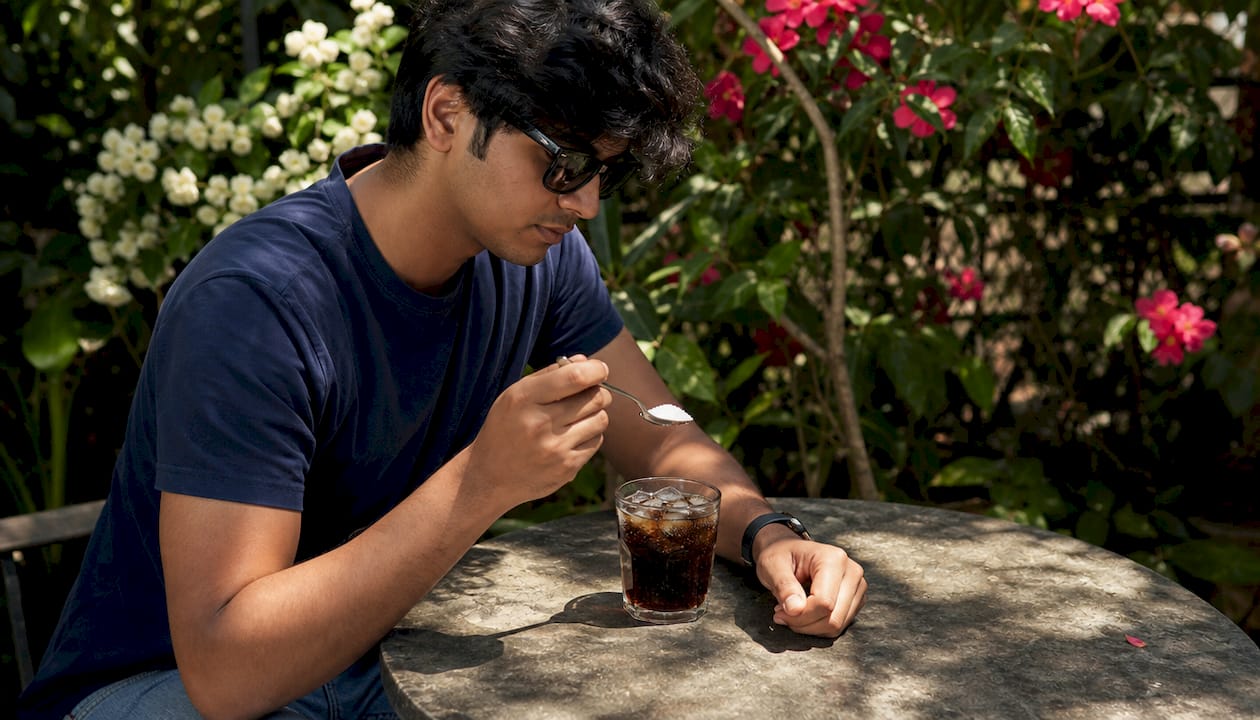
The most extreme examples come from specialty drinks. Some customisable “dirty sodas” sold at popular chains can contain 186 grams of sugar per 32oz serving. That is the sugar equivalent of 19 donuts in a single cup. These drinks are marketed as refreshing treats, but their caloric content rivals a full meal.
Pro Tip: When ordering a flavoured drink at a café or chain, ask for the sugar content before you order. Many staff can pull up nutritional information on request, and the numbers are often surprising.
The table below shows how common empty calorie drinks compare to lower-sugar alternatives:
| Beverage | Serving size | Approximate sugar | Approximate calories |
|---|---|---|---|
| Regular cola | 355mL (12oz) | 39g | 150 |
| Fruit punch drink | 355mL (12oz) | 38g | 140 |
| Sports drink | 591mL (20oz) | 34g | 130 |
| Sweetened iced tea | 355mL (12oz) | 32g | 120 |
| Specialty dirty soda | 946mL (32oz) | 186g | 700+ |
| Unsweetened sparkling water | 355mL (12oz) | 0g | 0 |
| Unsweetened green tea | 355mL (12oz) | 0g | 0 |
| Functional sparkling beverage | 355mL (12oz) | 2–5g | 10–25 |
Alcoholic beverages also qualify as empty calorie drinks. Beer, wine, and spirits provide calories from alcohol itself, which the body processes before fat or carbohydrates. A standard beer adds roughly 150 calories with no fibre, protein, or micronutrients. Mixed drinks with juice or syrups push that number considerably higher.
How do empty calorie beverages affect your body and health?
The physiological impact of high sugar beverages goes well beyond weight gain. Liquid sugars absorb faster than sugars in solid food, causing rapid blood sugar spikes and placing stress on insulin production. Liquid calories bypass satiety signals because they move quickly through the stomach, failing to release the hormones that tell your brain you are full.
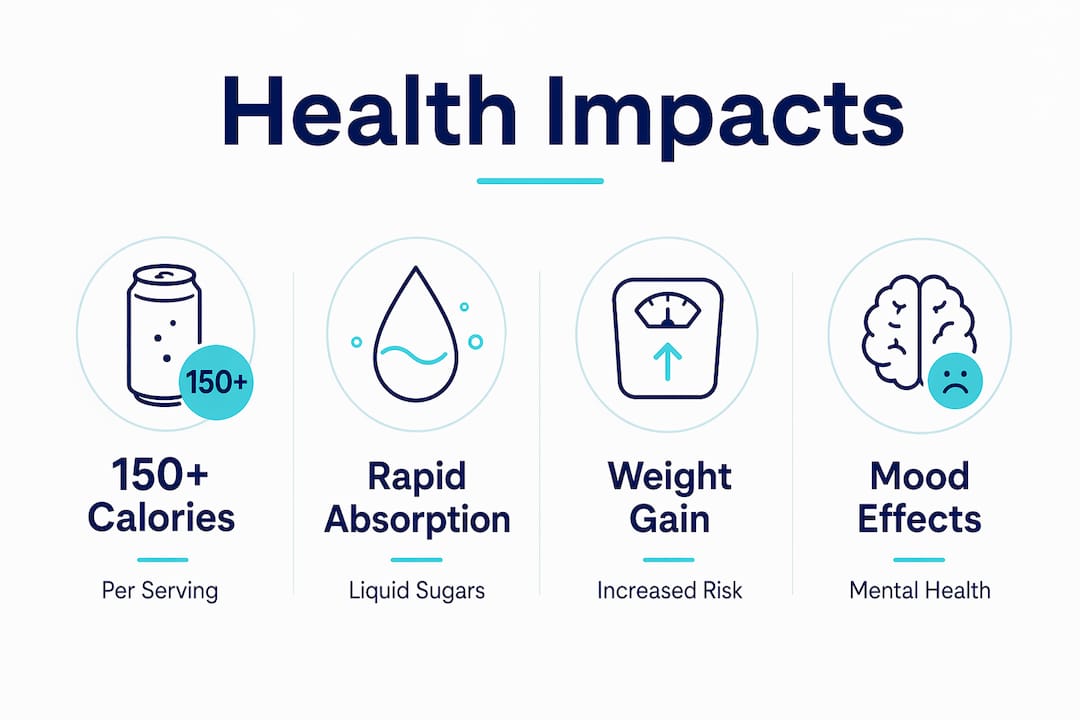
This is the core problem with drinking your calories. You consume them, but your body does not register them the way it registers food. The result is continued hunger and higher total calorie consumption across the day.
The long-term risks are well documented:
- Type 2 diabetes: Sugar-sweetened beverages are linked to a 13–30% increased risk of type 2 diabetes per daily serving consumed.
- Weight gain: Liquid sugars do not prompt the compensatory reduction in food intake that solid sugars do, driving consistent overeating.
- Mental health: High intake of sugar-sweetened beverages in adolescents is linked to a 62% greater increase in depressive symptoms over four years compared to low intake.
- Cardiovascular risk: Chronic high sugar intake raises triglycerides and contributes to metabolic syndrome.
- Insulin resistance: Excessive free sugars intake, especially from beverages consumed frequently, leads to cumulative metabolic stress and insulin resistance over time.
“Health advocates emphasise ‘eat your calories, not drink them’ because liquid calories do not promote fullness and can cause weight gain in ways that solid food does not. The speed of absorption is the key factor: your stomach empties liquid faster than solid food, so the satiety hormones never get the signal to fire.”
The mental health connection is one that catches most people off guard. Many reach for a sugary drink when they feel low on energy or mood. The short-term sugar rush is real, but the crash that follows reinforces the cycle. Reducing sugary drink intake by 30% or more has been shown to improve physical, emotional, and sleep health outcomes.
Pro Tip: Check ingredient lists for high-fructose corn syrup, glucose-fructose, cane syrup, and fruit juice concentrate. These are all added sugars under different names, and they all count toward your daily sugar load.
How to distinguish empty calorie beverages from healthier drink options?
Reading a Nutrition Facts label is the most reliable way to identify unhealthy beverage choices. The “Added Sugars” line, introduced in updated Canadian and American nutrition labelling guidelines, tells you exactly how much sugar was put into the product beyond what occurs naturally. Anything above 5–10g of added sugar per serving warrants a closer look.
Ingredients to watch for include high-fructose corn syrup, glucose-fructose, cane sugar, fruit juice concentrate, flavoured syrups, and cream-based additives. These ingredients signal that a drink is likely high in empty calories regardless of how it is marketed. A drink labelled “natural” or “made with real fruit” can still carry a heavy sugar load.
Healthier alternatives fall into a few clear categories:
- Water and infused water: Zero calories, zero sugar, and the most effective hydration option available.
- Unsweetened tea: Green, black, and herbal teas offer antioxidants with no added sugar.
- Sparkling water: Plain or lightly flavoured with no added sugars. Sparkling water benefits include hydration with the satisfying fizz that makes sodas appealing.
- Functional sparkling beverages: Products made with natural ingredients and functional flavours like lemon-ginger or passionfruit that provide refreshment without the sugar spike.
The table below compares the caloric content of drinks across categories:
| Beverage | Added sugar | Calories per 355mL | Nutritional value |
|---|---|---|---|
| Regular soda | 39g | 150 | None |
| Fruit punch drink | 38g | 140 | Minimal |
| Sports drink | 34g | 130 | Electrolytes only |
| Unsweetened tea | 0g | 0–5 | Antioxidants |
| Plain sparkling water | 0g | 0 | Hydration |
| Functional sparkling beverage | 2–5g | 10–25 | Natural ingredients |
Pro Tip: Swap one sugary drink per day for sparkling water or an unsweetened tea. After two weeks, most people report that their craving for sweetness in drinks decreases noticeably. Gradual reduction works better than cutting everything at once.
Understanding why natural ingredients matter in your drinks helps you move past marketing language and focus on what is actually in the bottle.
What practical steps can you take to reduce empty calorie beverage intake?
Reducing your intake of empty calorie drinks does not require a dramatic overhaul of your diet. Small, consistent changes produce lasting results.
- Replace one drink at a time. Swap your afternoon soda for sparkling water or unsweetened iced tea. Once that feels normal, replace another.
- Keep water visible and accessible. People drink more water when it is in front of them. A reusable bottle on your desk or counter makes a measurable difference.
- Read labels before you buy. Check the added sugars line on every beverage you purchase. Set a personal limit, such as no more than 10g of added sugar per drink.
- Track your intake. Food diary apps like Cronometer or MyFitnessPal allow you to log beverages and see your daily sugar total in real time.
- Plan for social settings. Restaurants and social events are where most people slip back into sugary drink habits. Decide in advance what you will order.
Common pitfalls to avoid:
- Assuming “fruit juice” is healthy. Even 100% fruit juice is high in natural sugars and low in fibre compared to whole fruit.
- Treating sports drinks as everyday beverages. They are formulated for prolonged physical activity, not casual hydration.
- Overlooking coffee drinks. A large flavoured latte with syrup can contain as much sugar as a can of soda.
- Relying on diet sodas as a long-term fix. Artificial sweeteners may maintain sweet cravings and do not address the underlying habit.
Replacing sugary drinks with water or unsweetened alternatives reduces total calorie intake and improves health markers over time. The benefits show up in energy levels, mood stability, and weight management within weeks of consistent change.
Key takeaways
Empty calorie beverages are the single largest source of added sugars in most diets, and replacing them is one of the highest-impact changes you can make for your health.
| Point | Details |
|---|---|
| Definition of empty calories | Drinks high in added sugars or unhealthy fats but low in vitamins, minerals, and fibre. |
| Biggest offenders | Regular sodas, specialty dirty sodas, fruit drinks, sports drinks, and alcoholic beverages. |
| Core health risk | Liquid sugars bypass satiety hormones, driving overeating and raising diabetes risk by 13–30% per daily serving. |
| Label reading | Check the “Added Sugars” line and watch for high-fructose corn syrup, glucose-fructose, and flavoured syrups. |
| Best swap strategy | Replace one sugary drink per day with water, unsweetened tea, or a functional sparkling beverage. |
What I have learned from watching people change their drink habits
People consistently underestimate how much of their daily sugar comes from what they drink rather than what they eat. I have seen this pattern repeatedly. Someone cleans up their meals, cuts back on desserts, and still wonders why their energy crashes mid-afternoon. Nine times out of ten, the answer is in their glass.
The most common misconception I encounter is that fruit juice is a safe alternative to soda. It is not. A glass of apple juice and a can of cola contain similar amounts of sugar. The juice simply carries a health halo that the cola does not. Once people understand that, their label-reading habits change fast.
What I find genuinely encouraging is how quickly the body responds when you cut back on high sugar beverages. Most people notice improved energy and fewer afternoon slumps within two weeks. That feedback loop is powerful. You do not need to be perfect. You need to be consistent enough to feel the difference.
The other thing worth saying plainly: beverage companies spend enormous resources making their products feel like a reward or a comfort. That is not an accident. Recognising that marketing pressure is part of the equation helps you make choices that are actually yours, not ones that were made for you.
— Sharon
A better drink for people cutting back on sugar
If you are ready to move away from high sugar beverages without giving up the satisfaction of a cold, fizzy drink, Drinksolidviibe offers a real alternative.
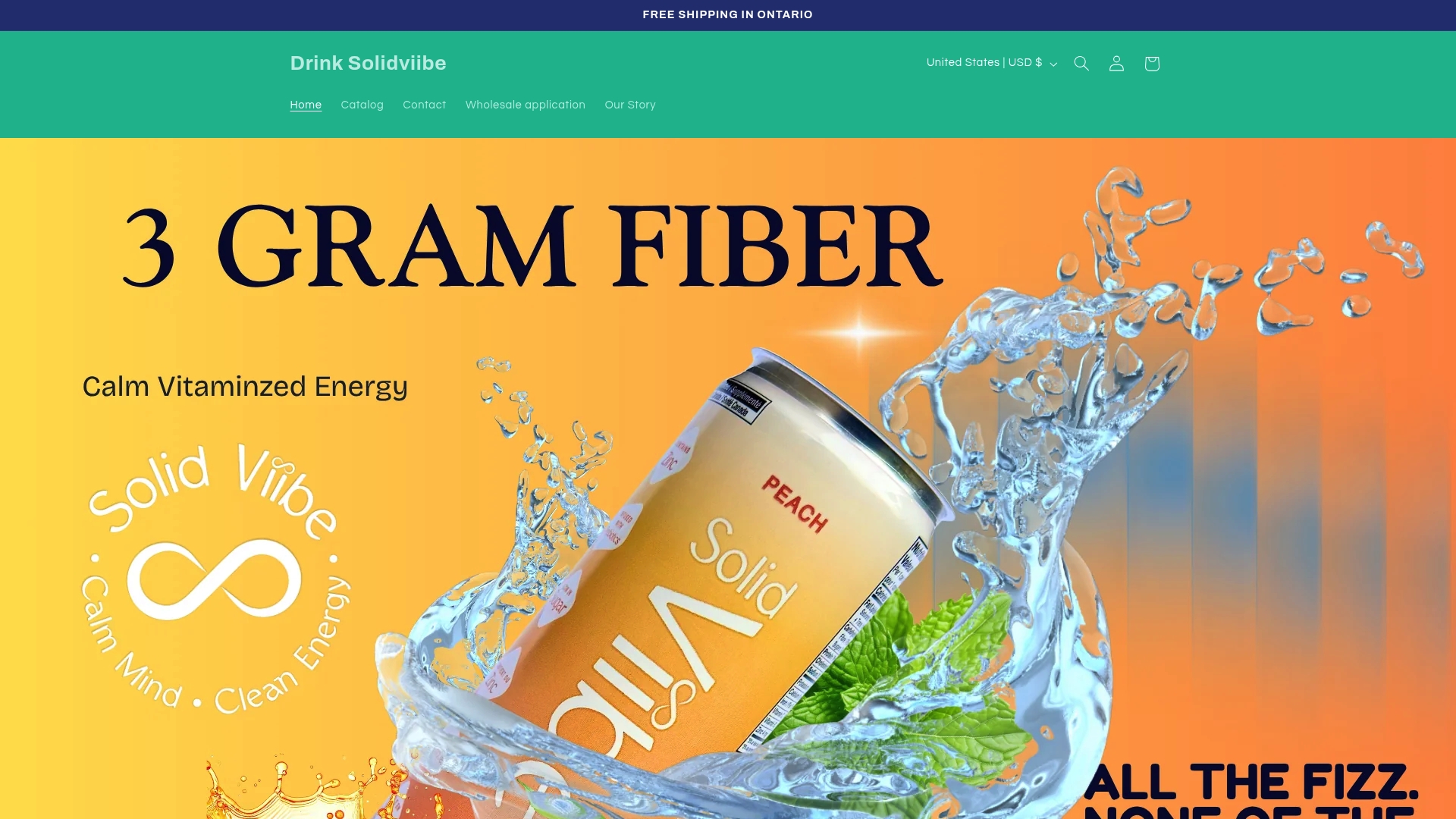
The Solidviibe Sparkling Beverage Variety Pack includes lemon-ginger, peach, and passionfruit flavours, all made with natural ingredients and minimal added sugar. These are functional sparkling beverages designed for people who want refreshment and a cleaner ingredient list. Drinksolidviibe products fit naturally into a health-conscious routine, whether you are replacing your afternoon soda, hydrating after a workout, or simply looking for something that tastes good without the sugar load. Customers consistently rate them highly for flavour and for being a genuinely satisfying swap.
FAQ
What are empty calories in beverages?
Empty calories in beverages are calories that come from added sugars or unhealthy fats with no accompanying vitamins, minerals, fibre, or protein. Regular sodas, fruit drinks, and alcoholic beverages are the most common sources.
Which drinks have the most empty calories?
Specialty drinks like dirty sodas can contain up to 186 grams of sugar per 32oz serving, making them the highest-calorie offenders. Regular sodas, sweetened fruit drinks, and flavoured coffees also rank among the worst choices.
Are energy drinks considered empty calorie beverages?
Most energy drinks qualify as empty calorie drinks because they are high in added sugars and provide no meaningful nutritional value beyond caffeine. Some contain as much sugar per serving as a regular soda.
Do empty calorie beverages cause weight gain?
Liquid calories bypass satiety hormones, so your body does not register them the way it registers food calories. This leads to higher total calorie consumption across the day and contributes directly to weight gain over time.
What is the best drink to replace sugary beverages?
Water is the most effective replacement, followed by unsweetened tea and functional sparkling beverages made with natural ingredients. These options provide hydration and flavour without the added sugar load that drives empty calorie consumption.


